
U.S. Attorney for Southern Florida Resigns Amid Post-Midterm DOJ Exodus
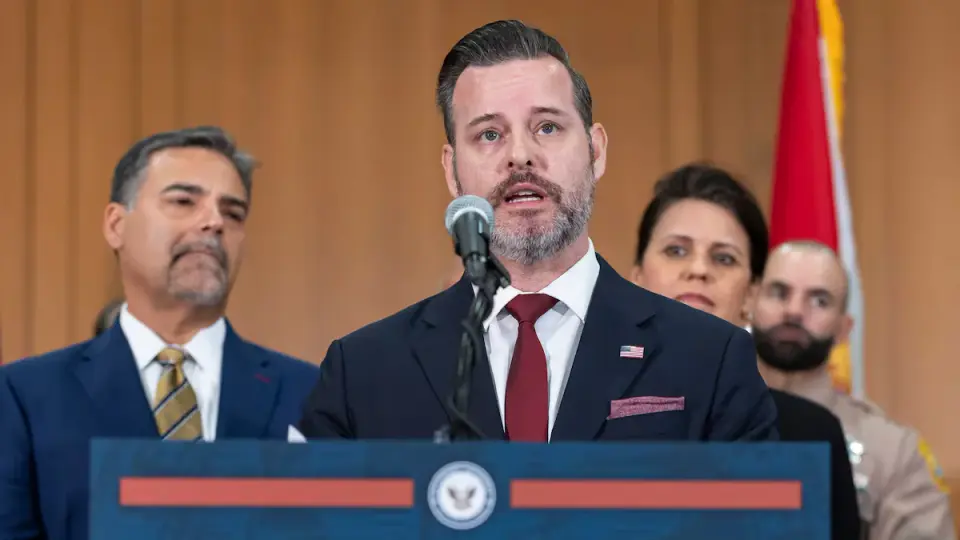
Jason Reding Quiñones resigned as U.S. Attorney for the Southern District of Florida on November 6, 2026, ending a turbulent tenure marked by significant staff losses and controversy over the 'grand conspiracy' investigation. Attorney General Todd Blanche announced the departure, citing Quiñones’s work on violent crime and drug trafficking while omitting references to the contentious probe into former Obama-era officials. The resignation follows a Democratic sweep in the midterm elections and coincides with the exits of other high-ranking Justice Department officials, including the heads of the National Security and Civil Rights divisions. Quiñones’s departure is seen as a potential setback for the administration’s efforts to prosecute perceived political enemies, as no charges had yet been brought in the grand conspiracy case.
Key points
- Jason Reding Quiñones resigned abruptly as U.S. Attorney for the Southern District of Florida on November 6, 2026, without providing a specific reason for his departure.
- Attorney General Todd Blanche announced the resignation, praising Quiñones’s work on violent crime, drug trafficking, and the indictment of former Cuban President Raúl Castro, but did not mention the 'grand conspiracy' investigation.
- The Southern District of Florida lost roughly half of its full-time prosecutors, from 240 to slightly more than 120, due to retirements, resignations, and firings, with some departures linked to the dismissal of prosecutors who worked on investigations involving President Trump.
- The 'grand conspiracy' investigation, which targeted former Obama-era officials like John Brennan, had not resulted in any charges, and Brennan’s attorneys accused the Justice Department of pursuing a politically motivated case.
- Quiñones’s resignation follows a Democratic sweep in the midterm elections and coincides with the exits of other high-ranking Justice Department officials, including John Eisenberg (National Security Division) and Harmeet Dhillon (Civil Rights Division).
Background
Quiñones’s tenure was marked by turmoil within the Miami-based federal prosecutor’s office, including complaints about staffing losses, declining morale, and resources being diverted toward the 'grand conspiracy' investigation. The office, once known for major drug trafficking and financial fraud prosecutions, faced scrutiny over its handling of the probe into former Obama-era officials, which some viewed as politically motivated. The resignation comes amid a broader exodus of high-ranking Justice Department officials following the midterm elections, with Democrats poised to have oversight control and launch investigations into the actions of departing officials.
How outlets are covering it
The New York Times emphasized that Quiñones’s resignation was driven by growing dissatisfaction with his performance, including his failure to produce a major case in the 'grand conspiracy' investigation and his frequent travel to Washington, D.C. CNN highlighted that Quiñones was pushed out under pressure from department leadership, despite his willingness to pursue controversial investigations, and that his departure dealt a potential final blow to the administration’s efforts to prosecute Trump’s political foes. NBC News noted that Quiñones’s resignation followed a Democratic sweep in the midterm elections and coincided with the exits of other high-ranking Justice Department officials, while also highlighting the lack of success in the 'grand conspiracy' case and other related investigations. The Tampa Bay Times focused on the abrupt nature of Quiñones’s resignation and the controversy surrounding the 'grand conspiracy' investigation, including the involvement of Joseph diGenova and the use of a grand jury in Fort Pierce, Florida.
Why it matters
Quiñones’s resignation marks a significant shift in the Justice Department’s approach to prosecuting perceived political enemies, as the 'grand conspiracy' investigation had not resulted in any charges. The departure of high-ranking officials following the midterm elections could impact the administration’s ability to confirm new officials and may lead to increased scrutiny from Democrats. The resignation also highlights the challenges faced by the Southern District of Florida, which lost roughly half of its full-time prosecutors and faced criticism over its handling of the 'grand conspiracy' investigation. The broader implications include potential changes in the administration’s strategy for pursuing politically motivated cases and the impact on the reputation of the Justice Department.
What to watch
The administration is expected to face challenges in confirming new officials with a Democratic Senate, but the president could install acting leaders to fill key positions. Democrats are likely to investigate the actions of departing officials, including Quiñones and Dhillon, as they gain oversight control. The Justice Department may need to reassess its approach to politically motivated cases and address the staffing and morale issues within the Southern District of Florida. The outcome of the 'grand conspiracy' investigation and other related cases will be closely watched, as they could have significant implications for the administration’s credibility and the rule of law.
- South Florida’s US Attorney has abruptly resigned Tampa Bay Times
- U.S. Attorney Who Oversaw Centerpiece of Trump’s Revenge Campaign Resigns The New York Times
- Three Justice Department officials, including man behind Trump’s ‘grand conspiracy’ probe, resign since brutal midterm losses CNN
- Two more DOJ officials resign, including head of national security division The Washington Post
- Trump DOJ appointee who led ‘grand conspiracy’ probe of Trump foes resigns NBC News
Want the full story? Read the original reporting
Read on Tampa Bay Times