
US Embassy Escalates Trade War with Formal Accusations of Canadian Election Meddling
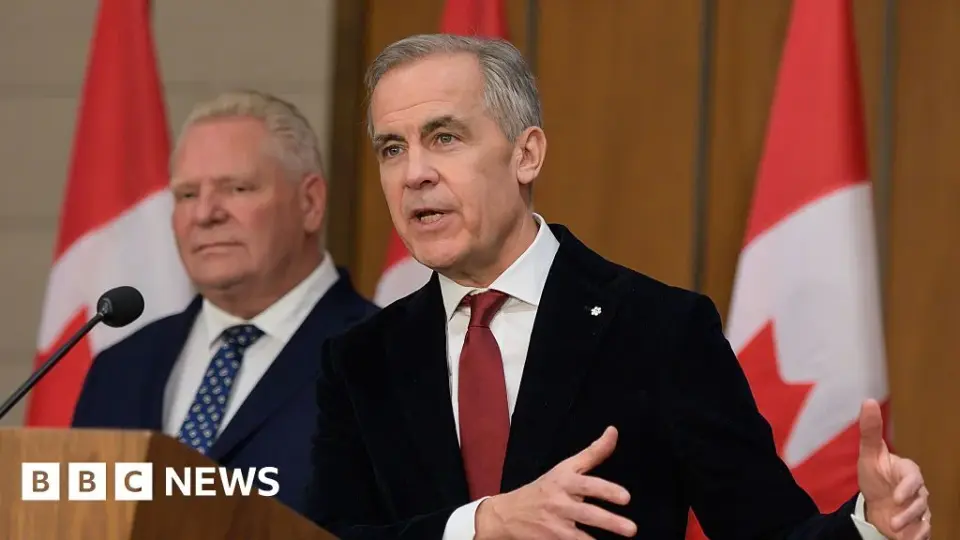
The US Embassy in Ottawa released a fact sheet accusing Canadian officials of interfering in the upcoming US midterm elections. The document cites public statements by Canadian leaders regarding retaliatory tariffs and meetings with US Democrats as evidence of meddling. Canadian Prime Minister Mark Carney and other officials rejected the claims, framing their actions as defensive economic measures. This diplomatic friction occurs against a backdrop of escalating trade tensions and mutual accusations of foreign interference.
Key points
- The US Embassy in Ottawa released a fact sheet on Wednesday accusing Canadian officials of interfering in the upcoming US midterm elections.
- The document cites public statements by Canadian leaders regarding retaliatory tariffs and meetings with US Democrats as evidence of meddling.
- Canadian Prime Minister Mark Carney and other officials rejected the claims, framing their actions as defensive economic measures.
- This diplomatic friction occurs against a backdrop of escalating trade tensions and mutual accusations of foreign interference.
Background
This dispute is part of a broader pattern of US-Canada trade tensions that have escalated since the start of the second Trump administration in 2025. The two countries have been locked in a trade war, with Canada responding to US tariffs with its own import taxes. The US Embassy's accusations come after US Ambassador Pete Hoekstra warned that Washington was 'closely watching' Canada for signs of interference. The dispute also follows a failed referendum on Alberta's independence, where separatist leaders had sought support from Trump administration officials.
How outlets are covering it
The US Embassy, through its fact sheet, argues that Canadian officials are 'brushing off concerns about potential interference' and are 'openly describe plans to influence American politics in official documents and public appearances.' It cites specific examples, such as Industry Minister Mélanie Joly's meetings with US Democrats and Ontario Premier Doug Ford's calls for retaliatory tariffs. In contrast, Canadian Prime Minister Mark Carney and other officials deny the allegations, framing their actions as necessary economic defense against US tariffs. Carney stated that 'The United States initiated a series of trade actions. We've responded to those to protect Canadian jobs, to protect Canadian companies and develop our economy.' Ford also denied any interest in interfering in US elections, stating, 'I'll tell you what the American people want. They want certainty, they want stability.'
Why it matters
The US-Canada trade war has become a major issue in the US midterm elections, with the trade dispute becoming a pressure point on Republican candidates running for the Senate in border states like Michigan and Maine. The US Embassy's accusations could further strain relations between the two countries and potentially impact the outcome of the midterm elections. The dispute also highlights the broader tensions between the US and Canada, which have been escalating since the start of the second Trump administration.
What to watch
The US Embassy's accusations are likely to further strain relations between the US and Canada. The Canadian government is expected to continue to deny the allegations and frame its actions as necessary economic defense. The US may also continue to monitor Canadian officials for signs of interference. The outcome of the US midterm elections could also impact the trade war, with a potential change in control of Congress potentially leading to a shift in US trade policy.
- US embassy accuses Canada of brushing off allegations of election interference BBC
- US accuses Canada of election interference ahead of midterms Al Jazeera
- Carney says Trump’s tariffs hurt Americans as US alleges Canadian interference AP News
- U.S. Embassy says Carney government brushing off 'potential interference' in midterms CBC
- Trump’s man in Ottawa accuses Carney of straining US-Canada ties Politico
Want the full story? Read the original reporting
Read on BBC