
US Missile Stockpiles Hit Critical Lows as Iran Conflict Drags On
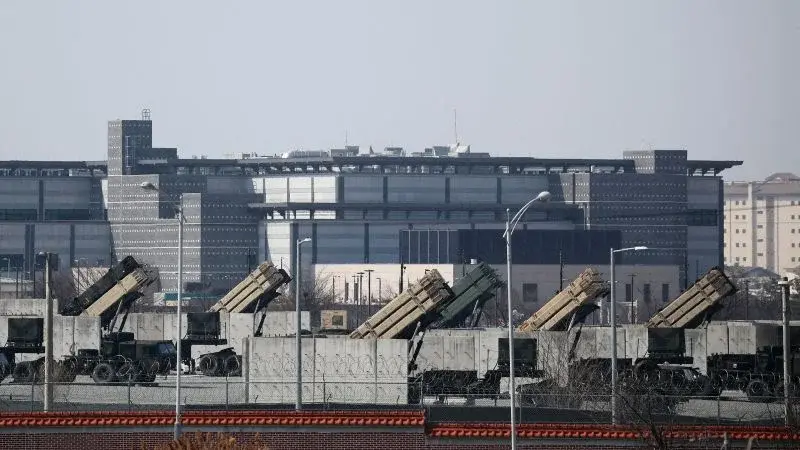
US air defense reserves are critically low after the Iran conflict, with Patriot interceptors down 65% and THAAD down 38% since pre-war levels. While the Pentagon claims sufficient capability, analysts warn that production lead times of three to five years create a 'window of vulnerability' for other theaters, particularly against China. Recent strikes have forced a shift in doctrine, with commanders potentially sparing missiles for non-critical targets to preserve stockpiles.
Key points
- CSIS estimates fewer than 827 Patriot interceptors and 278 THAAD missiles remain, down from 2,330 and 452 respectively before the war.
- The Pentagon is requesting $67 billion in supplemental funding to replenish stockpiles, though production lead times for these weapons are three to five years.
- Commanders are reportedly altering interception doctrine, potentially allowing missiles to hit unpopulated areas to conserve expensive interceptors.
- Trump and Defense Secretary Pete Hegseth blame the Biden administration for prior shortages, while lawmakers argue the issue requires bipartisan action.
- Recent joint US-Saudi strikes on Iranian proxies in Iraq and intercepted Iranian attacks indicate the ceasefire is fragile and stockpiles continue to dwindle.
Background
The current depletion follows a broader trend of strain on US defense resources. In July 2026, the Pentagon sought nearly $70 billion in additional funding, noting that key munitions were at or below 50% of prewar levels. This comes after the Strategic Petroleum Reserve hit its lowest level since 1983 in June 2026 due to emergency releases to manage energy prices during the conflict. Diplomatic efforts to resolve the war around the Strait of Hormuz have stalled, with fighting continuing despite previous pauses. Earlier in July, UN Ambassador Mike Waltz dismissed stockpile concerns, claiming the US had 'everything it needs,' a stance that contrasts with current internal assessments of dwindling reserves.
How outlets are covering it
CNN and AP News emphasize the severity of the depletion, citing CSIS data that shows a 65% drop in Patriots and a 38% drop in THAADs. They highlight the strategic risk to other fronts, particularly the Pacific, and note that commanders are now sparing missiles for non-critical targets. BBC provides a broader economic and geopolitical context, noting the $37.5 billion cost of the war and the impact on allies like Ukraine, which is also seeking Patriots. BBC highlights the 'Davidson window' regarding China, suggesting the US is in a 'window of vulnerability.' While the White House and Pentagon maintain that the US has 'everything it needs' and is the most powerful military in the world, analysts like Mark Cancian argue that the lead time for production means the US cannot quickly replace these high-end weapons, creating a tangible risk if hostilities resume or if a conflict with China emerges.
Why it matters
The depletion of advanced missile interceptors threatens US deterrence capabilities not only in the Middle East but also in the Indo-Pacific, where a potential conflict with China is a primary concern. The inability to quickly replenish these weapons due to long production cycles means the US may have to accept higher risks of damage to bases or alter its defense doctrine, potentially impacting its ability to protect allies and project power globally. This situation also strains diplomatic relations with allies like Ukraine and raises questions about the sustainability of US military commitments in multiple theaters simultaneously.
What to watch
The Pentagon is awaiting congressional approval for the $67 billion supplemental funding request to begin replenishing stockpiles. However, analysts warn that even with immediate funding, it will take three to five years to produce new Patriot and THAAD interceptors. The fragile ceasefire may collapse, as recent strikes by US and Saudi forces on Iranian proxies in Iraq suggest. If hostilities resume, stockpiles could drop further, potentially forcing the US to adopt a more conservative interception doctrine or risk greater damage to its forces and bases in the region.
- US weapons stockpiles continue to dwindle with permanent end to Iran war nowhere in sight CNN
- Why the U.S. military is letting some Iranian projectiles through its defenses NBC News
- Our Munitions Mess Is Even Worse Than You Think The Free Press
- As the US pauses the war with Iran, is Trump really running out of weapons? BBC
- Recent fighting with Iran further draws down key US air defense stockpiles, analysis says AP News
Want the full story? Read the original reporting
Read on CNN