
Van Hollen’s Bid to Oust Schumer Tests Democratic Unity After Midterm Sweep
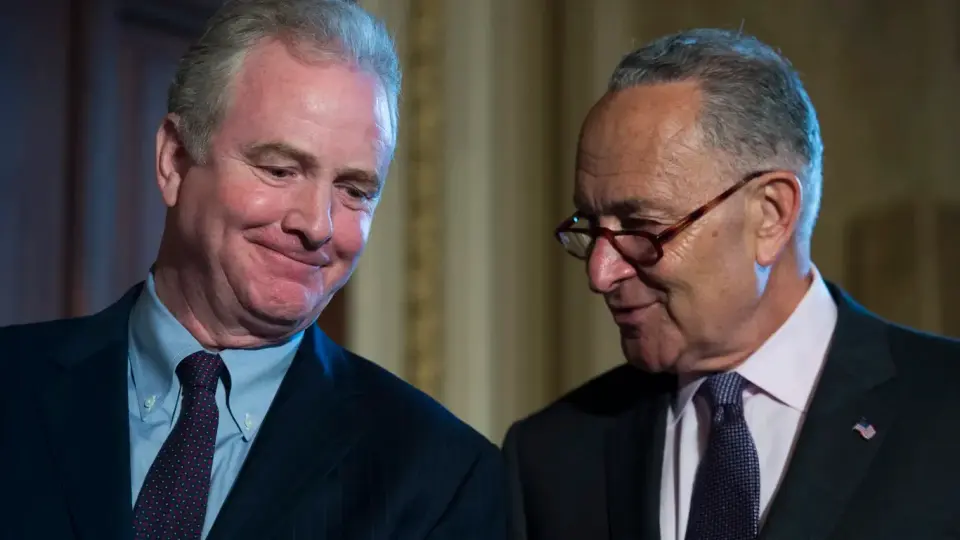
Maryland Senator Chris Van Hollen has formally challenged New York Senator Chuck Schumer for the role of Senate Democratic majority leader, citing a mandate for change following the party’s sweeping midterm victory. While Schumer holds a significant endorsement advantage, Van Hollen has secured support from key progressives, including Bernie Sanders. The secret-ballot election is scheduled for December 1, with the winner assuming leadership on January 4. The contest highlights deep ideological divisions within the caucus, pitting establishment figures who credit Schumer for the recent electoral success against progressives demanding a more aggressive posture against the Trump administration and a shift away from Washington’s traditional leadership structures.
Key points
- Van Hollen announced his challenge on Thursday, arguing that the midterm results require new leadership to deliver on promises to working families.
- Schumer has secured public endorsements from 14 senators, including himself, while Van Hollen has five public backers, though he claims more than 10 private commitments.
- Bernie Sanders and incoming Senator Abdul El-Sayed have publicly endorsed Van Hollen, while Kirsten Gillibrand and Ruben Gallego support Schumer.
- The leadership vote is set for a secret ballot on December 1, with the winner taking office on January 4 when Democrats assume control of the Senate.
- Critics argue Schumer was too passive during the Trump administration, while supporters credit him for recruiting candidates and raising funds for the midterm victory.
Background
This leadership contest follows the Democratic Party’s historic midterm victory, which secured at least 55 Senate seats. The dispute emerged after progressive critics accused Schumer of failing to fight effectively against President Trump’s agenda, particularly regarding a government funding bill in March 2025. The challenge also reflects broader tensions over generational change and geographic representation, as new senators from previously red states question the relevance of traditional Washington leadership. Previous archive coverage noted that Van Hollen was in 'listening mode' before officially declaring his candidacy, and that Schumer had been securing support with a detailed legislative agenda.
How outlets are covering it
Axios emphasizes the numerical disadvantage Van Hollen faces, noting that Schumer has 14 public endorsements compared to Van Hollen’s five, though Van Hollen claims more than 10 private commitments. Axios highlights the role of undecided senators, including potential 2028 presidential contenders like Jon Ossoff and Cory Booker, who have not yet picked sides. BBC focuses on the ideological divide, noting that Van Hollen has taken positions popular with the left, such as restricting weapons shipments to Israel, while Schumer is seen as a moderate establishment figure. CNN frames the contest as a potential fracture in Democratic unity, highlighting the tension between the party’s base and its Washington leaders, and notes that the secret ballot may allow senators to publicly support change while privately backing Schumer. Politico stresses the political pressure on undecided senators, noting that Van Hollen’s announcement forces members to make public decisions, risking a divisive fight at a triumphant moment. All sources agree that the contest reflects deep divisions within the Democratic Party, but differ in their emphasis on the likelihood of Van Hollen’s success and the broader implications for the party’s future direction.
Why it matters
The outcome of this leadership contest will shape the Democratic Party’s agenda in the Senate for the next two years, as the party prepares to face a contentious relationship with President Trump. A victory for Van Hollen could signal a shift toward more progressive policies and a more aggressive posture against the Trump administration, while a win for Schumer would maintain the status quo and emphasize stability and experience. The contest also has implications for the 2028 presidential election, as several potential contenders are undecided or have expressed support for one side or the other. Additionally, the secret ballot may allow senators to navigate the controversy without publicly aligning with either candidate, potentially preserving party unity while still addressing the demands of the base.
What to watch
Senate Democrats will hold a secret-ballot leadership election on December 1, with the winner assuming the role of majority leader on January 4. The outcome will depend on the private votes of undecided senators, including potential 2028 presidential contenders. Van Hollen is expected to continue campaigning for support, while Schumer will likely emphasize his experience and the party’s recent electoral success. The contest may also influence the party’s approach to key legislative issues, including healthcare, foreign policy, and economic reform, as the new majority prepares to take control of Congress.
- The senators who could join Van Hollen's insurgency against Schumer Axios
- Chris Van Hollen to challenge Chuck Schumer for Senate leadership BBC
- DEM SENATE LEADER FIGHT NPR
- Senate leadership showdown could fracture Democratic post-election unity CNN
- Capitol agenda: Van Hollen’s challenge puts Senate Dems in tough spot Politico
Want the full story? Read the original reporting
Read on Axios