
Vance Blames Iran War for GOP Rout as Trump Halts Peace Talks
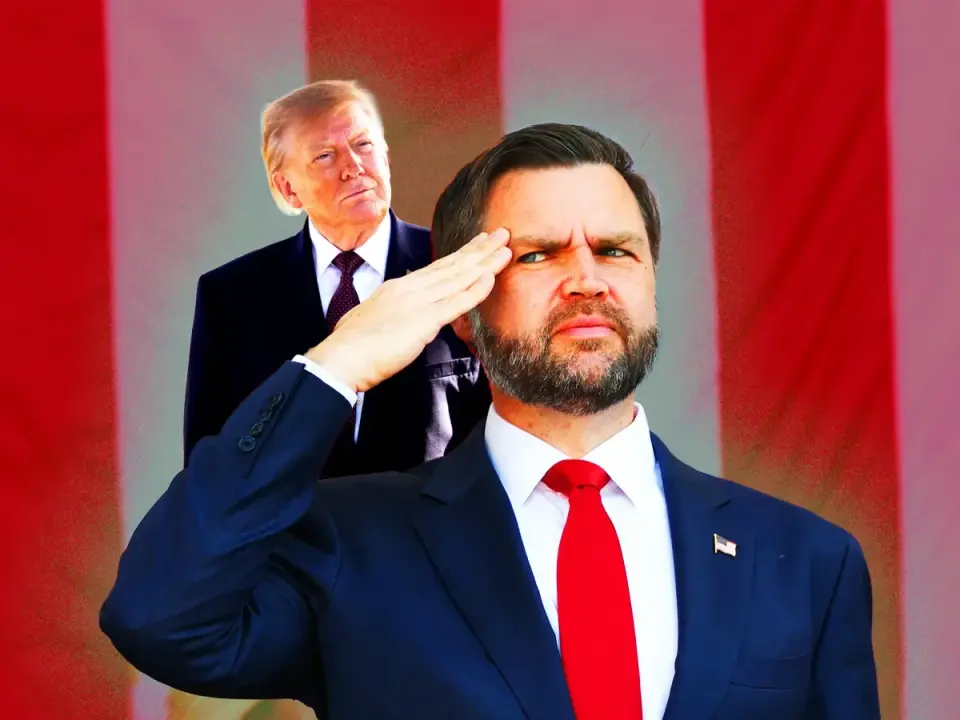
Vice President JD Vance publicly blamed the unpopular war with Iran for the Republican Party’s historic midterm losses, a stance that President Donald Trump initially endorsed but later contradicted by halting peace negotiations. This rift has intensified the 2028 presidential primary, with figures like Ron DeSantis and Ted Cruz positioning themselves as alternatives to Vance, while analysts debate whether the party’s collapse stems from foreign policy or domestic economic mismanagement.
Key points
- Vance stated in a social media post that the war with Iran was the primary reason for the GOP’s defeat, noting that losing the Senate for six years was a costly trade-off.
- Trump initially told reporters that Vance was 'right' about the war’s impact but later terminated Vance’s role in Iran peace talks, redirecting his focus to investigating alleged fraud in Democratic jurisdictions.
- The midterm results saw Democrats seize control of both chambers of Congress, marking a historic defeat for Republicans and scattering the MAGA movement.
- Potential 2028 challengers, including Florida Governor Ron DeSantis and Georgia Governor Brian Kemp, are actively assessing their bids, while Ted Cruz is positioning himself as a pro-Israel candidate distinct from Vance.
- Trump defended the Iran war as a necessary measure to prevent a nuclear threat, stating that he would repeat the decision despite the political cost.
Background
The 2026 midterms resulted in a historic Democratic victory, with Democrats seizing control of both chambers of Congress. This followed a period of intense internal GOP conflict, including a rivalry between Vance and Ted Cruz over 2028 ambitions. The war with Iran, which began in early 2026, had been a point of contention within the party, with some members criticizing the lack of congressional authorization and the economic fallout. The recent midterm losses have forced a reckoning within the party, with many leaders blaming the administration’s foreign and domestic policies for the defeat.
How outlets are covering it
The Hill reported that Trump defended Vance’s comments, stating that 'a lot of people didn’t like' them but that he personally agreed with the assessment that the war was a factor in the losses. The New York Times opinion column argued that Vance was using the war as a scapegoat to shift blame away from the administration’s broader policy failures, including tariffs and immigration enforcement. The Washington Post highlighted that the midterm drubbing has intensified interest among prominent Republicans to challenge Vance in the 2028 primary, with DeSantis and Cruz actively positioning themselves as alternatives. TPM noted that Vance’s remarks were lionized in the media as a break with Trump, despite Trump’s initial endorsement of the post.
Why it matters
The rift between Vance and Trump over the Iran war signals a potential fracture in the MAGA movement, which could reshape the Republican Party’s direction in the 2028 presidential race. The historic midterm losses have forced the party to reassess its strategy, with many leaders blaming the administration’s foreign and domestic policies for the defeat. The outcome of the 2028 primary will determine not only the next GOP standard-bearer but also the future of the party’s coalition, as voters have increasingly soured on traditional GOP pillars such as foreign wars and corporate tax cuts.
What to watch
The 2028 presidential primary is expected to become a competitive race, with serious contenders likely entering the race between January and April 2027. Trump has left the door open to renewing military action against Iran but said it was unlikely if peace talks progressed. The Republican Party will need to decide whether to return to its conservative roots or continue to follow Trump’s populist agenda, as the party faces a potential realignment of its coalition in the 2028 election.
- Trump Forces Vance to Focus on His Retribution Campaign — Not 2028 Talking Points Memo
- After midterm rout, Vance tries to build his own 2028 brand Reuters
- Trump: ‘A lot of people didn’t like’ Vance comments blaming midterm losses on Iran war The Hill
- Potential Vance challengers smell blood in the water after brutal GOP losses The Washington Post
- Opinion | JD Vance Trots Out an Old Scapegoat The New York Times
Want the full story? Read the original reporting
Read on Talking Points Memo