
Victim Families and Prosecutors Condemn Newsom’s Mass Commutation as Legal Challenges Loom
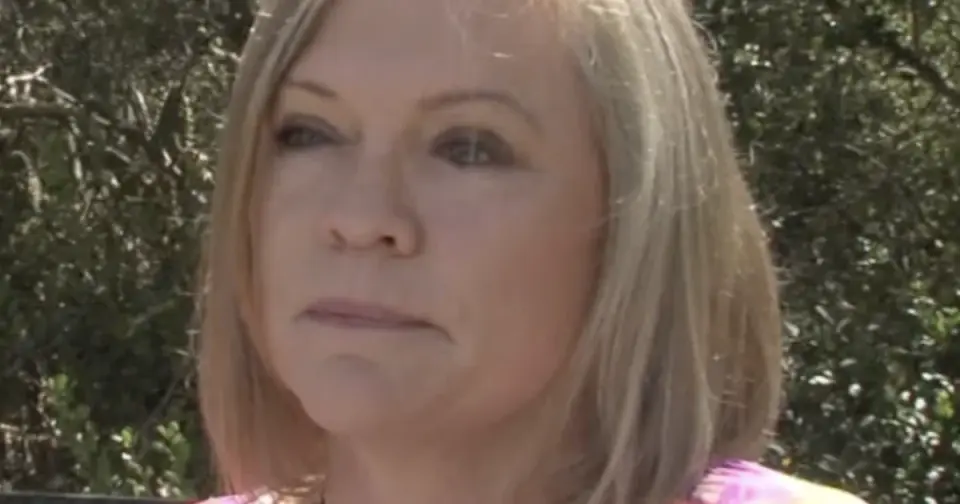
California Governor Gavin Newsom’s decision to commute 548 death sentences to life without parole has triggered intense backlash from victim families and prosecutors, who call it a betrayal of justice. While Newsom frames the move as a moral imperative, critics argue it overrides judicial outcomes and voter mandates. Legal challenges are underway, with the California Supreme Court set to review 382 cases by November 24.
Key points
- Newsom commuted 548 death sentences to life without parole, the largest mass clemency in U.S. history.
- Victim families, including Brenda van Dam and Tiffani Parker, publicly condemned the decision as a betrayal.
- Prosecutors, including Todd Spitzer and Nathan Hochman, argue the move undermines the judicial process and victim promises.
- The California Supreme Court must review 382 cases with multiple felony convictions before commutations can be finalized.
- Newsom’s decision follows a 2016 voter rejection of death penalty abolition, sparking debates over executive overreach.
Background
Newsom’s commutation follows his 2019 moratorium on executions and a 2016 voter rejection of death penalty abolition. The decision, announced Nov. 5, 2026, comes two months before his term ends, with some analysts linking it to a potential 2028 presidential run. Prior archive coverage noted the move as the largest mass clemency in modern U.S. history, with 40% of sentences changed immediately and the rest pending Supreme Court review.
How outlets are covering it
Victim families, such as Brenda van Dam (whose daughter Danielle was murdered in 2002) and Tiffani Parker (whose sister Michelle Curran was killed in 2001), describe the commutation as a betrayal of justice and a threat to public safety. Prosecutors, including Orange County DA Todd Spitzer and LA County DA Nathan Hochman, argue the move overrides jury verdicts and undermines victim promises. Newsom, however, frames the decision as a moral imperative, stating the death penalty is 'incompatible with California's values.' Legal experts, such as Loyola Marymount University professor Stan Goldman, dispute claims that life without parole sentences could lead to early release, calling such fears unlikely. Some outlets, like CNN, highlight notorious inmates affected, including Randy Kraft and Richard Allen Davis, while NBC News emphasizes the anger of families who feel their voices were ignored.
Why it matters
The commutation reshapes California’s approach to capital punishment, testing the limits of executive power versus judicial and voter authority. It raises questions about the finality of justice for victims and the practical implications of life without parole sentences. The legal challenges and public backlash could influence future clemency decisions and death penalty debates nationwide.
What to watch
The California Supreme Court must review 382 cases by November 24, with victim families potentially submitting statements. Legal challenges to the commutations are underway, and the outcome could set precedents for executive clemency in other states. Newsom’s decision may also impact his political standing ahead of a potential 2028 presidential run.
- Brenda van Dam speaks out against Newsom’s death penalty decision 10News.com
- These are some of the most notorious California death row inmates whose sentences could be commuted CNN
- Victims’ families lash out at Gavin Newsom after mass commutation of ‘monsters’ on death row in California NBC News
- Las Vegas woman speaks out after sister's killer spared from execution KSNV
- Advocates, families of murder victims speak out against Newsom's plans to commute death sentences KCRA
Want the full story? Read the original reporting
Read on 10News.com