
Volunteers Mobilize to Monitor Polls Amid ICE Threats
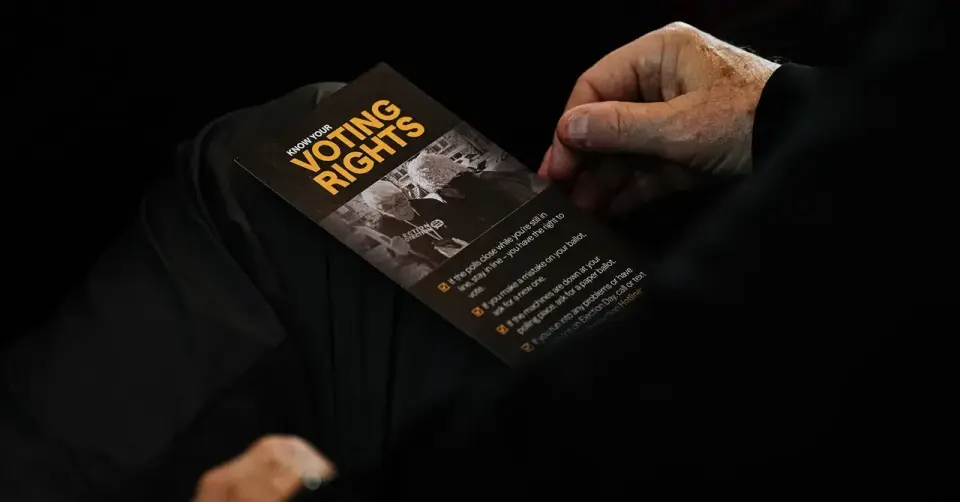
As the 2026 midterms approach, a nationwide network of volunteers is preparing to monitor polling places for potential federal interference. Groups like Common Cause and Indivisible are training observers to document ICE activity, while the Department of Homeland Security denies plans to target voting sites. The effort aims to counter voter intimidation and disinformation in communities previously targeted by immigration enforcement.
Key points
- Over 50,000 people have completed training through organizations like States at the Core to monitor federal activity near polls.
- In Columbus, Ohio, 614 ICE Watch plans to deploy 250 volunteers on Election Day to document any ICE presence in immigrant-heavy neighborhoods.
- DHS states it has no plans to deploy ICE to polling locations, but acknowledges targeted enforcement could occur if public safety threats arise.
- The Justice Department is sending 1,000 observers nationwide, described as its largest election-monitoring effort.
- Volunteers are using heat maps and Signal groups to track ICE activity and debunk disinformation in real-time.
Background
This mobilization follows heightened tensions since the start of President Trump’s second term, including the December 2025 Operation Buckeye in Ohio, which targeted Somali American communities. Recent ICE custody deaths and facility controversies, such as those at the Adelanto Processing Center, have intensified concerns about federal overreach. Additionally, past incidents of ballot box arson and mail theft have prompted security upgrades, though no such incidents have been reported in the current early voting period.
How outlets are covering it
WIRED and USA Today emphasize the scale of grassroots preparation, highlighting training sessions and volunteer networks as a defense against potential intimidation. They note that while DHS denies plans to target polls, officials like Trump and Todd Blanche have not ruled out deployments. National Review, however, frames the threat as 'phantom,' arguing that recent incidents involving federal agents near polls were routine or unrelated to voter intimidation. It stresses that local police presence is normal and that federal law prohibits interference. Snopes confirms the legitimacy of volunteer training, citing organizations like Hands Off Our Vote and the Brennan Center for Justice, which provide toolkits for handling federal agents at polls. The divergence lies in the perceived likelihood of interference: activists view it as a tangible risk, while critics see it as an overreaction to isolated events.
Why it matters
The outcome of the 2026 midterms will determine the balance of power in Congress and the ability to enact or block executive priorities. Ensuring free and fair elections is critical to maintaining democratic norms, especially in competitive races. The volunteer efforts aim to protect voter access and counter disinformation, which could influence turnout in key demographics. If federal agents are deployed near polls, it could set a precedent for future elections and raise constitutional questions about the separation of powers.
What to watch
Election Day is scheduled for November 3, 2026, with early voting already underway. Volunteers will continue monitoring polls through November 8, including ballot counting and certification processes. The Justice Department and congressional staff will observe up to 45 closely contested races. Post-election, groups like the Election Sabotage Response Network will remain engaged to address any challenges to results. The focus will shift to ensuring that any incidents are documented and reported to prevent future intimidation.
- Massive Groups of Volunteers Are Ready to Face Down ICE at the Polls WIRED
- Volunteers training to monitor polls in case of federal intervention USA Today
- The Phantom Voter-Intimidation Threat National Review
- Are election volunteers preparing for federal agents potentially intimidating voters at polling sites? Snopes.com
- ICE Does Not Belong at the Polls Time Magazine
Want the full story? Read the original reporting
Read on WIRED