
Bell Defeats Bush in Missouri Primary, Halting Progressive Momentum
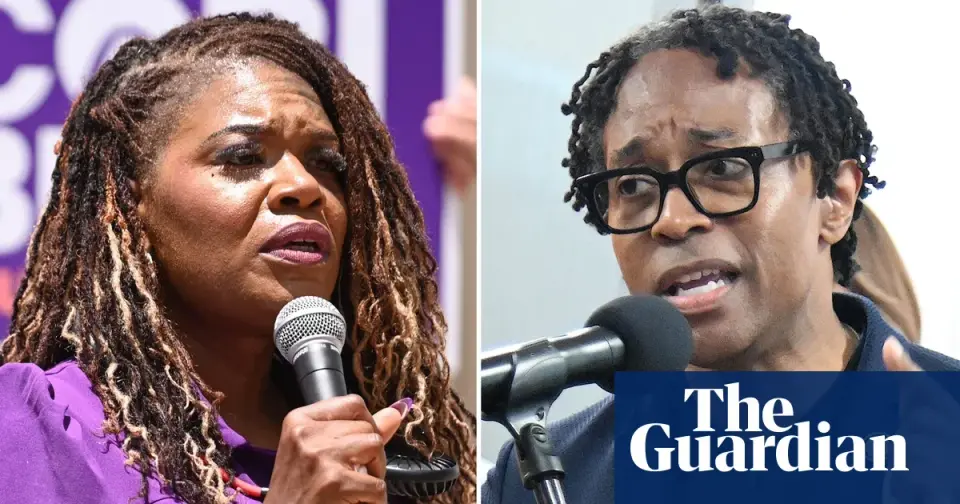
Wesley Bell won the Missouri 1st District Democratic primary, defeating former representative Cori Bush and securing the nomination for the November general election. The race, heavily influenced by outside spending, ended with Bell capturing 59.2% of the vote compared to Bush's 36.9%. This result marks a significant setback for progressive candidates who had recently gained traction in other states, demonstrating that moderate, pro-Israel Democrats can still prevail in heavily Democratic districts despite national shifts in public opinion regarding Israel.
Key points
- Wesley Bell secured 83,853 votes (59.2%) against Cori Bush's 52,299 votes (36.9%) in the Missouri 1st District Democratic primary.
- The Associated Press called the race for Bell, positioning him as the favorite to win the November general election in a district rated 'Solidly Democratic' by the Cook Political Report.
- Bell’s campaign and allies outspent Bush by a 27-to-1 ratio, with the AIPAC-linked super PAC United Democracy Project spending approximately $2 million on ads supporting Bell.
- Bush, a former member of 'the Squad,' framed the race as a referendum on US aid to Israel, while Bell focused on local issues and opposition to the current administration.
- The victory for Bell contrasts with recent progressive wins in other states, such as Michigan, where anti-AIPAC sentiment helped elect candidates like Abdul El-Sayed.
Background
This primary was a rematch of the 2024 contest, where Bell defeated Bush with significant financial backing from pro-Israel groups. In 2024, the United Democracy Project spent $9.3 million to help Bell unseat Bush. Bush had previously served two terms in the House as a progressive Democrat. Recent coverage highlighted a growing rift within the Democratic Party, with progressives gaining momentum in several states but facing resistance in others. The Missouri race was seen as a key test of whether progressive anti-Israel stances could overcome moderate establishment support and substantial outside spending.
How outlets are covering it
The Guardian emphasized the broader implication of the result, noting that Bell's win blunted the momentum of pro-Palestinian candidates and bucked the trend of progressive primary victories. The New York Times focused on the financial disparity, highlighting that AIPAC's super PAC spent over $5 million in the 2024 cycle and continued to influence the 2026 race, while also noting the district's solidly Democratic status. Politico framed the outcome as a 'snag' for progressives, pointing out that while AIPAC spent less in 2026 ($2 million) than in 2024 ($9.3 million), Bell still won by a wide margin, suggesting that voter anger toward pro-Israel politicians has limits. NBC News highlighted the 27-to-1 spending ratio and included voter quotes criticizing the influence of 'dark money' and outside groups on local elections, while also noting Bell's focus on local Missouri issues rather than foreign policy.
Why it matters
Bell's victory signals that moderate, pro-Israel Democrats can still win in heavily Democratic districts despite a national shift in public opinion toward supporting Palestinian causes. It also highlights the continued influence of outside spending, particularly from groups like AIPAC, in shaping primary outcomes. The result may affect the trajectory of progressive movements within the Democratic Party, as it shows that grassroots support alone may not be sufficient to overcome well-funded moderate campaigns in key districts.
What to watch
Bell will now face Republican nominee Paul Berry III in the November general election. The Cook Political Report rates the district as 'Solidly Democratic,' suggesting Bell has a strong advantage. The outcome of this race could influence the balance of power in the House and the broader narrative of the 2026 midterm elections, particularly regarding the role of progressive versus moderate wings of the Democratic Party.
- Incumbent Wesley Bell wins Missouri primary as Cori Bush comeback bid fails The Guardian
- Missouri First Congressional District Primary 2026: Live Election Results The New York Times
- Progressives’ anti-AIPAC wave hits a snag in St. Louis Politico
- Rep. Wesley Bell defeats former Rep. Cori Bush in a Missouri Democratic primary rematch NBC News
- Establishment Democrats notch rare win as Wesley Bell fends off DSA-backed Cori Bush Axios
Want the full story? Read the original reporting
Read on The Guardian