
White House Refuses to Reimburse Taxpayers for Controversial Trump Ad Campaign
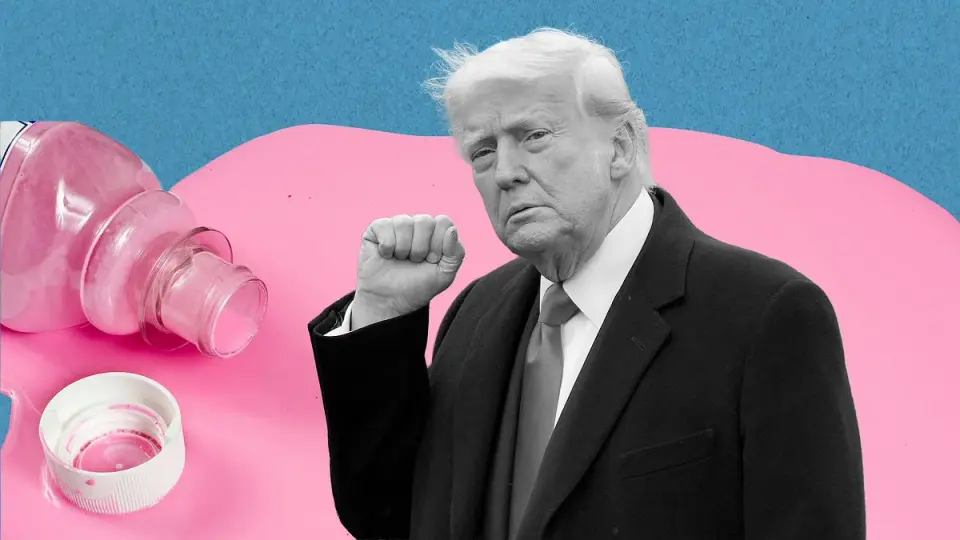
The White House confirmed it will not reimburse the federal government for over $10 million in taxpayer-funded television ads promoting President Trump, despite his earlier promise to shift costs to his super PAC. A new ad celebrating the Venezuela operation aired Tuesday, while the Democratic National Committee sued to halt the campaign, citing violations of federal laws against government propaganda.
Key points
- White House officials stated that MAGA Inc. would not reimburse the government for the approximately $10 million already spent on the ad campaign.
- A new ad featuring Trump, Secretary of State Marco Rubio, and Defense Secretary Pete Hegseth aired on Tuesday, funded by the U.S. government.
- The Democratic National Committee filed a federal lawsuit alleging the ads violate laws prohibiting the use of public funds for political propaganda.
- AdImpact reports that nearly $13 million in government-funded ads have aired since September 23, funded via a $20 million contract with LMD Agency Inc.
- A Reuters/Ipsos poll found that 86% of Americans, including 80% of Republicans, consider the use of taxpayer funds for these ads inappropriate.
Background
This dispute follows earlier coverage from October 7-8, 2026, where the DNC and Common Cause filed lawsuits challenging the legality of the ad campaign. Previous reports noted that while Trump announced he would shift future ad costs to his super PAC, he refused to reimburse the government for the initial spending, a decision that drew bipartisan criticism. The current situation escalates these tensions with the airing of new ads and the formal legal challenge.
How outlets are covering it
The New York Times and USA Today emphasize the White House's refusal to reimburse taxpayers, noting that Trump's promise to pay via MAGA Inc. applied only to future ads. The Guardian highlights the legal battle, detailing the DNC's lawsuit and the specific ads prepared, including controversial content like the 'Fifa peace prize' and attacks on Joe Biden. All sources agree on the bipartisan backlash and the high cost of the campaign, but differ in focus: The Bulwark and USA Today focus on the financial and political implications, while The Guardian focuses on the legal violations and public opinion.
Why it matters
The refusal to reimburse taxpayers and the continuation of government-funded ads ahead of the November midterms raise significant questions about the use of public funds for political promotion. The legal challenges and public opposition suggest potential long-term consequences for the administration's credibility and the integrity of the upcoming election.
What to watch
The federal court will likely rule on the DNC's lawsuit, potentially halting further ad spending. The White House may continue to air new ads, as seen with the Tuesday broadcast, while facing ongoing public and legal scrutiny. The outcome of the midterms will be influenced by the public's perception of these ads and the administration's handling of the controversy.
- We Showed Trump’s Taxpayer-Funded Ad to a Focus Group. The Results Were Abysmal. The Bulwark
- Trump Does Not Plan to Reimburse Taxpayers for Promotional Ads The New York Times
- Democrats sue to stop Trump from using taxpayer funds for self-promoting ads The Guardian
- Trump does not plan to reimburse government for taxpayer-funded ads USA Today
- DNC sues administration over taxpayer-funded pro-Trump TV ads NBC News
Want the full story? Read the original reporting
Read on The Bulwark