
White House swaps cyber chief after tech outages and internal disputes
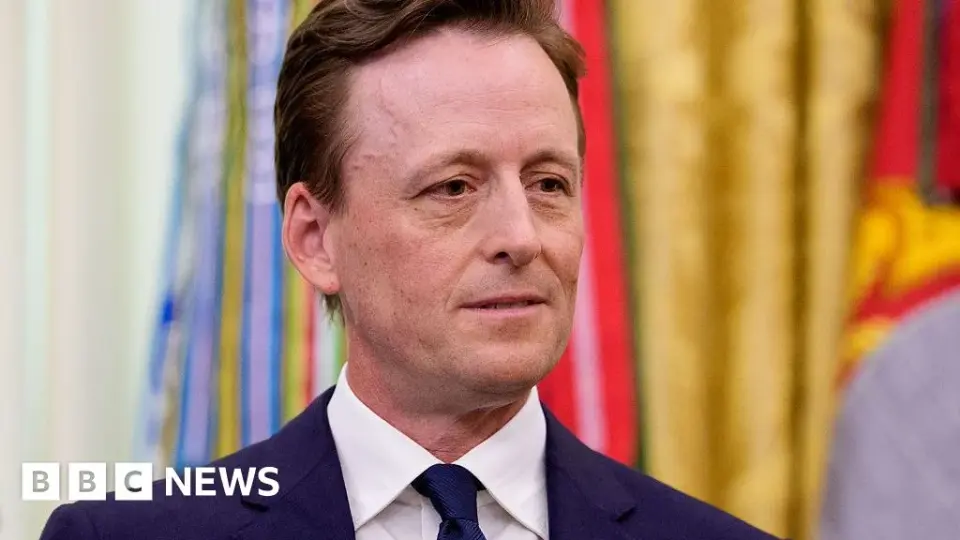
The White House has replaced National Cyber Director Sean Cairncross with Pentagon CIO Kirsten Davies as acting successor. The change follows a week of major U.S. tech outages and internal disagreements over Cairncross's qualifications and the administration's response to infrastructure failures. Cairncross, who helped draft the national cyber strategy, is stepping down during the lame-duck session to improve the odds of a permanent replacement being confirmed before Democrats take control of Congress in January.
Key points
- Sean Cairncross, the White House national cyber director since August 2025, is stepping down after a series of technological outages affected major U.S. companies and federal agencies.
- Kirsten Davies, the Pentagon's chief information officer, has been named acting national cyber director, according to statements by Secretary of State Marco Rubio, Defense Secretary Pete Hegseth, and the national intelligence director.
- Cairncross's office released a national cyber strategy in March that outlined priorities for enhancing digital resilience and boosting offensive cyber operations.
- The White House did not provide specific reasons for Cairncross's departure, but reports suggest internal disputes over his credentials and the administration's handling of recent infrastructure disruptions.
- Davies would need Senate confirmation to remain in the role permanently, and Cairncross is reportedly stepping down during the lame-duck session to improve the chances of a replacement being confirmed before Democrats take control in January.
Background
Our earlier coverage from today noted that Cairncross was fired amid a week of critical tech failures affecting U.S. air travel, banking, and national security systems. Internal disputes over his qualifications and the administration's response to these outages were cited as key factors in his removal.
How outlets are covering it
The New York Times emphasizes the timing of the change, linking it directly to a series of technological outages that fueled public anxiety and noting that Davies will serve as acting director pending Senate confirmation. Politico highlights Cairncross's role in leading the administration's response to increasingly powerful AI models and his office's crowning achievement of releasing a national cyber strategy in March. Axios first reported on Cairncross's departure but did not provide additional details in the accessible portion of the article. The BBC frames the move as a response to a series of tech outages, without delving into the internal disputes or AI policy aspects highlighted by other outlets.
Why it matters
The replacement of the national cyber director during a period of widespread tech outages raises questions about the administration's ability to coordinate cybersecurity efforts and respond to infrastructure disruptions. The choice of a Pentagon official as acting successor may signal a shift in priorities or a reorganization of cybersecurity leadership within the government.
What to watch
Kirsten Davies will serve as acting national cyber director until she is confirmed by the Senate. The White House may announce a permanent replacement in the coming weeks, and the administration's response to future tech outages will be closely watched. The lame-duck session of Congress may see efforts to confirm a permanent replacement before Democrats take control in January.
- White House removes cyber-security chief after series of tech outages BBC
- Scoop: Trump names Kirsten Davies as new national cyber director Axios
- Top White House Cybersecurity Official Is Replaced The New York Times
- National Cyber Director Sean Cairncross to depart White House Politico
- White House national cyber director leaving his post CBS News
Want the full story? Read the original reporting
Read on BBC