
Wiener scraps AI chatbot targeting Chan after Pelosi backlash
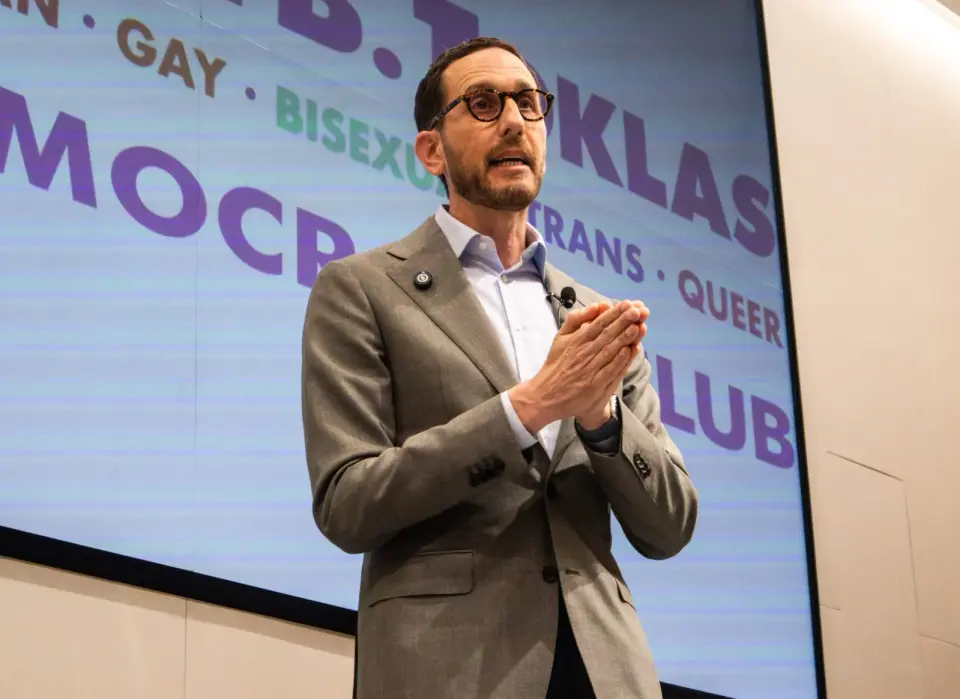
California State Senator Scott Wiener has discontinued a controversial AI chatbot designed to mock his congressional rival, San Francisco Supervisor Connie Chan. The tool, which launched on Monday and received over 5,000 queries in 27 hours, drew immediate condemnation from Pelosi and other Democratic leaders who labeled it sexist and racist. Wiener apologized and ordered the removal of the bot and associated billboards, though Chan’s campaign argues the incident reveals deeper character flaws.
Key points
- Wiener launched ConnieChan.ai, a parody chatbot that refused user requests to highlight Chan’s legislative record, accompanied by billboards in the Richmond District.
- The chatbot received 5,058 questions in its first 27 hours, generating significant national attention and criticism from Pelosi and eight other female Democrats.
- Wiener’s campaign initially defended the tool as a legitimate policy critique but reversed course after backlash, issuing an apology and removing the digital and physical assets.
- Chan’s spokesperson argued that while the bot is gone, the incident raises lasting concerns about Wiener’s judgment and his relationship with Big Tech.
- Political consultants noted the tactic was an effective negative hit that defined Chan on Wiener’s terms, despite the eventual withdrawal.
Background
This incident occurs during the 2026 race to succeed Nancy Pelosi in the U.S. House. Wiener, a proponent of AI transparency laws, faced prior controversies including a confrontation at the San Francisco Trans March in June 2026. The current dispute highlights tensions between AI innovation in political campaigns and ethical boundaries regarding the impersonation of public figures, particularly women of color.
How outlets are covering it
Mission Local and the San Francisco Examiner focused on the rapid backlash and Wiener’s apology, emphasizing the role of Pelosi and other Democratic leaders in forcing the withdrawal. Politico highlighted the specific allegations of racist and sexist undertones, noting screenshots of the bot’s previous responses regarding Chan’s accent and citizenship. Wiener’s campaign, via spokesperson Joe Arellano, rejected these claims, arguing the bot was a good-faith attempt to educate voters and that Chan’s supporters attempted to provoke offensive responses. Political consultant Nate Ballard offered a mixed view, suggesting the tactic was an 'astonishingly effective negative hit' that successfully defined Chan, even if it ultimately backfired due to the intensity of the outrage.
Why it matters
The episode underscores the growing risks of using AI for political attack ads, particularly when it involves the impersonation of candidates. It raises questions about the ethical limits of AI in democratic processes and the potential for such tools to reinforce harmful stereotypes. The swift reversal by Wiener suggests that the political cost of such tactics may outweigh their short-term attention-grabbing benefits.
What to watch
Wiener’s campaign will continue to remove the physical billboards, while Chan’s team is expected to maintain pressure on the issue, potentially using it to highlight Wiener’s judgment in the upcoming primary. The broader debate on AI regulation in politics may intensify as the election cycle progresses.
- ‘Apologize and take it down’: Scott Wiener pulls plug on Connie Chan AI chatbot Mission Local
- Scott Wiener says ConnieChan.ai chatbot, campaign billboards to be removed KRON4
- Nancy Pelosi slams Scott Wiener over campaign chatbot Politico
- Wiener chatbot mimicking Chan draws rebuke from Pelosi San Francisco Examiner
- S.F. congressional race: Scott Wiener takes down controversial AI chatbot attacking Connie Chan San Francisco Chronicle
Want the full story? Read the original reporting
Read on Mission Local