
Wisconsin Primary Upset Exposes Flaws in 2026 Democratic Polling
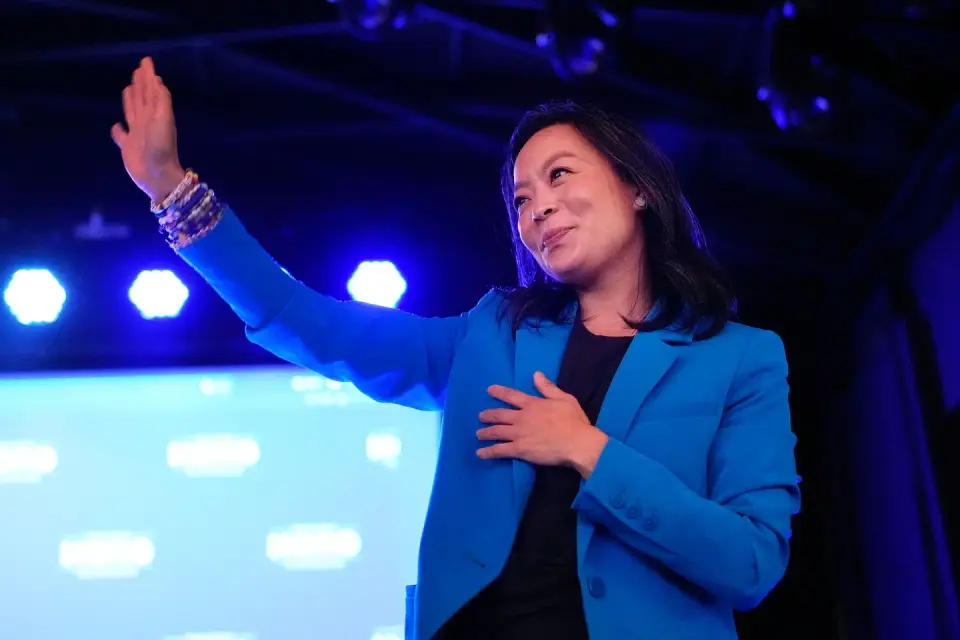
Democratic socialist Francesca Hong lost the Wisconsin gubernatorial primary by 0.5 percentage points to David Crowley, despite leading polls by up to 36 points. The upset, following a similar shock in Michigan, highlights how partisan polling and prediction markets misjudged the race. While independent surveys missed the shift, internal polls from Public Policy Polling accurately predicted the tight margin, raising questions about the reliability of mainstream polling in swing states.
Key points
- Francesca Hong, a democratic socialist, lost the Wisconsin Democratic gubernatorial primary to Milwaukee County Executive David Crowley by a margin of 0.5 percentage points, despite leading polls by 18 to 36 points.
- The upset followed a similar polling miss in Michigan, where progressive candidate Abdul El-Sayed won by only one point despite being favored by over 97% in prediction markets.
- CNN notes that recent polls in both states were largely partisan, while the last high-quality independent poll from Marquette University was conducted in late July when the race was still fluid.
- Public Policy Polling (PPP), which conducted internal polls for Crowley, accurately predicted a tie in a scenario adjusting for turnout and late-breaking information, contrasting with the wide leads shown by independent surveys.
- The results have prompted scrutiny of prediction markets like Kalshi, which assigned Hong a 95% chance of victory, and raised concerns about the impact of candidate-commissioned polls on media narratives.
Background
This primary was part of a broader 2026 midterm cycle where progressive candidates faced unexpected challenges. Earlier polls from Marquette and State Navigate showed Hong with significant leads, but the field was volatile, with candidates like Mandela Barnes withdrawing. The general election will see Crowley facing Republican Tom Tiffany, with party unity efforts underway despite the primary's divisive outcome.
How outlets are covering it
The Washington Post emphasizes the failure of independent polling and the broader implications for Democratic voters. CNN focuses on the role of partisan polls and prediction markets in creating a 'mirage' of certainty, noting that high-quality independent polling was sparse. The Washington Monthly highlights the accuracy of Public Policy Polling's internal surveys, which tracked the actual results more closely than mainstream outlets, suggesting that candidate-commissioned polls may offer more nuanced insights than independent averages in volatile races.
Why it matters
The Wisconsin upset signals that 2026 midterm races may be more competitive than polls suggest, particularly in swing states without partisan voter registration. It underscores the risks of relying on prediction markets and partisan surveys, and may influence how Democrats strategize for November, where control of the House and Senate remains uncertain despite current polling advantages.
What to watch
David Crowley will now face Republican Tom Tiffany in the general election, with the Democratic Party attempting to unify behind him. Pollsters and media outlets are likely to reassess their methodologies for swing states, while prediction markets may face increased scrutiny over their accuracy in close races.
- Wisconsin surprise raises big questions about polls and Democratic voters The Washington Post
- Why the ‘wisdom of crowds’ is getting some primaries wrong cnn.com
- One Internal Pollster Saw the Primary Results Coming Washington Monthly
- The Night Thanksgiving Was Saved The Bulwark
- Why polling primary elections is so hard Strength In Numbers | G. Elliott Morris
Want the full story? Read the original reporting
Read on The Washington Post