
Witkoff’s 'Humanitarian' Praise of Putin Sparks Bipartisan Backlash Amid Sanctions Waivers
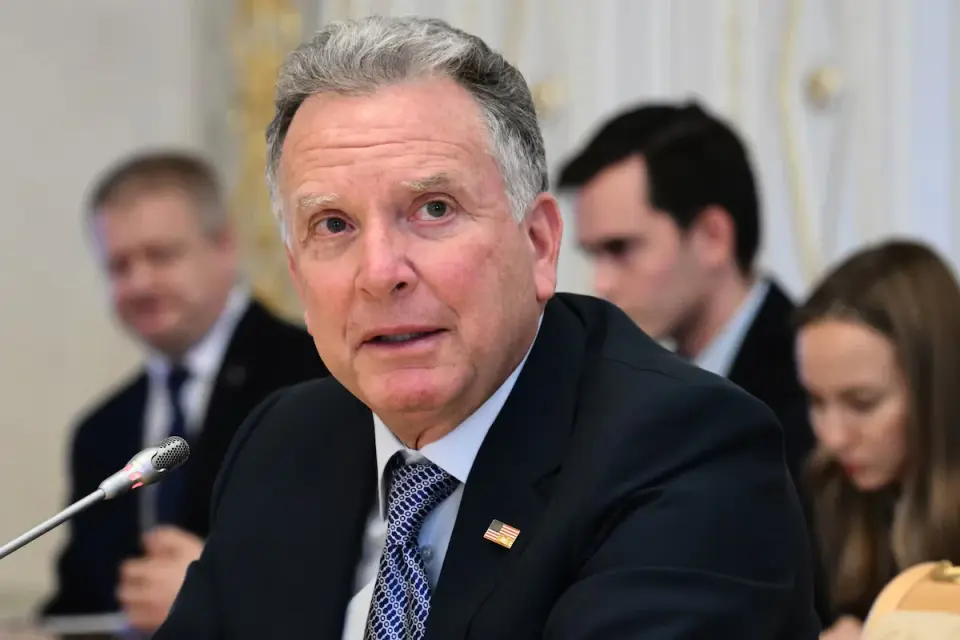
U.S. envoy Steve Witkoff faced severe bipartisan criticism for labeling Russian President Vladimir Putin a 'humanitarian' during a St. Petersburg meeting. The remark followed the release of detained American Stephen Hubbard and occurred alongside Trump’s waiver of Russian diesel sanctions. While the administration frames these moves as diplomatic tactics to secure peace talks, critics argue they reward aggression and ignore the ongoing war in Ukraine.
Key points
- Witkoff praised Putin as a 'humanitarian' after Moscow released U.S. citizen Stephen Hubbard, drawing sharp rebukes from both Republicans and Democrats.
- Senate Democrats plan to investigate U.S. diesel companies involved in the recent sanctions waiver, which Trump approved to ease fuel costs ahead of midterms.
- Trump defended the flattery as a necessary tool to get Putin to the negotiating table, despite global fuel prices rising rather than falling.
- Ukrainian President Zelensky condemned the remarks, noting that Russian ballistic strikes on Kyiv occurred immediately after the diplomatic talks.
Background
This controversy follows a series of recent diplomatic shifts, including Witkoff’s earlier securing of a preliminary agreement for November peace talks in Abu Dhabi. The current backlash intensifies after Trump waived sanctions on Russian energy, a move that contradicts legislation passed by Congress in 2022. Previous coverage highlighted tensions between Washington and Kyiv over intelligence sharing and direct inclusion in peace processes.
How outlets are covering it
The Washington Post and NBC News emphasize the bipartisan nature of the backlash, noting that even Republicans like Senators Thom Tillis and Susan Collins criticized Witkoff’s language as 'outrageous' and 'unembarrassing.' NBC News highlights the strategic calculation behind the flattery, citing former national security adviser Robert O’Brien, who argues that cordiality is the only lever left to force Putin to negotiate. The Atlantic offers a satirical perspective, mocking the semantic absurdity of calling a war leader a humanitarian. Conversely, the White House defends the approach as a pragmatic necessity to end the war, with Trump arguing that critics are 'stupid people' who do not understand the diplomatic process. Ukrainian officials, however, view these gestures as a betrayal, with Zelensky pointing to continued Russian strikes as proof of Moscow’s true intentions.
Why it matters
The incident highlights the deepening rift between the Trump administration’s diplomatic strategy and congressional oversight, as well as the growing skepticism among allies regarding U.S. neutrality. The planned Senate investigation into diesel companies signals potential legislative pushback against executive waivers, while the public backlash may impact Republican midterm prospects amid rising energy costs and voter dissatisfaction with the war in Iran.
What to watch
Senate Democrats are expected to formally launch an investigation into the diesel deal, requiring companies to preserve documents. Peace talks are scheduled to resume in November, potentially in Abu Dhabi, though experts doubt progress without significant leverage. The administration will likely continue its strategy of flattery and sanctions waivers in an attempt to secure a peace deal before the midterms.
- Witkoff faces backlash for praising Putin as a ‘humanitarian’ The Washington Post
- Witkoff’s Praise of Putin as ‘Humanitarian’ Tracks With U.S. Approach to Russia WSJ
- Russia agreed to restart trilateral talks. Peace in Ukraine is far off. The Washington Post
- Vladimir Putin, the Humanitarian The Atlantic
- Trump hopes to flatter Putin into negotiating on Ukraine, experts say NBC News
Want the full story? Read the original reporting
Read on The Washington Post