
Witkoff’s ‘Humanitarian’ Praise of Putin Triggers Bipartisan Backlash Amid Stalled Peace Talks
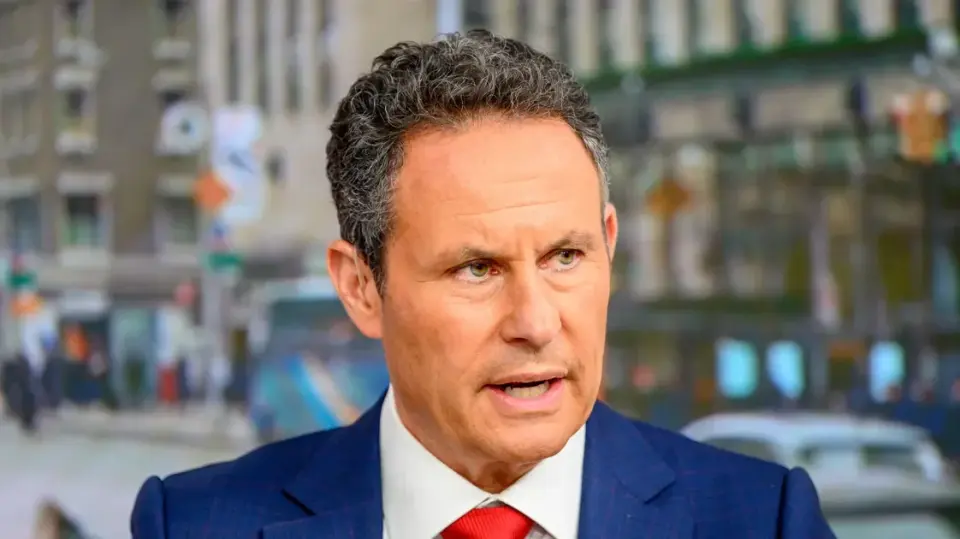
U.S. special envoy Steve Witkoff faced intense bipartisan criticism for calling Russian President Vladimir Putin a 'humanitarian' after Moscow released American teacher Stephen Hubbard. The remark, made during a meeting in St. Petersburg, drew sharp rebukes from Fox News host Brian Kilmeade and Republican lawmakers, who argued that praising a leader accused of war crimes and civilian bombardment was naive and embarrassing. While Witkoff’s visit followed a day of talks in Oslo with Ukrainian President Volodymyr Zelensky and European allies, no concrete peace deal was secured. Putin subsequently stated that future negotiations must focus on long-term security guarantees for Russia and Europe, rejecting temporary ceasefires. The controversy highlights deep divisions over the U.S. approach to ending the war, particularly amid recent sanctions waivers and restrictions on U.S. support for Ukraine.
Key points
- Witkoff praised Putin as a 'humanitarian' for releasing Stephen Hubbard, an American teacher jailed for over four years, during a meeting in St. Petersburg.
- Fox News host Brian Kilmeade and multiple Republican lawmakers condemned the remark, calling it naive and embarrassing given Russia's ongoing war and civilian casualties.
- Putin stated that peace talks must focus on permanent security guarantees for Russia and Europe, rejecting short-term ceasefires and insisting eastern Ukraine is 'historically Russian land.'
- Witkoff’s visit followed talks in Oslo with Zelensky and European leaders, where parties reported 'meaningful progress' on a framework agreement, though no deal was reached.
- The backlash occurs amid recent U.S. sanctions waivers on Russia and restrictions on Starlink services in Ukraine, which critics say emboldened Moscow.
Background
This controversy follows a series of stalled diplomatic efforts in late 2026. In September, a brief truce ended with renewed strikes and civilian casualties, prompting a Trump-Putin phone call that yielded no breakthrough. In mid-October, the U.S. restricted intelligence sharing and Starlink services in Ukraine, leading Zelensky to resume strikes on Russian oil refineries. Witkoff’s October 21 meeting in St. Petersburg, which included the release of Hubbard, failed to secure a ceasefire, with Putin rejecting a truce with Kyiv. The current dispute over Witkoff’s remarks reflects broader tensions regarding the U.S. strategy, which some European allies and Ukrainian officials view as overly accommodating to Moscow.
How outlets are covering it
HuffPost emphasizes the bipartisan outrage over Witkoff’s remark, highlighting criticism from both Fox News host Brian Kilmeade and Republican lawmakers, and framing the comment as naive given Putin’s alleged war crimes. Axios focuses on the diplomatic process, noting that Witkoff’s visit followed productive talks in Oslo with Zelensky and European allies, and that the U.S. aims to create a pathway for trilateral negotiations. The Moscow Times presents Putin’s perspective, stating that talks must focus on long-term security and that eastern Ukraine is 'historically Russian land,' while also noting that Russia is ready to resume talks next month. The outlets differ in emphasis: HuffPost centers on the political backlash, Axios on the diplomatic progress, and The Moscow Times on Russia’s stated conditions for peace.
Why it matters
The controversy underscores the fragility of U.S.-led peace efforts and the risk of diplomatic missteps undermining credibility. Bipartisan criticism of Witkoff signals internal U.S. disagreement over how to engage with Russia, while Putin’s insistence on permanent security guarantees and territorial claims highlights the gap between Kyiv’s and Moscow’s positions. The timing, amid sanctions waivers and reduced U.S. support for Ukraine, raises concerns that Washington’s approach may be emboldening Moscow and alienating allies, potentially prolonging the conflict.
What to watch
U.S. and Russian officials are expected to resume talks in early November, with the focus on a framework agreement for peace. Zelensky has indicated willingness to discuss ceasefire and energy issues, but only if Moscow takes reciprocal steps. The U.S. aims to facilitate a trilateral meeting between Trump, Putin, and Zelensky, though Russia has not yet agreed. The outcome of these talks will depend on whether the U.S. can bridge the gap between Kyiv’s demand for territorial integrity and Moscow’s insistence on security guarantees and recognition of eastern Ukraine as Russian land.
- Fox News Star Torches Trump Envoy Over Putin Praise: 'I Cannot Believe This Is Happening' HuffPost
- Putin agrees to resume 3-way peace talks with Ukraine and US Reuters
- Witkoff to present Putin with peace proposal after talks with Zelensky Axios
- World in Brief: Putin agrees to peace negotiations; websites taken down over security bug The Economist
- Putin Says Renewed Peace Talks Must Focus on Security for Russia, Ukraine and Europe Overall The Moscow Times
Want the full story? Read the original reporting
Read on HuffPost