
Xi and Trump’s White House State Dinner Blends Tech Titans and Culinary Diplomacy
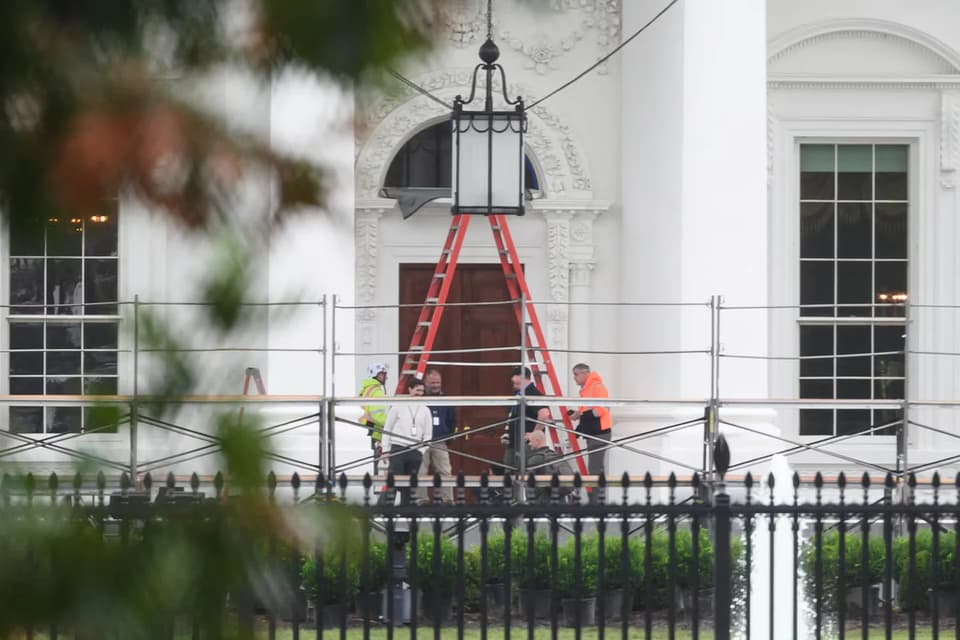
President Donald Trump hosted Chinese President Xi Jinping and his wife, Peng Liyuan, for a state dinner at the White House on September 24, 2026. The event, held in the East Room, featured a menu blending Chinese and French influences, curated by First Lady Melania Trump. The guest list included major technology executives, and the dinner served as a reciprocal gesture to Xi’s May visit to Beijing.
Key points
- The dinner took place in the White House East Room, as the new ballroom is still under construction.
- The menu included yellow squash velouté, sesame-crusted sea bass, and vanilla crémeux dessert.
- Notable guests included tech leaders Sam Altman, Elon Musk, and Jensen Huang.
- Trump presented Xi with an eagle statue, while Xi did not offer a public gift in return.
- The event followed a three-day state visit that included discussions on Taiwan, trade, and AI.
Background
This state dinner is part of a broader diplomatic engagement between the U.S. and China, which has seen increased tensions over trade and technology. Previous coverage noted that Xi’s visit aimed to test Trump’s diplomatic approach amid ongoing U.S.-China rivalry. The event also follows Xi’s earlier global diplomacy sprint, which positioned China as a stable counterweight to the U.S.
How outlets are covering it
The Washington Post emphasized the culinary aspects of the dinner, highlighting the blend of Chinese and French influences in the menu. WRAL focused on the tech-heavy guest list and the fashion choices of attendees, noting the presence of billionaires and business leaders. Yahoo’s coverage was less detailed but aligned with the general narrative of the event’s significance in U.S.-China relations.
Why it matters
The state dinner underscores the importance of personal diplomacy in U.S.-China relations, even as substantive policy discussions on trade and AI continue. The presence of tech leaders signals the centrality of technology in bilateral relations, while the culinary choices reflect an effort to bridge cultural differences.
What to watch
The White House ballroom is expected to be completed within a year, and future state dinners may feature more grandiose settings. Ongoing U.S.-China discussions on trade and AI are likely to continue, with potential impacts on global markets and technology policy.
- See the menu for Trump’s state dinner with China’s Xi Jinping washingtonpost.com
- Trump's state dinner for Xi to feature sea bass and a long list of tech titans WRAL
- 'Toast to Peace'. Crusted sea bass, baby bok choy on Trump-China dinner menu Yahoo
- Melania Surfaces to Revel in Lavishly Sucking Up to Dictator The Daily Beast
- Here’s what’s on the White House’s state dinner menu for Xi Jinping thehill.com
Want the full story? Read the original reporting
Read on washingtonpost.com