
21-year-old athlete dies after taking counterfeit pill containing potent nitazene
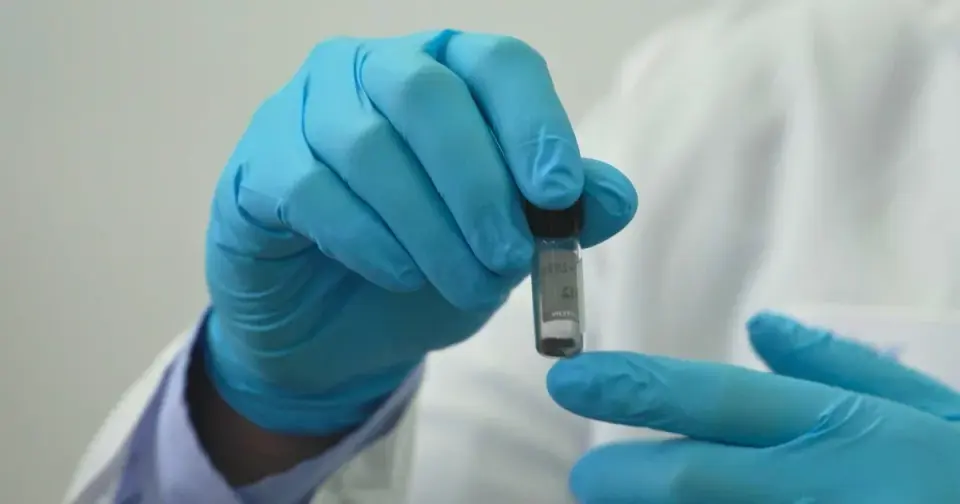
A 21-year-old athlete died after consuming a counterfeit pill containing a nitazene, a synthetic opioid up to 80 times more potent than fentanyl. A 60 Minutes investigation reveals that drug cartels are industrializing the production of these novel substances by tweaking existing molecular structures, creating a revolving door of new, initially legal drugs that outpace federal regulation.
Key points
- Broughton Qua Broughton, a 21-year-old former athlete, died after taking pills purchased via social media that contained a nitazene.
- His mother, Frederica Roberson, attempted to revive him using naloxone and CPR, but he did not survive.
- Nitazenes are a class of novel synthetic opioids that can be up to 80 times more potent than fentanyl.
- Forensic toxicologist Alex Krotulski, who first identified nitazenes in the U.S. supply, notes that his lab is on track to identify 50 new drugs this year.
- DEA Administrator Terrance Cole states that cartels have the resources to hire top chemists to create these deadly substances.
- The production process involves ordering chemical precursors from China and India, shipping them to labs in Canada and Mexico, and then pressing the resulting powder into pills for distribution in the U.S.
Background
This incident follows a series of recent reports on the dangers of novel synthetic opioids. In late October, San Francisco confirmed its first death from a synthetic opioid hidden in supplements, while experts warned that cychlorphine, another new synthetic opioid, had already caused 55 deaths in the U.S. Additionally, the DEA recently dismantled its first known nitazene synthesis laboratory in Baton Rouge, seizing equipment valued at $250,000 and charging the suspect with drug and money laundering offenses. These events highlight a broader trend of illicit chemists creating increasingly potent and hard-to-detect substances.
Why it matters
The emergence of nitazenes and similar synthetic opioids represents a critical public health crisis that traditional drug enforcement strategies struggle to address. The ability of cartels to rapidly modify molecular structures creates a constant stream of new, unregulated substances that are often far more potent than fentanyl. This dynamic not only increases the lethality of the drug supply but also complicates forensic identification and emergency medical response, as standard drug tests and single-dose naloxone treatments may be ineffective against these novel compounds.
What to watch
Federal agencies, including the DEA, will continue to attempt to regulate precursor chemicals and dismantle clandestine labs, though they face significant challenges due to the global supply chain and the rapid evolution of drug chemistry. Forensic labs will likely continue to identify new synthetic opioids, while public health officials will issue warnings about the dangers of purchasing pills from unverified online sources. The cycle of new drug emergence and subsequent regulation is expected to continue, requiring constant adaptation from law enforcement and medical professionals.
Want the full story? Read the original reporting
Read on CBS News