
Cal/OSHA Imposes $151,300 Fines on Blackbird Mountain Guides Following Deadly Tahoe Avalanche
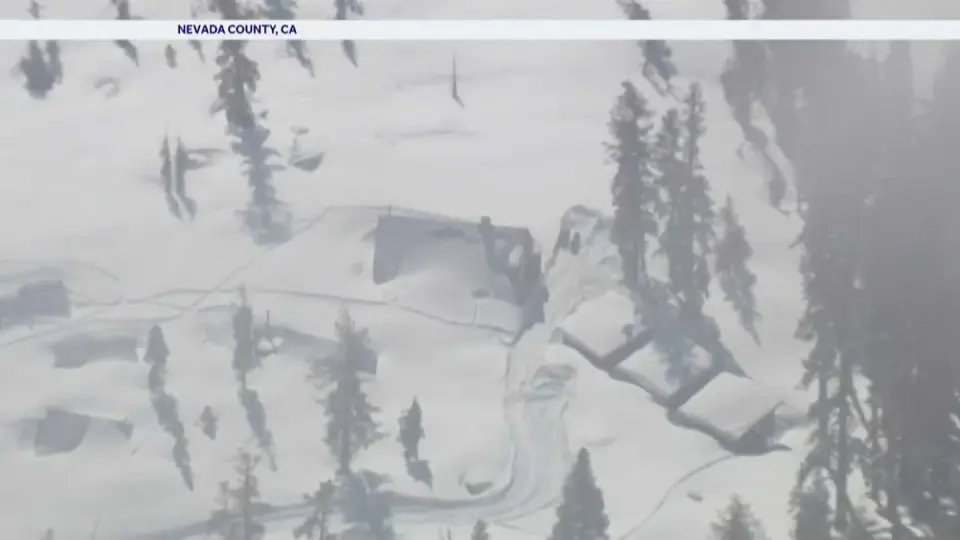
California regulators have fined ski guide company Blackbird Mountain Guides $151,300 for safety violations linked to a February 2026 avalanche that killed nine people. The penalties, issued on August 12, cite failures to assess hazards, provide training, and report fatalities. The company plans to appeal, arguing that backcountry guiding requires dynamic risk management distinct from standard industrial safety protocols.
Key points
- The California Division of Occupational Safety and Health (Cal/OSHA) issued six citations totaling $151,300 to Blackbird Mountain Guides on August 12, 2026.
- The largest penalty, $81,000, is for willfully failing to remove employees from high-danger avalanche terrain during a multi-day trip near Frog Lake Huts.
- Other violations include inadequate hazard assessment, insufficient training, lack of protective equipment, and failure to report three employee deaths within eight hours.
- The avalanche on February 17, 2026, killed six clients and three guides, marking the deadliest avalanche in California's recorded history.
- Blackbird Mountain Guides intends to appeal the fines, stating the citations do not reflect the realities of professional mountain guiding in dynamic wilderness environments.
- A criminal investigation by the Nevada County District Attorney is ongoing, with no charging decision announced as of late August 2026.
Background
This incident follows a broader national trend of scrutiny regarding safety standards in high-risk outdoor professions. In August 2026, an avalanche in Pakistan killed six Nepali guides and climber Nirmal Purja, highlighting the inherent dangers of high-altitude guiding. Simultaneously, California has intensified workplace safety enforcement in other sectors, such as a surge in silicosis cases linked to quartz countertop fabrication and sanitation violations at airline catering facilities. These events underscore a growing regulatory focus on preventing fatal workplace accidents across diverse industries.
How outlets are covering it
KCRA and The Sacramento Bee both report the $151,300 fine and the company's intent to appeal, but they emphasize different aspects of the dispute. KCRA focuses on the specific regulatory violations and the list of victims, presenting the fines as a direct consequence of the tragedy. The Sacramento Bee provides deeper context on the technical disagreements, noting that Cal/OSHA alleged the company failed to mitigate risks by combining tour groups and traveling during a forecasted blizzard. The Bee also highlights a former guide's criticism that Cal/OSHA investigators lacked avalanche expertise and that the company's independent report found no internal failings, suggesting the group simply strayed off-route. The Bee further notes that the use of certain safety equipment, like the AvaLung, is debated among backcountry skiers, adding nuance to the 'failure to provide equipment' citation. Both sources agree that the company maintains it operated in compliance with industry standards, but The Bee offers more detail on the rescue efforts and the ongoing criminal investigation.
Why it matters
The fines signal a potential shift in how California regulators approach safety standards for outdoor guiding companies, which have traditionally operated under different frameworks than industrial workplaces. If the appeal fails, it could set a precedent for stricter enforcement of avalanche risk management and emergency response protocols in backcountry settings. The outcome may also influence the behavior of other guide companies regarding risk assessment and rescue participation, potentially impacting the availability of trained guides for future emergencies. The case highlights the tension between dynamic, real-world wilderness conditions and static regulatory requirements, which could lead to broader discussions about how to regulate high-risk professions effectively.
What to watch
Blackbird Mountain Guides will formally appeal the Cal/OSHA fines, likely through administrative hearings or legal channels. The Nevada County District Attorney is reviewing the case file and will determine whether to file criminal charges against individuals or the company. Cal/OSHA's Bureau of Investigations will continue its separate criminal investigation. The outcome of the appeal and criminal proceedings will determine if the fines are upheld, reduced, or overturned, and may result in additional penalties or safety mandates for the company. The company may also face civil lawsuits from the families of the victims, though this is not mentioned in the current sources. The broader industry may see increased scrutiny of avalanche safety protocols and training requirements in response to the regulatory actions.
- Blackbird Mountain Guides faces $150K in fines over state's deadliest avalanche KCRA
- Guide Company That Ran Fatal Ski Trip Faces Safety Fine in California The New York Times
- California cites Tahoe guide company over avalanche that killed 9 San Francisco Chronicle
- Cal-OSHA fines guide company in deadly Tahoe avalanche Sacramento Bee
- Guiding Company Fined by California for Tahoe Avalanche Deaths KQED
Want the full story? Read the original reporting
Read on KCRA