
From 9/11 Panic to Perpetual Watch: NYC’s Surveillance Network Expands
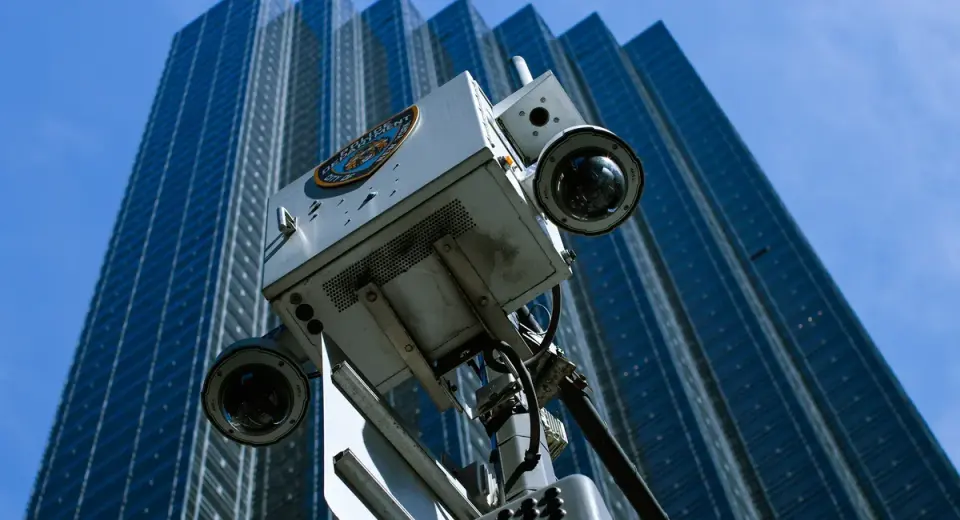
Twenty-five years after the September 11 attacks, New York City’s surveillance infrastructure has evolved from a targeted anti-terrorism measure into a pervasive, citywide monitoring system. The NYPD’s Domain Awareness System now integrates over 80,000 cameras, license plate readers, and acoustic sensors, including feeds from private businesses and public housing. While officials cite crime reduction, civil liberties groups argue the system violates Fourth Amendment protections and lacks transparency. The expansion, fueled by post-9/11 funding and public acceptance, has normalized constant surveillance, with new initiatives like 'Connect New York' adding thousands of private cameras to the network.
Key points
- The NYPD’s Domain Awareness System now processes data from more than 80,000 cameras, including private CCTV and doorbell devices, alongside license plate readers and acoustic sensors.
- The 'Connect New York' initiative, launched in 2024, has added over 5,500 private cameras to the network through partnerships with firms like Axon Fusus.
- The city is attempting to link another 20,000 cameras in New York City Housing Authority complexes to the system, a move facing legal challenges from tenant associations.
- A 2025 report by the Surveillance Technology Oversight Project claims the system circumvents Fourth Amendment protections by creating a 'dragnet' around the city.
- NYPD policy allows indefinite retention of data in the Domain Awareness System, while some closed-circuit footage must be deleted after 30 days.
Background
This development follows a broader national trend where post-9/11 security measures have expanded beyond their original scope. Our archive notes that similar private surveillance networks, such as those funded by Texas’s insurance fees or Florida’s state orders, have faced mixed compliance and privacy concerns. The current NYC expansion mirrors these patterns, where initial anti-terrorism justifications have evolved into tools for street crime monitoring and mass data collection.
How outlets are covering it
Gothamist emphasizes the normalization of surveillance among younger generations and the lack of public pushback, citing former NYPD captain Joseph Pascarella. The Atlantic and Axios frame the post-9/11 era as a period of 'over-learning' security lessons, where panic led to draconian laws and expanded surveillance powers that have persisted despite shifting public attitudes. BBC highlights the broader intelligence failures and strategic miscalculations of the last 25 years, noting that while some lessons were learned, others, like the rise of China and Russia, were missed. Civil liberties advocates, represented by the Surveillance Technology Oversight Project, argue that the NYC system’s indefinite data retention and lack of transparency violate constitutional rights, while NYPD officials maintain that the cameras are critical for public safety and crime prevention.
Why it matters
The expansion of NYC’s surveillance network illustrates the long-term consequences of post-9/11 security policies, where initial emergency measures have become permanent infrastructure. The integration of private cameras into public law enforcement systems raises significant questions about privacy, data retention, and accountability. As technology advances, the line between public and private surveillance blurs, potentially setting a precedent for other cities and influencing national security strategies. The ongoing legal and political debates over facial recognition and data transparency highlight the tension between security and civil liberties in the digital age.
What to watch
The City Council is expected to continue its efforts to regulate private surveillance and facial recognition, with legislation to ban biometric tools in buildings currently stalled. The NYPD’s revised facial recognition policy, published in February, will be monitored for compliance. Legal challenges from tenant associations regarding the inclusion of public housing cameras in the Domain Awareness System are likely to proceed, potentially setting precedents for data privacy in public spaces. Civil liberties groups will continue to push for greater transparency and accountability in the use of surveillance data, while the city may face pressure to implement stricter data retention limits and oversight mechanisms.
- ‘Assume there’s a camera now’: How 9/11 spurred NYC’s vast private surveillance network Gothamist
- Opinion | The Next Terrorist Attack Is Predictable The New York Times
- A Quarter Century of Panic theatlantic.com
- 9/11's national security legacy, 25 years later Axios
- Spies, strategies and missed opportunities: How the lessons of 9/11 are still being learnt BBC
Want the full story? Read the original reporting
Read on Gothamist