
25 Years Later: Americans Recall 9/11 Through Generational Lenses
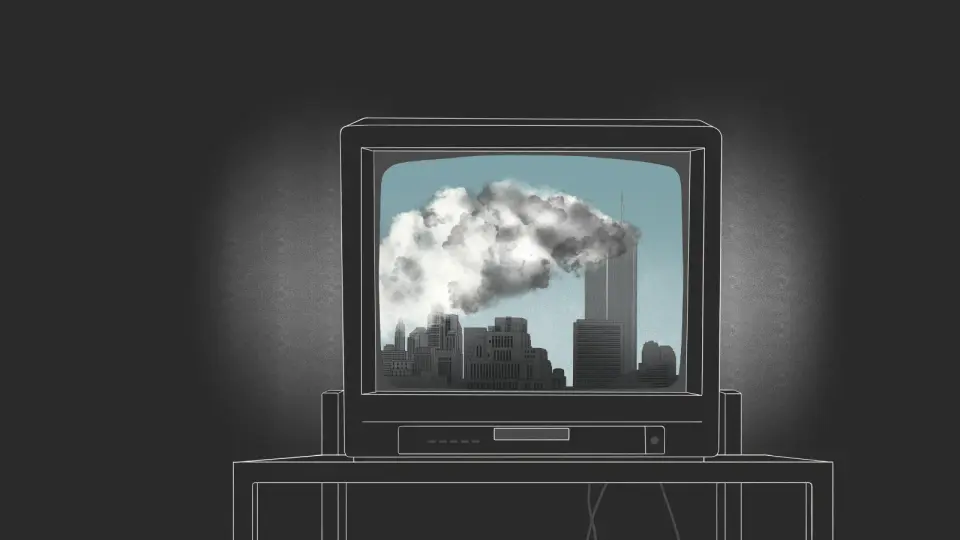
As the 25th anniversary of the September 11 attacks approaches, Americans across generations recall the day through distinct personal lenses, ranging from immediate trauma to long-term societal shifts. While some remember the physical chaos of the attacks, others recall the subsequent changes in security, travel, and national cohesion. The event remains a pivotal moment that continues to shape American identity and political discourse.
Key points
- USA TODAY interviewed individuals from the Greatest Generation to Gen Z, highlighting how age and location shaped their initial reactions and long-term impacts.
- The Atlantic notes that the post-9/11 era sparked a brief, intense national unity that has since eroded, contrasting with current political divisions.
- Many respondents cited lasting changes in daily life, such as heightened security, altered travel habits, and persistent anxiety regarding public spaces and crowds.
- For younger generations, the attacks are often understood through secondary sources or family narratives, influencing their views on immigration and anti-Muslim sentiment.
- The event is viewed by some as a catalyst for civic engagement and kindness, while others see it as a turning point for fear and polarization.
Background
The 25th anniversary of the September 11, 2001 attacks, has prompted renewed public reflection on the event's legacy. Recent initiatives, such as Gary Sinise’s 'We Remember' campaign, aim to educate younger generations about the attacks through educational trips and curriculum changes. This current wave of remembrance coincides with a broader national conversation about how the event defined the early 21st century and continues to influence American society.
How outlets are covering it
USA TODAY emphasizes the personal, generational diversity of memories, illustrating how the attacks impacted individuals from toddlers to the elderly through specific anecdotes of fear, confusion, and adaptation. In contrast, The Atlantic focuses on the macro-level political and social consequences, arguing that the unity forged in the aftermath of 9/11 has since disintegrated, leaving a nation more divided than before. While USA TODAY highlights individual resilience and adaptation, The Atlantic critiques the failure to sustain the collective spirit that emerged in the immediate aftermath.
Why it matters
Understanding how 9/11 is remembered across generations provides insight into the enduring psychological and social impacts of the attacks. It highlights the shift from immediate trauma to long-term cultural and political changes, including debates over security, immigration, and national unity. These memories continue to influence current policies and public sentiment, making the anniversary a significant moment for national reflection.
What to watch
As the 25th anniversary approaches, public commemorations and educational initiatives are expected to increase, focusing on preserving the memory of the attacks for younger generations. There may be renewed discussions about the long-term effects of post-9/11 policies on civil liberties, security, and social cohesion. The contrast between the unity of 2001 and the current political climate may also fuel debates about how to foster national cohesion in the future.
- Generations of Americans remember exactly where they were on 9/11 usatoday.com
- Did 9/11 Really Change Everything? The New York Times
- The ‘shared horrific experience’ of 9/11, and its aftermath – in quotes The Guardian
- We Are Still Living in the Broken World Sept. 11 Created Bloomberg.com
- New York, 25 Years Later theatlantic.com
Want the full story? Read the original reporting
Read on usatoday.com