
MLB Abandons Grand Teton Ballpark Proposal After Local Backlash
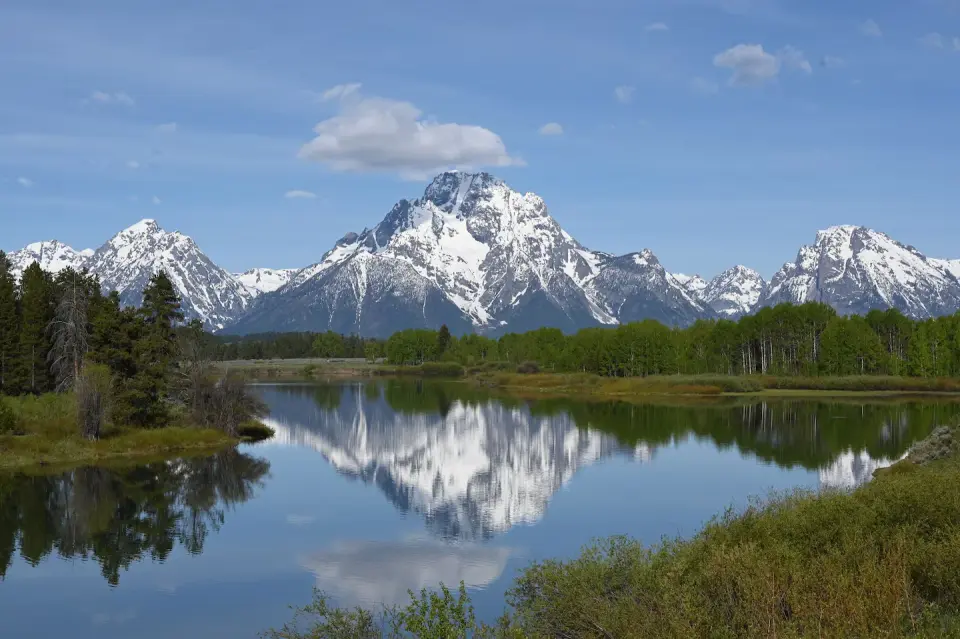
Major League Baseball has dropped its proposal to host a game at Grand Teton National Park. The move follows intense opposition from local leaders and conservation groups after The Washington Post reported that MLB officials had approached the Trump administration and a National Park Service official had scouted potential sites in Wyoming.
Key points
- MLB officials approached the Trump administration regarding the viability of playing a game at Grand Teton National Park.
- National Park Service Deputy Director Frank Lands scouted three potential locations within the park, including one described as already disturbed land.
- Local leaders sent letters on Monday to Interior Secretary Doug Burgum and MLB Commissioner Rob Manfred expressing strong opposition.
- The White House stated the initiative was not a presidential directive or an administration priority, but rather driven by MLB.
- The proposal drew criticism for potentially disrupting wildlife habitats and violating the sanctity of national parks.
Background
This development follows earlier reports from late September 2026 that MLB was exploring national park venues, with Grand Teton emerging as a primary candidate. At that time, the 2027 schedule was already finalized, making 2028 the earliest possible date for such an event. The controversy also follows a similar proposal regarding Yosemite National Park, which was exposed by The Washington Sun in late August 2026. Conservation groups had already begun opposing these initiatives as radical departures from traditional park management.
How outlets are covering it
The Washington Post reported that MLB abandoned the proposal after local leaders sent letters of strong opposition to Interior Secretary Doug Burgum and MLB Commissioner Rob Manfred. The National Parks Conservation Association (NPCA) demanded that the Department of Interior publicly reject the idea, stating that national parks should not be used for private profit. NPCA President Tiernan Sittenfeld emphasized the need for full funding and staffing rather than harmful proposals. In contrast, the White House maintained that the scouting mission was not a presidential directive or an administration priority, suggesting the initiative was driven solely by MLB. ESPN's source was unavailable due to a 403 error, so no perspective could be extracted from that outlet. Montana Free Press highlighted visitor reactions, with many expressing disbelief and calling the idea a field of nightmares, while some former residents offered humorous suggestions for stadium placement facing the Tetons.
Why it matters
The abandonment of the proposal signals a significant shift in how MLB and the Trump administration handle interactions with protected federal lands. It underscores the power of local opposition and conservation advocacy in halting controversial initiatives. The incident also highlights ongoing tensions between private interests seeking access to national parks and the public's expectation that these areas remain preserved for natural beauty and wildlife protection. The White House's denial of involvement may reflect a strategy to distance the administration from controversial proposals while still allowing agencies to explore them.
What to watch
MLB is expected to continue exploring other venues for special events, potentially including other national parks or historic sites. The National Park Service may face increased scrutiny regarding its interactions with private entities seeking access to protected lands. Conservation groups will likely continue to monitor and oppose any future proposals that threaten the integrity of national parks. The incident may also lead to stricter regulations or clearer guidelines regarding the use of national park lands for commercial or entertainment purposes.
- MLB drops proposal to host a baseball game at Grand Teton National Park The Washington Post
- Rob Manfred -- MLB won't consider game at Grand Teton park ESPN
- Grand Teton National Ballpark? Visitors call it a field of nightmares. Montana Free Press
- No Baseball Stadium in Grand Teton, Now or Ever. National Parks Conservation Association
- Proposal to hold Major League Baseball game in Grand Teton national park sparks backlash theguardian.com
Want the full story? Read the original reporting
Read on The Washington Post