
NFL Teams Avoid Columbus Day, Sparking Backlash Over Indigenous Peoples' Day Posts
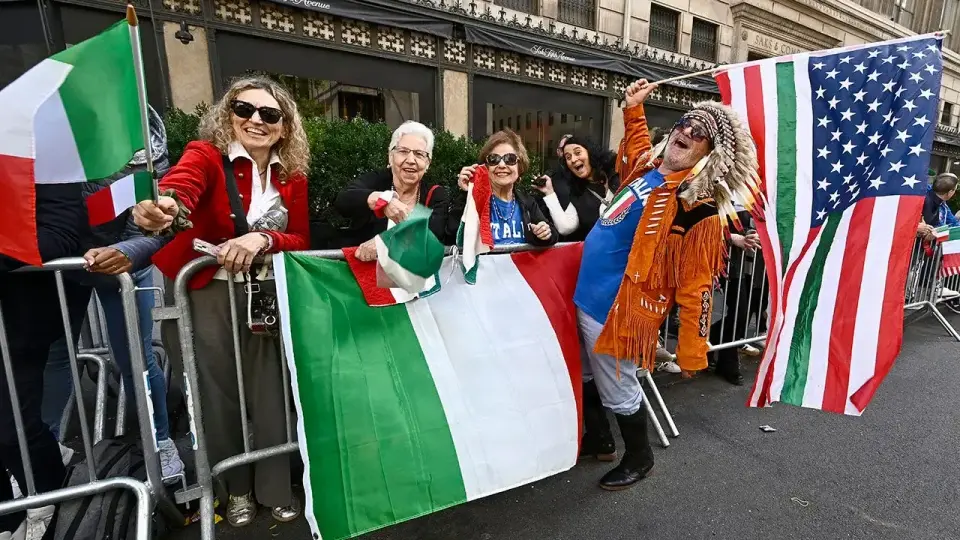
On the federal holiday of Columbus Day, no NFL team or the league itself acknowledged the date on social media. While 29 teams remained silent, the Minnesota Vikings, Kansas City Chiefs, and Los Angeles Rams posted tributes to Indigenous Peoples' Day, a non-federal holiday. These posts triggered significant backlash from fans, with critics noting the irony of the Vikings' name and disputing the political framing of the holiday. The silence from most teams suggests a desire to avoid the political controversy surrounding the date, especially as President Trump has actively promoted Columbus Day and the restoration of his statues.
Key points
- No NFL team or the league itself acknowledged Columbus Day on social media, marking at least the second consecutive year of such silence.
- The Minnesota Vikings, Kansas City Chiefs, and Los Angeles Rams were the only teams to post tributes to Indigenous Peoples' Day.
- The Vikings' post drew criticism for the team's name, with fans pointing to the historical actions of Vikings as 'conquering outsiders.'
- The Chiefs' post, which thanked the America Indian Community Working Group, faced backlash from fans who identified as Native American but supported Columbus Day.
- The Rams' post received pushback from fans who framed Columbus as an immigrant and criticized the team's political stance.
- President Trump recently issued a Columbus Day proclamation praising Columbus and demanded the restoration of his statue in Ohio, framing the removal of such monuments as 'plunder' by the 'radical left.'
Background
The debate over Columbus Day has intensified in recent years, with some advocating for Indigenous Peoples' Day to acknowledge the impact of European colonization on Native Americans. The NFL's silence on the holiday this year follows a trend of avoiding political hot potatoes, as seen in previous years with other holidays. The controversy is further complicated by historical facts, such as the Indian Removal Act of 1830, signed by Democrat Andrew Jackson, and the establishment of Columbus Day in 1934 by Democrat Franklin D. Roosevelt, which some argue undermines the political framing of the issue.
Why it matters
The NFL's decision to avoid acknowledging Columbus Day highlights the growing political polarization surrounding the holiday and the broader debate over how to commemorate American history. The backlash faced by teams that chose to recognize Indigenous Peoples' Day underscores the sensitivity of the issue and the potential for public criticism, regardless of the team's intent. This incident reflects the broader cultural and political tensions in the United States, where historical figures and holidays are increasingly contested as symbols of national identity and values.
What to watch
The NFL and its teams may continue to avoid acknowledging Columbus Day or Indigenous Peoples' Day in the future, given the potential for backlash. The debate over the holiday is likely to persist, with political figures and public figures taking sides and using the issue to advance their agendas. The NFL's silence may also reflect a broader trend of sports organizations avoiding political issues, as they seek to maintain a neutral stance and avoid alienating fans.
Want the full story? Read the original reporting
Read on Fox News