
Judge rejects xAI bid to pause Minnesota’s AI nudification ban
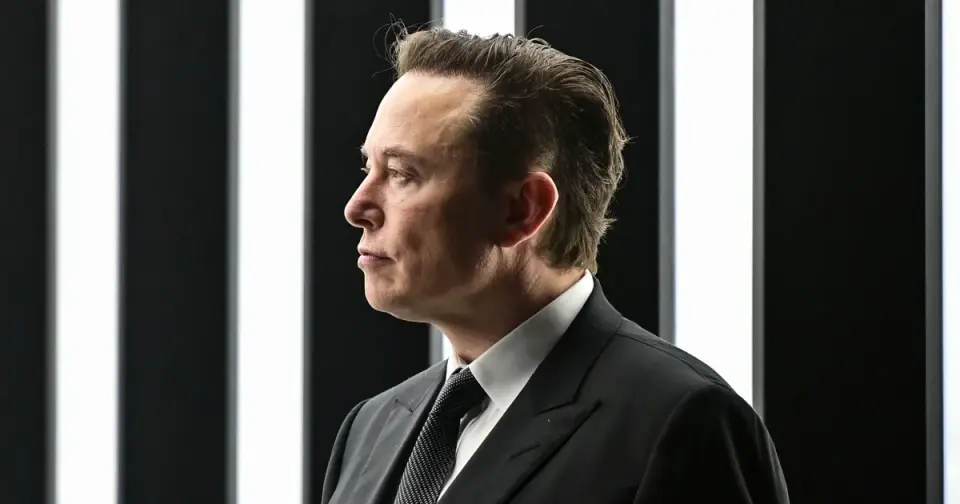
A federal judge denied Elon Musk’s xAI a request to block Minnesota’s new law banning AI-generated nude images, ruling that the company waited too long to file its emergency motion. The law, which takes effect August 1, prohibits platforms from allowing users to 'nudify' images of others and imposes civil penalties up to $500,000 per violation. While xAI argues the law violates free speech rights by covering consensual or artistic content, the court noted that xAI’s delayed filing suggests no immediate harm. A hearing on a preliminary injunction is scheduled for August 19, as the state defends the measure as a necessary tool to protect victims of non-consensual deepfakes.
Key points
- U.S. District Judge Donovan Frank denied xAI’s motion to pause the Minnesota nudification ban, citing the company’s three-month delay in filing the lawsuit.
- The law, signed by Gov. Tim Walz in May, prohibits platforms from enabling users to generate realistic nude images of identifiable individuals without consent.
- Violations carry civil penalties up to $500,000 per instance, plus potential damages for mental anguish and attorney fees.
- xAI argues the law is overbroad, claiming it restricts protected speech, including artistic or political satire, and lacks a safe harbor for good-faith technical controls.
- A hearing on a preliminary injunction is scheduled for August 19, with the law set to take effect on August 1.
- Minnesota Attorney General Keith Ellison argued that xAI’s voluntary delay created a 'manufactured emergency' and that the state has a compelling interest in preventing non-consensual intimate imagery.
Background
This dispute follows months of global scrutiny over Grok, xAI’s chatbot, which faced backlash for generating sexualized deepfakes. In January, Apple threatened to remove Grok from its app store, and in April, the tool was still producing non-consensual images despite new restrictions. The Minnesota law was passed with near-unanimous support in the state legislature, reflecting a broader trend of U.S. jurisdictions regulating AI-generated deepfakes. Earlier this month, xAI began suing users who allegedly circumvented its safeguards to create child sexual abuse material, a move it cited as evidence of its commitment to safety.
How outlets are covering it
NBC News and Ars Technica highlight xAI’s First Amendment arguments, noting the company claims the law penalizes consensual or artistic content and imposes excessive liability without a safe harbor. Ars Technica emphasizes xAI’s argument that the law’s definition of 'intimate parts' is too broad, potentially covering benign images like men in swimwear. MS NOW frames the lawsuit as an obstacle to protecting victims, noting that xAI’s parent company, SpaceX, faces class action lawsuits from alleged victims. The ACLU of Minnesota, which initially supported the law, now criticizes its final version for failing to balance free speech with victim remedies. All sources agree that the law’s penalties are severe, with xAI warning that a single violation could lead to millions in fines, while the state maintains that the law is necessary to prevent harm to victims of non-consensual deepfakes.
Why it matters
The outcome of this case could set a precedent for how states regulate AI-generated content, particularly in balancing free speech protections with the need to prevent non-consensual intimate imagery. If the law stands, it may force AI companies to implement stricter controls on image generation, potentially affecting the availability of AI tools for artistic or political expression. Conversely, if the law is struck down, it could limit states’ ability to regulate AI platforms, leaving victims of non-consensual deepfakes without legal recourse. The case also highlights the tension between AI companies’ desire for safe harbors and the public’s demand for accountability in the face of harmful AI outputs.
What to watch
A hearing on a preliminary injunction is scheduled for August 19, where the court will decide whether to pause the law’s enforcement. If the law takes effect on August 1, xAI may be forced to restrict Grok’s image-editing features to avoid penalties. The case could also influence other states’ efforts to regulate AI-generated deepfakes, as jurisdictions like San Francisco have already taken action against app stores hosting nudification tools. xAI may continue to challenge the law in court, while the state of Minnesota is expected to defend the measure as a necessary tool to protect victims of non-consensual intimate imagery.
- Judge denies request by Elon Musk’s xAI to pause Minnesota nudification ban NBC News
- Judge denies restraining order to stop Minnesota AI nudification law kare11.com
- Opinion | Musk makes himself an obstacle to Minnesota’s anti-deepfake law MS NOW
- Elon Musk’s xAI is trying to sue its way out of a Grok reckoning Ars Technica
- 'Creep': Minnesota leaders respond to xAI suit over ban on 'nudification' tech statesman.com
Want the full story? Read the original reporting
Read on NBC News