
xAI Challenges Minnesota's AI Nudification Ban in Federal Court
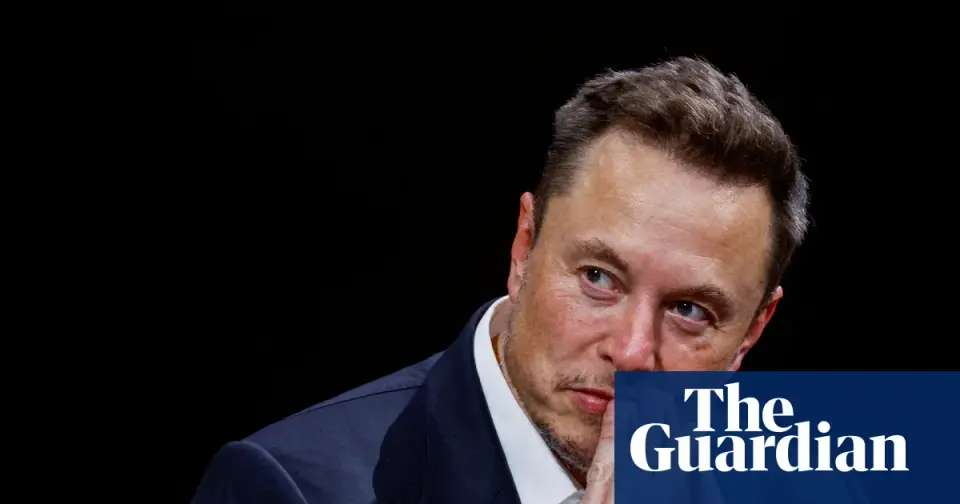
Elon Musk’s xAI has filed a federal lawsuit to block Minnesota’s first-in-the-nation ban on AI nudification technology, arguing the law violates First Amendment rights and imposes excessive penalties. The statute, which takes effect August 1, targets apps that generate non-consensual sexualized imagery, levying fines of up to $500,000 per violation. xAI contends the law is overbroad, covering consensual and artistic content, while Minnesota defends it as a necessary measure against harmful AI outputs.
Key points
- xAI sued Minnesota in federal court on Monday, days before the state’s anti-nudification law takes effect on August 1.
- The law bans apps and websites that allow users to generate non-consensual sexualized imagery, imposing fines of up to $500,000 per violation.
- xAI argues the law violates First Amendment protections by covering consensual, artistic, and educational content, and lacks a safe harbor for companies that enforce user restrictions.
- Minnesota Attorney General Keith Ellison stated that AI-generated nude images without consent are appalling and cause immense harm, defending the law’s necessity.
- The lawsuit follows a global backlash over Grok’s 'spicy mode' and allegations that the platform was used to create child sexual abuse materials (CSAM).
Background
This dispute follows a series of earlier challenges to AI regulation, including a 2025 court challenge by xAI against Minnesota’s law, which survived initial scrutiny. Additionally, xAI has faced a proposed class action lawsuit alleging that Grok was used to create and share CSAM, and a UK MP has sued xAI over non-consensual deepfake images. These events highlight growing tensions between AI developers and regulators over the control of AI-generated content.
How outlets are covering it
The Guardian and CNBC emphasize the constitutional and financial arguments of xAI, highlighting the potential for massive fines and the overbreadth of the law. Ars Technica provides a more critical perspective, noting xAI’s efforts to sue users to establish safe harbor and the company’s reluctance to restrict Grok’s features despite global backlash. Minnesota’s Attorney General, Keith Ellison, counters by emphasizing the severe harm caused by AI nudification and the need for strict regulation, dismissing the debate as unworthy of constitutional challenge. The outlets differ in their tone, with The Guardian and CNBC presenting a more neutral analysis of the legal arguments, while Ars Technica critiques xAI’s strategy and the potential chilling effect on AI innovation.
Why it matters
The outcome of this lawsuit could set a precedent for how states regulate AI-generated content, particularly in balancing First Amendment protections with the need to prevent non-consensual sexual imagery. It may also influence the development of AI tools and the liability of platforms for user-generated content, with potential implications for other states and federal legislation.
What to watch
The case will likely proceed to a federal court hearing, where the constitutionality of Minnesota’s law will be scrutinized. xAI may continue to sue users to establish safe harbor, while Minnesota will defend the law as a necessary measure against harmful AI outputs. The outcome could influence other states’ approaches to AI regulation and the development of AI tools.
- Elon Musk’s xAI sues Minnesota over law banning ‘nudification’ technology The Guardian
- Elon Musk's xAI sues Minnesota over law to ban 'nudify' apps cnbc.com
- Elon Musk’s xAI is trying to sue its way out of a Grok reckoning Ars Technica
- Elon Musk’s AI company sues Minnesota Attorney General Ellison over nudification ban Minnesota Reformer
- Elon Musk’s AI company seeks to block Minnesota ban on AI ‘nudification’ technology Star Tribune
Want the full story? Read the original reporting
Read on The Guardian