
Khanna's sweeping AI bill faces legislative limbo as US-China talks stall
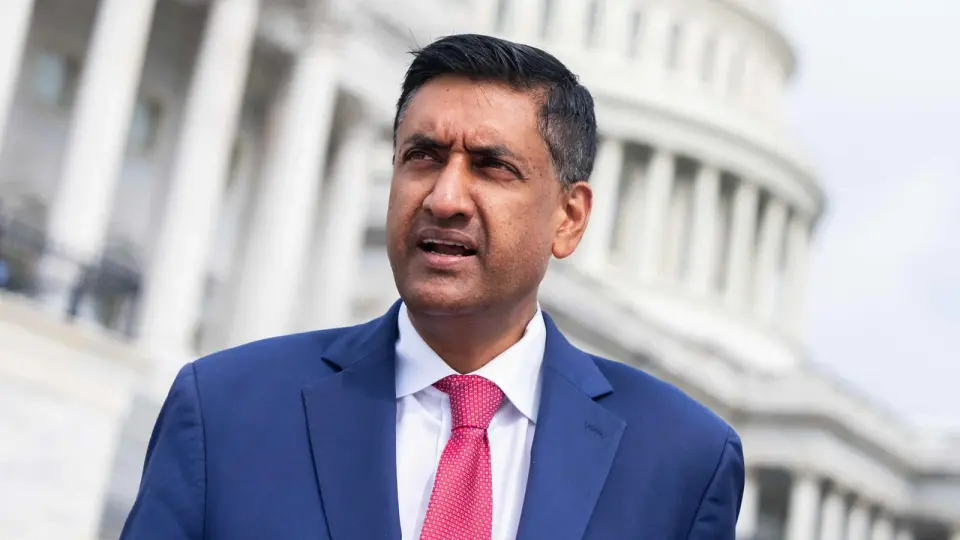
Rep. Ro Khanna is introducing the 'Human Control Over AI Act,' which would ban recursive self-improving AI and create a new federal agency to regulate frontier labs. The proposal arrives amid stalled US-China AI safety talks and a broader congressional deadlock ahead of midterm elections.
Key points
- Khanna's bill bans models that recursively self-improve or autonomously modify core objectives until federal safeguards are approved.
- The legislation proposes a new federal agency to oversee OpenAI, Anthropic, Google DeepMind, and xAI, including licensing, audits, and chip monitoring.
- The bill mandates independent auditors at frontier labs and imposes criminal penalties for disabling safety controls or deploying unauthorized systems.
- Khanna states the bill is modeled on AI safety nonprofits rather than executive demands, aiming to give the safety community a voice.
- No House AI bills are expected to receive a vote until after the midterm election, with the Senate also delaying returns.
Background
Recent months have seen escalating calls for AI regulation, including OpenAI's push for binding UK safety rules and Nvidia's launch of hardware-based safety platforms. In September, the US and China agreed to establish a 'Super Intelligence Dialogue' and a safety incident hotline, though progress was limited.
How outlets are covering it
CNBC highlights the comprehensive nature of Khanna's bill, emphasizing its focus on strict liability and independent oversight. The New York Times notes that China views Western AI doomsday warnings as a ploy to hinder its technological advancement, complicating international cooperation. Politico reports that US-China talks yielded minimal tangible progress on AI, with Trump dismissing existential risks and prioritizing US technological leadership over collaboration. These outlets differ on the urgency of regulation: CNBC and Khanna advocate for immediate, strict safeguards, while the NYT and Politico highlight geopolitical skepticism and executive resistance to stringent controls.
Why it matters
The bill represents a significant attempt to impose federal oversight on frontier AI development, potentially reshaping the regulatory landscape for major tech companies. Its introduction signals a shift toward legislative action, though its passage is uncertain due to political timing and industry opposition.
What to watch
The bill will likely face delays until after the midterm election, as no House AI bills are scheduled for a vote. Meanwhile, US-China AI safety talks are set to resume in November, though progress may remain limited due to unresolved geopolitical tensions.
- Khanna to introduce AI safety bill with ban on 'recursive' technology until safeguards exist CNBC
- Here’s a Comparison of US, China Readouts on Trump-Xi Summit Bloomberg.com
- Zacks Investment Ideas feature highlights: Alibaba, Baidu, Kingsoft Cloud, Tencent, Hesai, Pony AI and WeRide Yahoo Finance
- The Surprising Reasons China Is Skeptical of A.I. Safety Calls The New York Times
- Xi visit delivers coal deal, tariff talks — and plenty of unresolved issues Politico
Want the full story? Read the original reporting
Read on CNBC