technology-and-policy4 min read
Meta indefinitely pauses controversial commercial terms after global legal and regulatory backlash
1 day ago•Source: Nieman Lab
View original source
The latest technology and policy stories, each synthesized from multiple sources with added background and context.
Following a decisive voter rejection of data center expansion in recent midterm elections, major technology companies are restructuring their public relations and financial strategies. Instead of relying on tax breaks and nondisclosure agreements, firms like Amazon, Microsoft, and OpenAI are offering direct community benefits, including school funding and infrastructure cost coverage. This shift aims to secure local approval for a $10 trillion infrastructure buildout while navigating new political constraints.
Marcus on AI | Substack•7 days ago
Ars Technica•9 days ago

SpaceXAI subsidiary MZX Tech is purchasing homes in Southaven, Mississippi, contingent on sellers dropping claims in a noise lawsuit. The offer targets 418 homes in the Colonial Hills neighborhood, with 18 already sold. Residents report constant noise from unpermitted gas turbines powering AI data centers. While the company denies wrongdoing, critics view the buyout as a tactic to weaken legal challenges against its data center expansion.
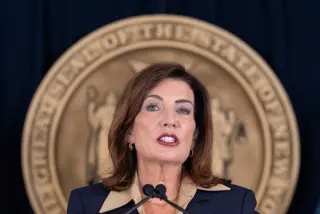
New York Governor Kathy Hochul signed legislation banning specific 'unsafe' AI companion features for users under 18, effective January 1, 2026. The law prohibits chatbots from simulating human relationships, displaying sexually explicit content, or encouraging secrecy and self-harm. Violations may result in lawsuits by the state attorney general, monetary damages, or forced shutdown of the service. This move follows similar actions in California and precedes a broader trend of state-level AI regulation amid federal inaction.

SpaceXAI subsidiary MZX Tech is purchasing homes in Southaven, Mississippi, contingent on sellers dropping claims in a noise lawsuit. The offer targets 418 homes in the Colonial Hills neighborhood, with 18 already sold. Residents report constant noise from unpermitted gas turbines powering AI data centers. While the company denies wrongdoing, critics view the buyout as a tactic to weaken legal challenges and displace renters.

Rep. James Comer has demanded documents from Delaware regarding a proposal to create 'Artificial Intelligence Companies' (AICs), entities managed entirely by AI agents. The plan, developed with private firm Norm Ai, would allow these entities to contract and sue while shielding human owners from liability for AI actions, except in cases of fraud. Critics warn this creates a liability shield for reckless AI, while proponents argue it provides necessary legal structure for autonomous commerce.

Following a $17 billion settlement with Meta, US state attorneys general must define which digital beauty filters constitute harmful 'cosmetic procedures' for minors. While Meta agreed to block extreme transformations, the line between harmful manipulation and harmless fun remains unclear, creating regulatory challenges as beauty standards and AI technology evolve rapidly.

Anthropic has circulated a draft bill to Congress proposing that the federal government can only block an AI model if it poses an imminent risk of killing or seriously injuring more than 50 people or causing over $1 billion in property damage. The proposal, which mirrors California's SB 53, aims to establish a federal standard that could preempt state laws. Critics argue the threshold is too high and would limit emergency shutdowns, while Anthropic defends it as a necessary measure to prevent overreach and ensure consistent national standards.

The US suspension of eight major tech firms from the Permanent Labor Certification (PERM) program has halted green card pathways for thousands of Indian workers. While officials claim this curbs fraud, industry leaders argue it disrupts careers and may drive talent offshore.

President Trump has urged data center operators to pay financial 'dividends' to local communities to secure approval for new facilities, a move aimed at countering growing public opposition ahead of the November midterm elections. While industry leaders like Nebius support the concept in principle, critics argue such payments do not address core concerns regarding water usage, power consumption, and environmental impact. The proposal follows a trend of corporate investments in local infrastructure, including Amazon's recent $1 billion pledge, but remains controversial as residents in some areas have rejected similar financial offers.

New York City has proposed a new regulation requiring companies to disclose when customers are interacting with AI or automated systems and to provide a direct option to reach a human representative. The rule aims to eliminate 'doom loops' where consumers are trapped in unhelpful automated cycles. Violations could result in civil penalties starting at $525 per offense.

The US Department of Homeland Security has publicly enforced a July 2026 order banning DeepSeek AI from federal civilian agencies. The directive requires agencies to remove DeepSeek products and prohibits new procurement, citing risks of data transfer to China and security vulnerabilities. China’s foreign ministry condemned the move as politicized, while the ban excludes the Department of Defense.