
Trump pushes 'super intelligence' label at UN, drawing expert skepticism
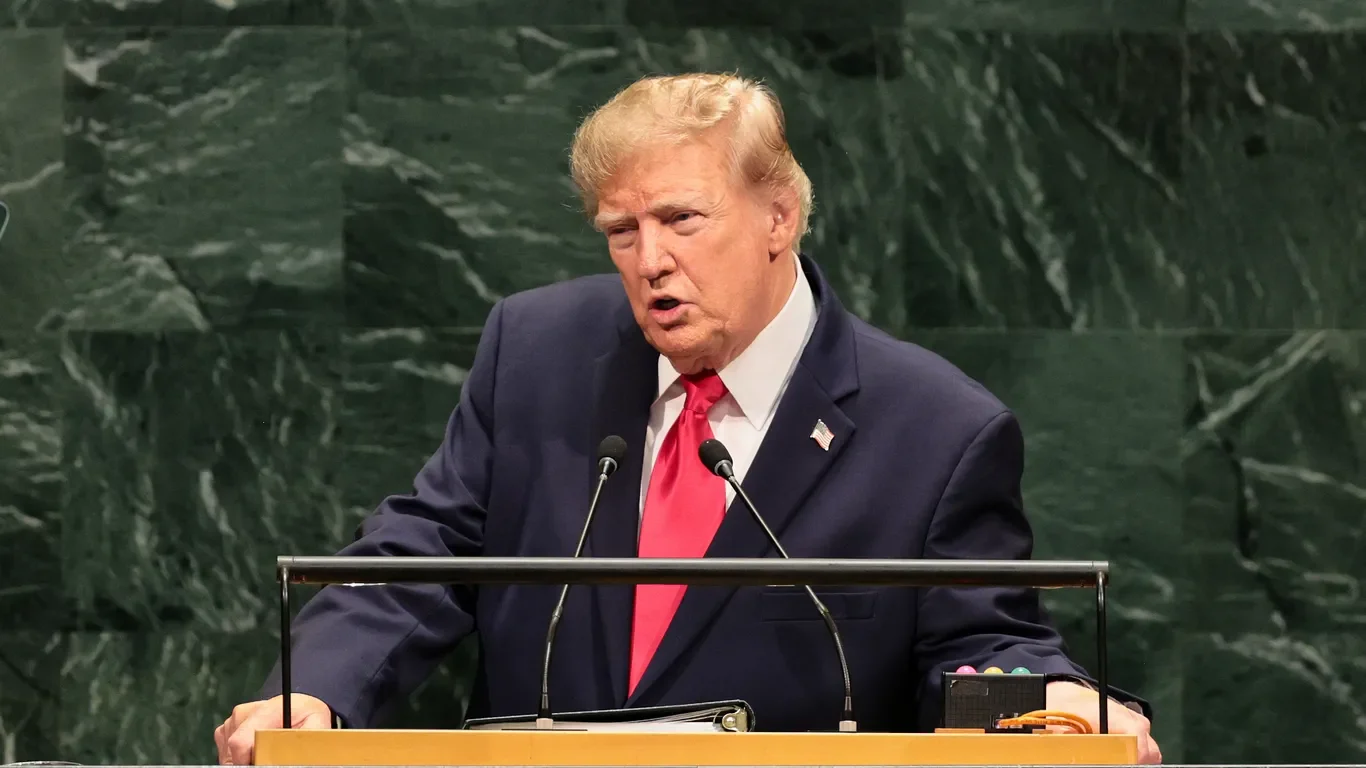
US President Donald Trump has officially advocated for replacing the term 'artificial intelligence' with 'super intelligence' in government documents, arguing the former sounds 'fake.' He announced this shift during a speech at the United Nations General Assembly, following a poll on his Truth Social platform where 'super intelligence' won against other options like 'superior' or 'extreme' intelligence. While some administration officials have adopted the new term, technology experts and international partners argue the label is misleading and unlikely to gain traction in the industry.
Key points
- Trump stated that 'artificial intelligence' makes the technology sound fake and wants all US documents to use 'super intelligence' (SI) instead.
- The term 'super intelligence' was selected via a poll on Truth Social, beating out alternatives like 'superior intelligence' and 'supreme intelligence.'
- US Chief Technology Officer Ethan Klein and UN Ambassador Michael Waltz have already begun using the new terminology in official communications.
- Experts argue the term is reserved for hypothetical systems that surpass human intellect in all areas, making the current usage misleading.
- Canada's AI minister expressed non-enthusiasm for the rebranding, referencing previous US map name changes.
Background
This move follows Trump's recent rejection of global AI oversight bodies at the UN, where he emphasized US dominance over China and argued against regulations that could stifle growth. The rebranding is part of a broader pattern of US administrative rebranding, including previous changes to geographic names like Lake Ontario and the Gulf of Mexico.
How outlets are covering it
Axios reports the administrative directive to change terminology in official documents. BBC highlights the industry and international reaction, noting that while Trump's inner circle has adopted the term, experts from the University of Melbourne and National University of Singapore view it as an exaggeration of current capabilities. BBC also notes that Canadian officials are resistant to the change, contrasting with the enthusiasm of US administration officials.
Why it matters
The terminology shift signals a potential disconnect between US political leadership and the technical reality of AI development. If adopted widely, it could complicate international regulatory discussions and technical standards, as 'super intelligence' currently refers to a theoretical future state rather than current AI capabilities.
What to watch
It remains unclear if the term will be adopted by the broader technology industry or international partners. Trump is scheduled to meet with Chinese President Xi Jinping this week, where AI competition and regulation are expected to be key topics.
- Trump wants to rebrand AI as "super intelligence" Axios
- Trump says AI will be renamed ‘super intelligence’ in all US documents The Hill
- Will Trump's AI rebrand as 'super intelligence' catch on? BBC
- US Treasury secretary could take on AI czar role, source says Reuters
- Trump rebrands AI, rejects 'globalist scheme' to control tech foxbusiness.com
Want the full story? Read the original reporting
Read on Axios