
Oxford joins nationwide Flock exit, but critics warn surveillance persists via new vendors
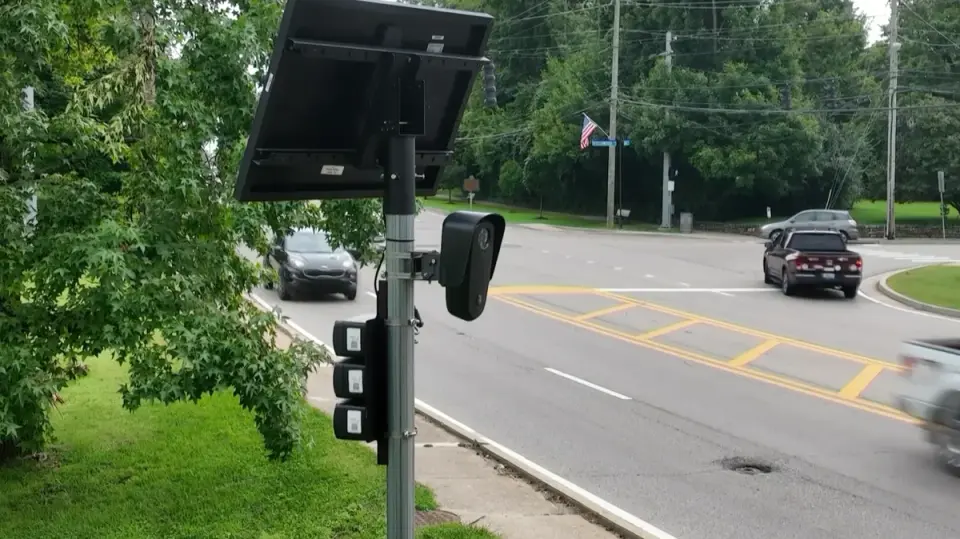
Oxford, Ohio, became the first city in the state to end its contract with Flock Safety, joining a growing list of municipalities across the US dropping the surveillance technology. While local officials cite privacy concerns and public distrust, critics warn that some cities are simply swapping Flock for Axon, another major vendor, without addressing underlying data governance issues.
Key points
- Oxford City Council voted 6-1 to terminate its Flock Safety contract, ending the operation of approximately 14 cameras in the city.
- The decision followed public concerns over constant surveillance and distrust regarding how data collected in Oxford might be used by other jurisdictions.
- Oxford is the first Ohio city to exit the program, following three Northern Kentucky jurisdictions (Fort Mitchell, Newport, and Erlanger) that have also ended their contracts.
- In Longmont, Colorado, the city council approved replacing Flock cameras with Axon ALPRs, a move privacy advocates criticized as a superficial swap that fails to address core surveillance concerns.
- Flock Safety recently reduced its data retention period from 30 days to seven days and introduced new policies to block immigration enforcement searches, though critics deem these changes inadequate.
Background
This development follows earlier scrutiny of Flock Safety’s infrastructure, including concerns about roadside safety hazards in Ohio and a broader national backlash against automated license plate readers (ALPRs). The current trend reflects a shift in local governance regarding mass surveillance, with at least 56 municipalities deactivating or rejecting Flock contracts this year, according to the advocacy group DeFlock.
How outlets are covering it
WLWT highlights Oxford’s vote as a milestone for Ohio, emphasizing that residents value trust in local police but dislike constant surveillance. The Guardian provides a critical counter-perspective, arguing that cities like Longmont and Denver are merely swapping Flock for Axon, a larger police tech company, without resolving the fundamental issue of warrantless surveillance. 5 EYEWITNESS NEWS illustrates the complexity of data sharing, noting that Minnesota agencies vary widely in how many outside agencies they grant access to, ranging from zero to hundreds, which raises questions about interstate data privacy. Arkadelphian.com presents the opposing view from Arkadelphia, where the police chief defends Flock as a necessary tool for solving crimes and preventing abuse, noting that federal searches are excluded in their settings.
Why it matters
The decision by Oxford and other jurisdictions signals a significant shift in public acceptance of automated surveillance technologies. However, the potential replacement of Flock with other vendors like Axon suggests that the underlying infrastructure of mass surveillance may persist, raising ongoing debates about privacy, data ownership, and the effectiveness of local policy changes in curbing technological overreach.
What to watch
Oxford is expected to remove its Flock cameras, though some cities have faced delays in vendor removal, leading to temporary measures like covering cameras with trash bags. In Longmont, the city council is expected to finalize the contract with Axon, with a one-year evaluation period included. Privacy advocates plan to push for stricter data governance and potentially form technology advisory boards to oversee surveillance technologies. Flock Safety will continue to adjust its policies in response to public pressure, while other municipalities will likely continue to evaluate their own contracts and surveillance practices.
- Oxford city council becomes first southwest Ohio jurisdiction to vote to end Flock camera program WLWT
- Their cities dropped Flock surveillance cameras. They’re still being watched The Guardian
- The number of agencies with access to police Flock camera data in Minnesota ranges from zero to hundreds 5 EYEWITNESS NEWS
- Flock cameras staying put in Arkadelphia, police chief says Arkadelphian.com
- Pulaski County Sheriff's Office to stop using Flock cameras KOMU 8
Want the full story? Read the original reporting
Read on WLWT