
Trump administration rebrands AI as 'super intelligence' while marginalizing safety advocates
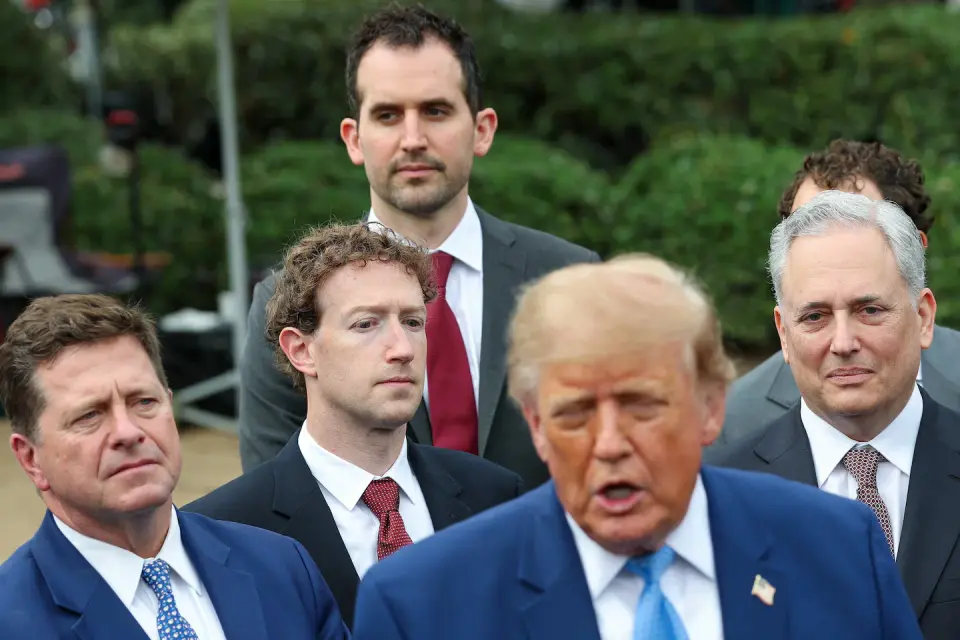
President Trump signed an executive order replacing 'artificial intelligence' with 'super intelligence' in federal communications, arguing the old term implies fakeness. While the administration adopted some safety suggestions, allies like David Sacks are moving to sideline AI safety advocates, labeling their movement as cultish. The rebranding triggered a 2,100% spike in .si domain registrations in Slovenia.
Key points
- Trump signed an executive order on September 29, 2026, mandating the use of 'SI' and 'Super Intelligence' in official government correspondence, websites, and reports, replacing 'AI'.
- The order claims the new terminology better reflects the technology's capabilities, which 'do much more than imitate or automate discrete aspects of human intelligence'.
- Former White House AI adviser David Sacks and other allies are pushing to sideline AI safety advocates, accusing them of being 'cultish' and 'unserious' despite the administration adopting some of their policy suggestions.
- The rebranding caused an 'unprecedented' surge in domain registrations in Slovenia, with .si registrations jumping from under 2,000 in August to 44,000 in September, a 2,100% increase.
- Trump previously dismissed AI safety warnings as a 'hoax' and characterized the technology as a 'Golden Age' opportunity, contrasting with earlier calls from leaders like Sam Altman and Dario Amodei for stricter safeguards.
Background
This development follows a series of actions in September 2026 where Trump dismissed AI safety concerns as a 'hoax' and announced plans to form an 'AI Force' and appoint an 'AI Czar' to accelerate development. Earlier in the month, Trump had called Nvidia CEO Jensen Huang during a company meeting to downplay fears of an AI takeover, framing the technology as a national priority to outpace China. The current executive order and the marginalization of safety advocates represent a shift from merely dismissing warnings to actively restructuring the terminology and political landscape around AI governance.
How outlets are covering it
The Washington Post emphasizes the political maneuvering by Trump allies, such as David Sacks, to sideline AI safety advocates while adopting some of their policy ideas, framing the move as an attempt to discredit the movement itself. Politico focuses on the executive order's rebranding of AI to 'super intelligence,' highlighting Trump's dismissal of safety warnings as a 'hoax' and his characterization of the technology as a 'Golden Age' opportunity. The BBC highlights the unintended global consequences of the rebranding, specifically the 2,100% spike in .si domain registrations in Slovenia, noting that while the increase is 'unprecedented,' the registry is cautious about attributing the entire surge solely to Trump's comments, suggesting speculative domain registration may also be a factor.
Why it matters
The executive order signals a fundamental shift in how the US government frames AI, moving from a focus on 'artificial' limitations to 'super' capabilities, which may influence regulatory approaches and public perception. The marginalization of safety advocates could reduce the influence of those pushing for stricter oversight, potentially accelerating development without robust safeguards. The global impact, as seen in the Slovenian domain surge, demonstrates how US policy can have unexpected international repercussions, while the internal conflict between adopting safety ideas and sidelining their proponents highlights the tension between technological progress and risk management in the current administration.
What to watch
The administration will likely continue to enforce the use of 'SI' and 'Super Intelligence' in federal communications, potentially influencing private sector adoption. The sidelining of AI safety advocates may lead to a reduction in their influence on policy, though the adoption of some of their suggestions suggests a complex dynamic. The domain registration surge in Slovenia may continue or stabilize, depending on speculative market activity. Future developments will likely involve further executive actions or legislative efforts to define and regulate 'super intelligence,' as well as ongoing debates over the role of safety advocates in AI governance.
- They told the world AI was dangerous. Now Trump’s allies are coming for them. The Washington Post
- Trump signs executive order renaming AI to ‘super intelligence’ Politico
- Trump's AI rebrand causes 'unprecedented' demand for Slovenian website names BBC
- How The Billionaires At Trump’s AI Lunch Are Spending On The Midterms Forbes
- As public fears of AI grow, Trump digs in on voluntary safeguards Reuters
Want the full story? Read the original reporting
Read on The Washington Post