
Flock Camera Backlash Reaches Capitol Hill as Cities Cut Ties
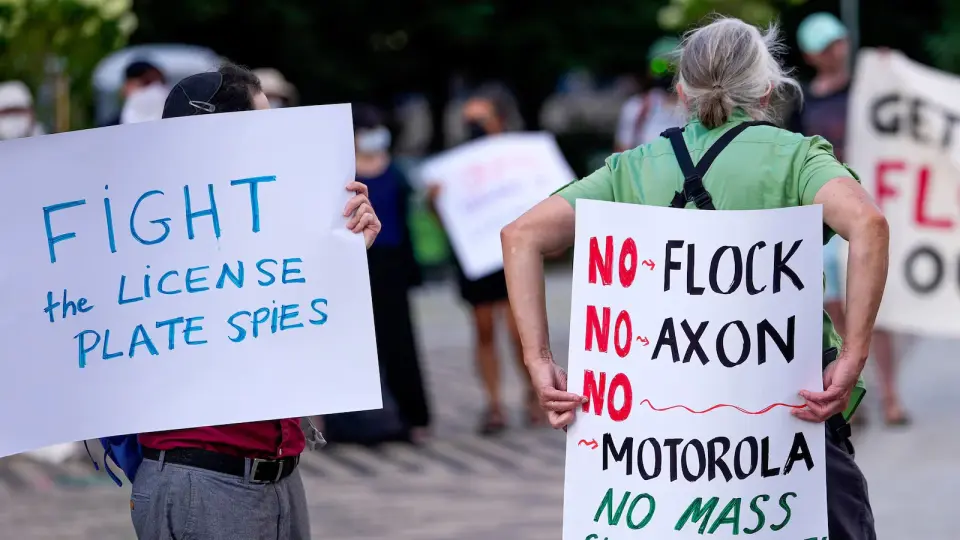
A nationwide wave of protests and vandalism against Flock Safety's license plate cameras has escalated to Capitol Hill. Over 50 jurisdictions have canceled contracts, while lawmakers demand stricter oversight. Critics cite police abuse and privacy risks, while supporters highlight the technology's role in solving crimes.
Key points
- More than 50 cities and counties have canceled or deactivated Flock cameras this year.
- Vandalism against the devices has been reported in at least 36 states.
- Florida revoked local law enforcement access to license plate readers on state highways.
- Senator Josh Hawley announced an investigation into Flock Safety's internal documents.
- Flock Safety reduced its default data retention period from 30 to seven days.
Background
The controversy began in August 2026 when Texas Governor Greg Abbott paused state funding for the cameras. Prior reports indicated that activists were challenging the technology across the political spectrum, citing misuse by officers. Localities like Oviedo, Florida, had already begun reviewing contracts and considering resolutions to discontinue the devices.
How outlets are covering it
ABC News highlights the intensity of the grassroots backlash, noting that ACLU analyst Jay Stanley called it the largest privacy protest in two decades. The outlet emphasizes specific abuse cases, such as a Kentucky officer tracking an ex-partner 2,000 times. Conversely, law enforcement experts like Kenneth Gray from the University of New Haven argue the cameras are vital for solving unsolved crimes and tracking missing persons. While ABC focuses on the emotional and civil liberties aspects, the perspective from surveillance firms emphasizes the practical benefits of the network for public safety. WFMZ.com offers a consumer-focused angle, providing guidance on how individuals can check if their plates have been scanned, reflecting a shift from policy debate to personal privacy management.
Why it matters
The conflict represents a significant test for AI-driven surveillance in the United States. As the technology becomes ubiquitous, the tension between public safety and individual privacy is forcing a re-evaluation of Fourth Amendment rights. The potential for a nationwide ban or strict warrant requirements could set a precedent for how automated data collection is regulated in the coming decade.
What to watch
Lawmakers are expected to push for bipartisan legislation requiring judicial warrants for accessing Flock data. Flock Safety is likely to face increased scrutiny regarding its AI algorithms and data sharing practices. Local governments may continue to cancel contracts or implement stricter usage policies in response to public pressure.
- Flock cameras trigger nationwide backlash over privacy concerns, police abuse ABC News - Breaking News, Latest News and Videos
- 5 things to know about Flock, LPR cameras Yahoo
- Missouri activists want fewer cameras on citizens and more on politicians Missouri Independent
- What the Tech? How to find out if your license plate has been run in the Flock camera system WFMZ.com
- Flock discussion dominates Minnehaha County meeting keloland.com
Want the full story? Read the original reporting
Read on ABC News - Breaking News, Latest News and Videos