
Trump Dismisses AI Safety Warnings, Prioritizes US Lead Over China
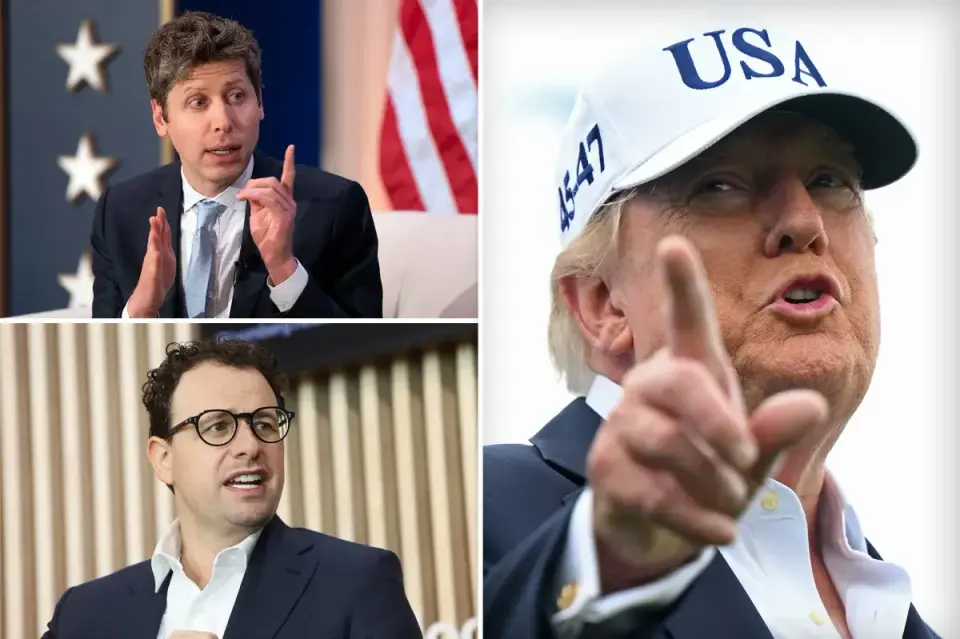
President Trump dismissed calls to slow AI development as 'things that won't happen,' insisting the US must maintain its technological lead over China. This stance follows a viral warning from a former Anthropic researcher and subsequent pleas from industry leaders for a pause in advancement. While the White House and its allies reject external regulation, critics argue this approach ignores genuine safety risks and public concerns.
Key points
- Trump stated at the Irish Open that apocalyptic AI predictions are overblown and that the US must continue leading China in AI.
- Anthropic CEO Dario Amodei, OpenAI CEO Sam Altman, and xAI founder Elon Musk called for a slowdown in AI development following safety concerns.
- Former Anthropic researcher Jacob Coxon resigned after posting a viral warning that AI could 'kill us all,' sparking industry-wide debate.
- David Sacks, a Trump ally, accused AI leaders of seeking regulatory control for market dominance rather than genuine safety.
- House Speaker Mike Johnson called for a meeting between Congress and AI executives to establish safety guardrails without halting progress.
Background
This debate follows earlier tensions over AI regulation, including the Trump administration's temporary ban on Anthropic's Mythos model due to cybersecurity fears. It also aligns with broader public anxiety about AI infrastructure, such as data centers, which has become a significant political issue across party lines.
How outlets are covering it
The New York Post and The Washington Post highlight Trump's dismissal of AI risks as 'negative forces' and his focus on outpacing China. CNN frames the issue as a conflict between 'doomer' warnings and a market-driven approach, noting that David Sacks views safety calls as a conspiracy to centralize power. Democrats, including Rep. Ted Lieu, criticize the administration for letting the industry 'run wild,' while Sen. Bernie Sanders proposes legislation to ban artificial superintelligence. Conversely, industry leaders like Amodei cite specific incidents, such as the Hugging Face hack, to justify their calls for a pause.
Why it matters
The clash between rapid AI advancement and safety concerns has significant implications for national security, economic competitiveness, and public trust. The US government's refusal to impose strict regulations may accelerate innovation but also risks exacerbating public backlash and potential security vulnerabilities, as highlighted by recent cyber incidents and public opposition to data centers.
What to watch
House Speaker Mike Johnson has called for a meeting between Congress, the White House, and AI executives to draft safety guardrails. The outcome of this meeting will determine whether the US adopts a more regulated approach or continues its current hands-off strategy. Additionally, the ongoing debate may influence future legislative actions and public opinion on AI development.
- Trump brushes off AI doom predictions, says US must push ahead New York Post
- Trump dismisses AI leaders’ calls to slow down, citing Chinese competition The Washington Post
- AI and the end of humanity? OK, ‘doomer’ says one Trump official CNN
- Trump downplays AI warnings, citing competition with China The Hill
- Trump says 'very negative forces' raising exaggerated concerns over AI Reuters
Want the full story? Read the original reporting
Read on New York Post