
Kohberger files petition to withdraw Idaho murder plea, citing coerced confession
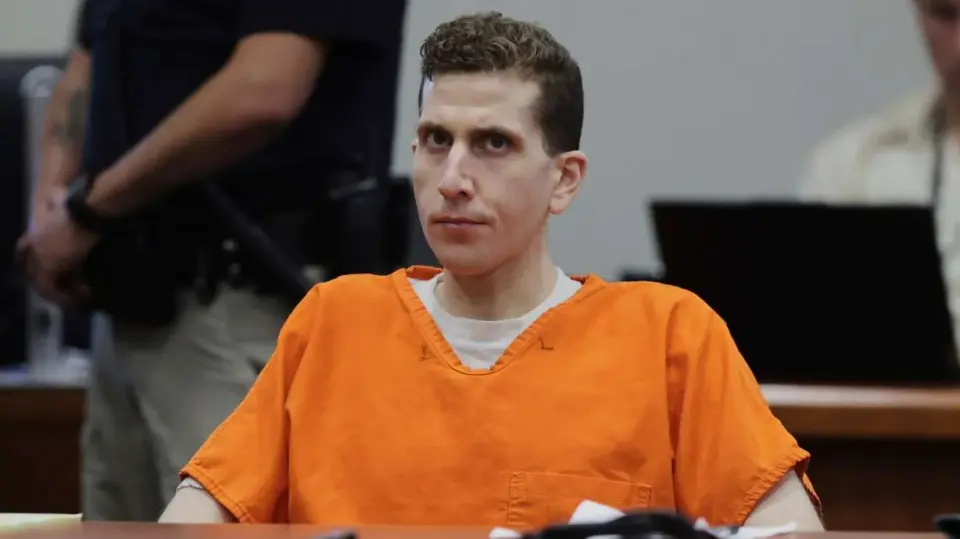
Bryan Kohberger, serving four life sentences for the 2022 University of Idaho murders, has filed a petition to withdraw his guilty plea. He claims his attorneys coerced him with false promises and threats, contradicting his sworn 2025 admission of guilt. Legal experts note that reversing a plea after sentencing requires proving 'manifest injustice,' a high bar given his prior waiver of appeal rights. While victims' families and the Idaho Attorney General oppose the move, Kohberger is now representing himself in a bid to return to trial.
Key points
- Kohberger filed a handwritten petition on Monday from Idaho Maximum Security Penitentiary, alleging his plea was induced by 'unkept promises' and threats regarding prison conditions.
- In July 2025, Kohberger swore under oath that he was pleading guilty 'freely and voluntarily' because he was guilty, waiving his right to appeal in exchange for avoiding the death penalty.
- Idaho law requires a defendant to prove 'manifest injustice' to withdraw a plea after sentencing, a standard legal experts describe as extremely difficult to meet.
- Kohberger claims his attorneys failed to disclose exculpatory evidence, such as an 'unknown hair' found at the scene, and falsely promised privileges like contact visits and employment.
- The victims' families and Idaho Attorney General Raúl Labrador have condemned the petition, with the families stating Kohberger 'hates' his life sentence and seeks another chance to 'roll the dice.'
- Kohberger is currently representing himself in the post-conviction proceedings, having previously been defended by a team of four court-appointed attorneys led by Anne Taylor.
Background
In November 2022, four University of Idaho students—Kaylee Goncalves, Ethan Chapin, Xana Kernodle, and Madison Mogen—were stabbed to death in a rental home in Moscow, Idaho. Bryan Kohberger, a criminology student at Washington State University, was arrested and charged with the murders. After two years of pre-trial hearings where his defense team challenged DNA evidence and argued for an unknown suspect, Kohberger pleaded guilty in July 2025, just one month before his trial was set to begin. The plea deal spared him the death penalty, resulting in a sentence of four consecutive life terms without parole plus 10 years for burglary. This current petition is the first major legal challenge to that conviction since his sentencing.
How outlets are covering it
KSL and CNN emphasize the contradiction between Kohberger's current claims and his sworn 2025 testimony, highlighting the legal hurdles of proving 'manifest injustice' after waiving appeal rights. The New York Times focuses on Kohberger's direct statements asserting his 'actual innocence' and blaming 'blatant disinformation' by his legal team. ABC News and the victims' families frame the petition as a cynical attempt to escape solitary confinement, noting that the families preferred a death penalty trial and view the plea as a finality that Kohberger is now trying to undo. The Idaho Attorney General’s office maintains a neutral but firm stance, stating it will ensure justice is carried out regardless of the plea withdrawal attempt.
Why it matters
This case tests the limits of post-conviction relief in high-profile criminal cases. If Kohberger successfully withdraws his plea, it would reopen a closed case, potentially leading to a new trial and renewed scrutiny of the evidence, including DNA matches and cell phone data. It also raises questions about the effectiveness of court-appointed counsel in capital cases and the reliability of guilty pleas entered under pressure. The outcome could set a precedent for how courts handle claims of coerced pleas when defendants have previously sworn to their voluntariness.
What to watch
Kohberger must now prove his claims in a collateral proceeding, a civil-like process where he bears the burden of proof. He will need to present 'concrete, credible evidence' that his attorneys withheld material information or acted below professional standards. If he cannot meet the 'manifest injustice' standard, his plea will stand. If he does, the case could return to trial, potentially exposing him to the death penalty again, which his previous plea deal explicitly avoided.
- Bryan Kohberger asks to withdraw his guilty plea in the University of Idaho murders case KSL.com
- Bryan Kohberger, Convicted in Idaho College Killings, Seeks to Take Back Guilty Plea The New York Times
- Bryan Kohberger seeks to withdraw guilty plea in University of Idaho murders: Court documents ABC News - Breaking News, Latest News and Videos
- Kaylee Goncalves’ father would ‘love’ Bryan Kohberger retrial NewsNation
- Bryan Kohberger wants out of his plea deal. Here’s what experts say about his chances CNN
Want the full story? Read the original reporting
Read on KSL.com