
AI-Generated 'Cat in the Hat' Threats Trigger Nationwide School Lockdowns and Arrests
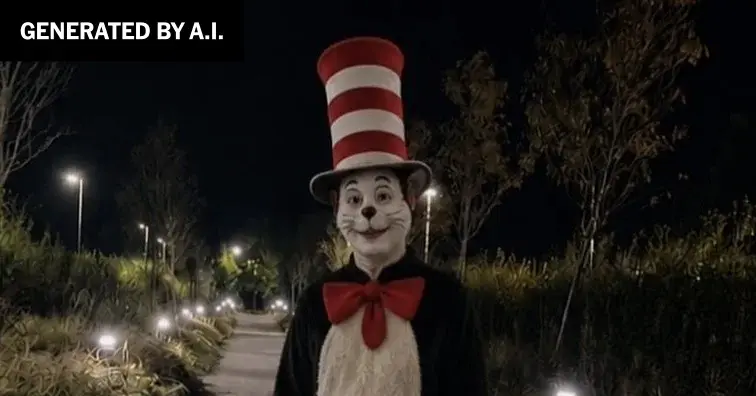
A viral trend featuring AI-generated, menacing images of the 'Cat in the Hat' character has prompted police investigations and school lockdowns across the United States. While authorities in Minnesota and Tennessee have detained individuals, officials emphasize that many posts are part of a broader online prank rather than credible threats, urging parents to discuss online safety with children.
Key points
- The trend involves grainy, AI-generated videos or images of the Dr. Seuss character lurking near schools and homes, often accompanied by threatening text or lists of names.
- In Sleepy Eye, Minnesota, police placed schools on soft lockdown after a TikTok post, though they later determined there was no credible threat to the public.
- A Warren County High School student in Tennessee was charged with making threats of mass violence on school property in connection with the trend.
- Authorities in multiple states, including Minnesota and Tennessee, confirmed the posts are part of a nationwide viral phenomenon, not isolated local threats.
- Police departments are urging parents to speak with children about the dangers of participating in such trends and to report suspicious posts rather than sharing them.
Background
This development follows earlier reports of similar AI-generated threats targeting schools, including a 15-year-old in Hutchinson, Kansas, charged with criminal threats, and warnings from Louisiana law enforcement. The current surge in 'Cat in the Hat' posts represents an escalation in the use of AI to create disturbing imagery that mimics real-world threats, causing significant disruption to educational institutions.
How outlets are covering it
The New York Times frames the issue as a broader internet nightmare trend affecting multiple countries, highlighting the psychological impact on children. KEYC News and CBS News focus on the local response in Sleepy Eye, Minnesota, detailing the soft lockdowns and the specific custody of an adult male student, while emphasizing the lack of a credible threat. WSMV highlights the legal consequences in Tennessee, where a student was formally charged with mass violence threats. All sources agree that while the posts are often pranks, they trigger serious law enforcement responses and require parental engagement.
Why it matters
The incident underscores the growing risks of AI-generated content in public spaces, particularly schools. It highlights the tension between viral online pranks and real-world safety protocols, demonstrating how easily misinformation can trigger mass panic and resource-intensive police responses. It also signals a shift in how law enforcement and schools address digital threats, moving from reactive lockdowns to proactive parental education and legal charges for those who create or share such content.
What to watch
Law enforcement agencies in affected areas will continue to monitor social media platforms for similar posts. Authorities in Tennessee and Minnesota are expected to pursue further charges where appropriate. Schools and parents are likely to implement stricter guidelines regarding online behavior and AI-generated content, with a focus on educating students about the legal consequences of creating threatening material.
- Why Sinister ‘Cat in the Hat’ Videos Are Prompting Police Warnings The New York Times
- Person in custody after social media threats made toward Sleepy Eye schools KEYC News Now
- Sleepy Eye police investigate "Cat in the Hat" TikTok threat CBS News
- ‘Cat in the Hat’ social media trend prompts school safety concerns in Arkansas 5newsonline.com
- Tennessee student charged after ‘Cat in the Hat’ AI threat investigation. Here’s what we know WSMV
Want the full story? Read the original reporting
Read on The New York Times