
Construction Begins on Arizona Border Wall Despite Tohono O’odham Objections
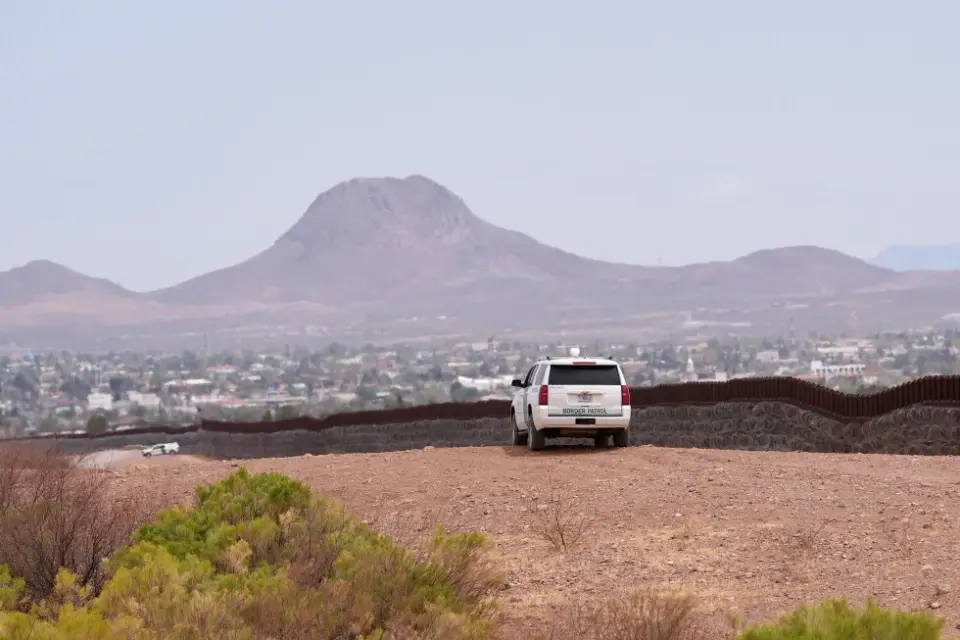
Contractors have begun constructing a border wall in Arizona over the objections of the Tohono O’odham Nation. This action follows a federal court decision that rejected the tribe’s request to halt construction on its lands.
Key points
- Federal contractors have started building a border wall in Arizona.
- The Tohono O’odham Nation opposes the construction on its tribal lands.
- A U.S. District Court judge previously denied the tribe’s request for a preliminary injunction to stop the project.
- The court’s decision relied on a 1907 Theodore Roosevelt proclamation allowing federal use of border land.
Background
This development follows a series of legal and political battles over border infrastructure. In August 2026, a federal judge in Arizona allowed construction along the Tohono O’odham Nation’s border, citing a 1907 proclamation that permits federal use of 60 feet of border land. This ruling came after tribal leaders had posted 'No Trespassing' signs to warn contractors away. The current construction phase occurs within a broader context of significant border-security spending, including a $46.5 billion plan and specific projects like the $1.72 billion wall in Big Bend National Park, which has faced criticism from conservationists and local officials.
Why it matters
The start of construction marks a significant escalation in the dispute between the federal government and the Tohono O’odham Nation. It demonstrates the federal government's commitment to physical border barriers despite legal challenges and tribal opposition, potentially setting a precedent for future border-wall projects on Native lands.
What to watch
The Tohono O’odham Nation may pursue further legal challenges or protests against the ongoing construction. The federal government is likely to continue the project as part of its broader border-security strategy. The outcome of this construction could influence future disputes over border infrastructure on other tribal lands.
Want the full story? Read the original reporting
Read on AP News