
Cellphone data pinpoints fatal fall of hiker Neil Gehring in Olympic National Park
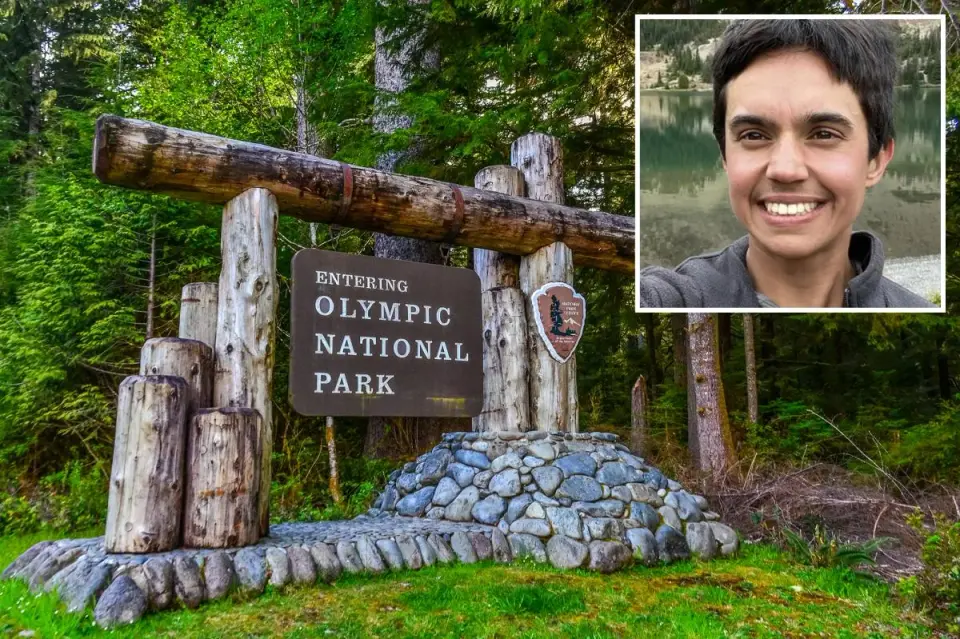
The body of 26-year-old hiker Neil Gehring was recovered on the northwest slope of Mount Appleton in Olympic National Park on September 13, nearly two weeks after he failed to return from a planned overnight trek. Search teams located him after analyzing new cellphone location data, following a 10-day aerial and ground search that initially failed to find him. The Clallam County Coroner confirmed the cause of death as extensive blunt trauma to the head, torso, and limbs. An investigation into the circumstances of his death remains ongoing.
Key points
- Gehring left the Madison Falls Trailhead on August 31 for a cross-country hike from Boulder Lake to Appleton Pass, planning to return by September 1.
- He was reported overdue at 6:30 a.m. on September 2, triggering a search that utilized drones, dogs, and aerial teams for 10 days.
- On September 11, the National Park Service shifted tactics to seek new clues, eventually receiving additional cellphone location data that led to the discovery on September 13.
- Gehring’s remains were transferred to the Clallam County Coroner’s Office at approximately 8 p.m. on September 13.
- The coroner confirmed the cause of death as extensive blunt trauma, though officials have not released details regarding the specific circumstances of the incident.
Background
This case follows a pattern of high-profile search-and-rescue operations in national parks, such as the recent recovery of hiker Craig Berg on Isle Royale. While the August 2026 rabies incident in Olympic National Park involved a bat contact, the current case involves a fatal injury in the same park, highlighting the risks of backcountry travel in remote terrain.
How outlets are covering it
The New York Post and KOMO News emphasized the role of cellphone data in breaking the stalemate of the search, noting that initial aerial and ground efforts failed. USA Today provided the specific medical finding of 'extensive blunt trauma' and noted that Gehring was from Massachusetts, a detail not mentioned in the other sources. All outlets agreed that the investigation remains active and that the park service declined to provide further details pending the coroner's review.
Why it matters
The case underscores the critical role of digital location data in modern search-and-rescue operations, particularly in remote national park environments where traditional methods may fail. It also highlights the ongoing risks associated with backcountry hiking in Washington state, where terrain can be treacherous and communication infrastructure is limited.
What to watch
The National Park Service and Clallam County Coroner are continuing their investigation into the circumstances surrounding Gehring's death. Authorities have requested that anyone with information contact the park service or the tip line, though no further public updates have been released as of the latest reports.
- Body of missing hiker found in Olympic National Park thanks to crucial clue New York Post
- Missing hiker's body found in Olympic National Park KING5.com
- Missing hiker found dead in Olympic National Park. Here’s what we know Yahoo
- Missing hiker found dead in Olympic National Park USA Today
- Body of hiker missing for 2 weeks recovered on Mt. Appleton in Olympic National Park komonews.com
Want the full story? Read the original reporting
Read on New York Post