
Cornell Accuser’s Lawyer Alleges Chi Phi Fraternity Coordinated Cover-Up of 2024 Gang Rape
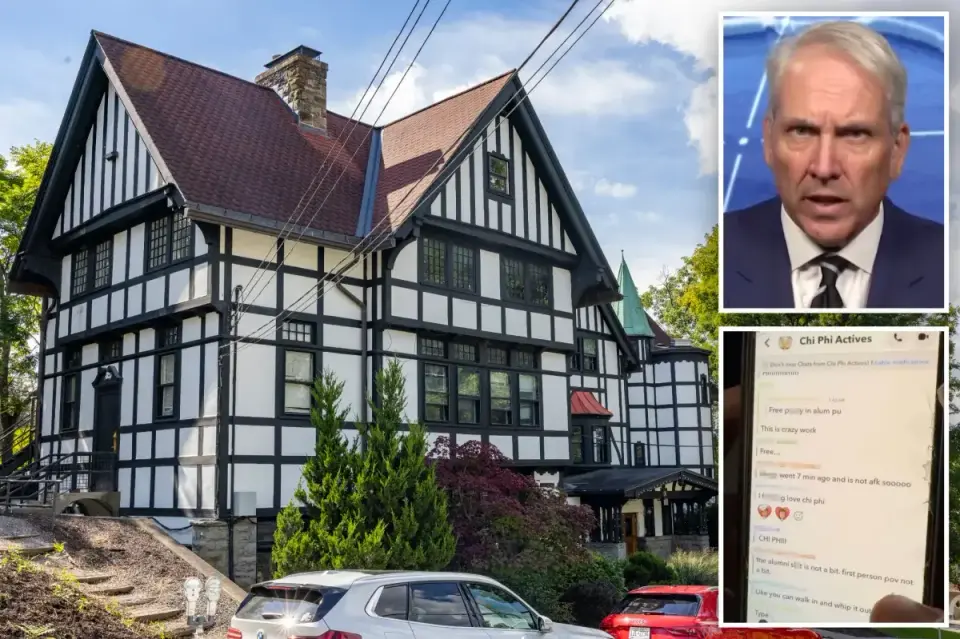
Attorney Thomas Giuffra claims Cornell’s Chi Phi fraternity held emergency meetings to suppress details of a 2024 alleged gang rape, describing a 'conspiracy of silence' among 57 members. While the accuser, Jane Doe, alleges she was drugged and assaulted, fraternity members deny coordinating a cover-up, claiming the topic arose casually during a weekly meeting. Internal messages suggest leadership attempted to control the narrative and frame the incident as consensual, despite Doe’s claims of non-consent due to intoxication.
Key points
- Attorney Thomas Giuffra stated that Chi Phi members held meetings to cover up the alleged assault after Doe reported it to campus police.
- Giuffra noted that 57 people were in the group chat, but only one person leaked information to Doe; no one reported the incident to authorities.
- ABC News documents indicate the fraternity attempted to label the incident a 'consensual orgy' to protect their reputation.
- Fraternity members interviewed by campus police denied holding specific meetings about the incident, claiming it was discussed during a regular weekly chapter meeting.
- Messages between accused member Matthew Ingalls and the Chi Phi president show concerns about contacting Doe and coordinating a 'plan of action.'
- Doe alleges she was too intoxicated to consent, while the accused brothers claim the interaction was consensual.
Background
This incident stems from a lawsuit filed in November 2024, where a former Cornell student alleged she was drugged and gang-raped by seven Chi Phi members in October 2024. Previous coverage highlighted that Cornell issued temporary suspensions and that the Tompkins County District Attorney declined to prosecute due to insufficient evidence. Recent developments include the release of video evidence and internal messages suggesting the fraternity attempted to suppress details of the assault.
Why it matters
The allegations of a coordinated cover-up by a fraternity highlight systemic issues in how universities and Greek organizations handle sexual assault reports. It raises questions about institutional accountability, the effectiveness of Title IX processes, and the potential for peer pressure to suppress reporting of serious crimes. The case also underscores the ongoing scrutiny of Cornell University and the role of New York Attorney General Letitia James in investigating such incidents.
What to watch
The case will likely proceed through civil litigation, with potential implications for Cornell’s Title IX procedures and the legal liability of the accused individuals. Further investigations by the New York Attorney General may lead to additional findings or charges. The outcome could set precedents for how universities handle sexual assault allegations and the responsibilities of fraternities in preventing and reporting such incidents.
Want the full story? Read the original reporting
Read on New York Post