
DeSantis halts William Thompson execution amid dementia crisis
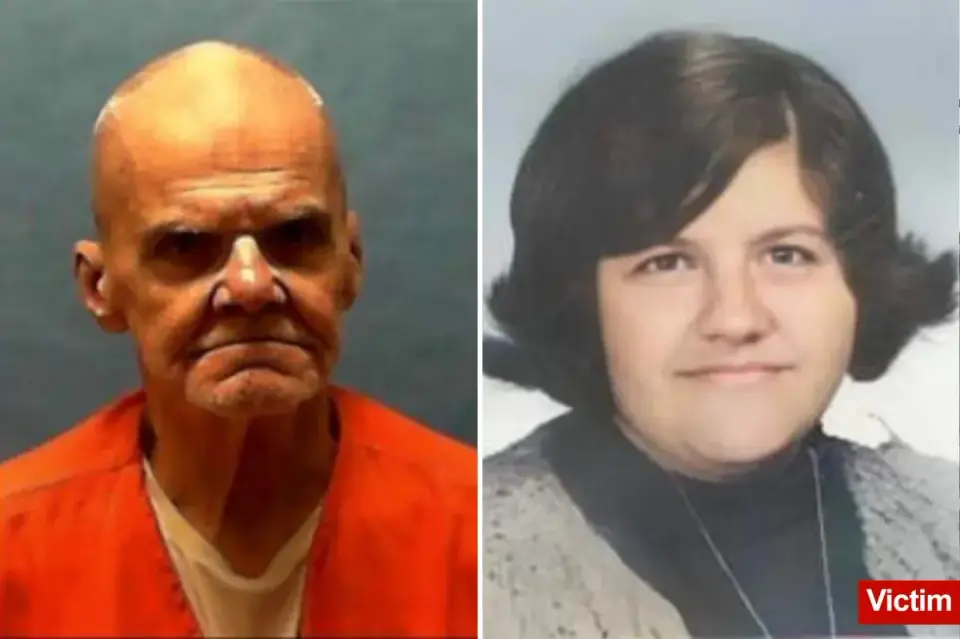
Florida Governor Ron DeSantis withdrew the death warrant for William Thompson, a 74-year-old inmate scheduled for execution, citing concerns over his severe dementia. Thompson, convicted in 1976 for the torture murder of Sally Ivester, was spared just days before his scheduled lethal injection. This marks the first time DeSantis has withdrawn a death warrant during his tenure, despite Florida’s record-breaking execution rate this year. Thompson remains on death row, but his case highlights growing scrutiny of executing cognitively impaired inmates.
Key points
- DeSantis withdrew Thompson’s death warrant on October 9, 2026, five days before his scheduled execution.
- Thompson, 74, was convicted in 1976 for the 1976 torture murder of Sally Ivester in Miami Beach.
- Medical evaluations confirmed Thompson suffers from dementia and lacks the capacity to understand his impending execution.
- This is the first time DeSantis has withdrawn a death warrant since taking office, despite signing 19 executions last year.
- Thompson remains on Florida’s death row, with the possibility of a new warrant being issued in the future.
Background
Florida has carried out a record 19 executions in the past year, including two in a single day in July 2026. Governor DeSantis has aggressively used the death penalty in his final term, previously signing warrants for inmates like Harold Gene Lucas, who was executed in September 2026 for a 1976 murder. The current case follows a national trend of scrutiny over execution protocols, highlighted by the failed execution of Christa Pike in Tennessee in September 2026, which led to a statewide execution halt.
How outlets are covering it
The New York Post emphasized Thompson’s severe cognitive decline, noting he could not recall basic facts like the current president or recent meals, and framed the withdrawal as a response to his 'gravely ill' state. The Associated Press, via KSAT, highlighted the unprecedented nature of DeSantis’s decision, noting it was his first death warrant withdrawal, and contextualized it within Florida’s record execution rate. Both sources agreed on the medical basis for the stay but differed in emphasis: the Post focused on the humanitarian aspect of dementia, while the AP focused on the political and procedural significance of DeSantis’s reversal.
Why it matters
This case underscores the legal and ethical complexities of executing inmates with severe cognitive impairments, as protected under the Eighth Amendment. It also signals a potential shift in DeSantis’s approach to the death penalty, even as Florida maintains its status as the nation’s most active execution state. The decision may influence future cases involving mentally incapacitated inmates and could impact public discourse on the morality of capital punishment.
What to watch
Thompson will remain on Florida’s death row, and the state may issue a new death warrant if his condition improves or if legal challenges are resolved. His attorney, Brittney Lacy, has requested his transfer to an adequate medical facility. Meanwhile, Florida will proceed with the execution of James Robertson, scheduled for the same day as Thompson’s original date, highlighting the state’s continued commitment to capital punishment despite the Thompson case.
- Florida death row inmate William Thompson spared from execution, 50 years after torture murder New York Post
- BREAKING: Gov. DeSantis withdraws William Thompson’s death warrant Tracking Florida's Death Penalty
- Killer who tortured and murdered woman, 23, has execution canceled just days before death under little-known law The Sun
- Gov. DeSantis halts execution of William Thompson, 74, citing dementia NewsBytes
- Florida execution called off after DeSantis withdraws death warrant for the first time KSAT
Want the full story? Read the original reporting
Read on New York Post