
Illinois board denies medical release for deputy convicted in Sonya Massey killing
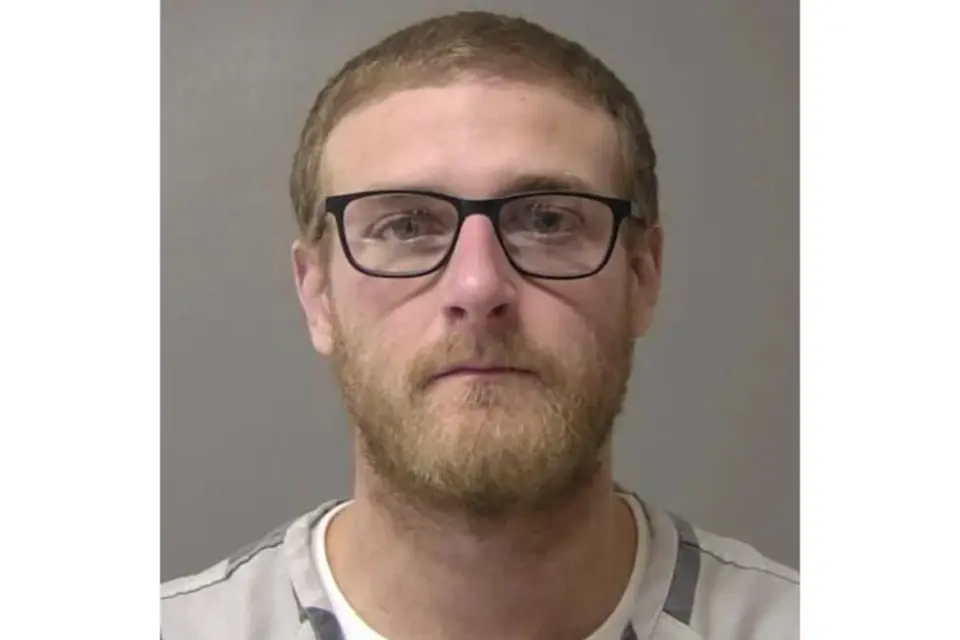
The Illinois Prisoner Review Board unanimously denied Sean Grayson’s request for medical release from a 20-year prison sentence. Grayson, a former deputy convicted of second-degree murder in the 2024 killing of Sonya Massey, sought early release under the Joe Coleman Act due to Stage 4 cancer. Prosecutors and Massey’s family opposed the release, citing public safety concerns and lack of remorse.
Key points
- The Illinois Prisoner Review Board voted 3-0 to deny Sean Grayson’s medical release application on July 31, 2026.
- Grayson, convicted of second-degree murder in the 2024 shooting of Sonya Massey, is serving a 20-year sentence.
- Grayson requested release under the Joe Coleman Act, citing Stage 4 colon cancer that has spread to his liver, lungs, and rectum.
- A medical evaluation deemed his condition 'irreversible and incurable' with a likely death within 18 months, but did not classify him as medically incapacitated.
- Sangamon County State’s Attorney John C. Milhiser opposed release, stating Grayson remains a danger to society and that cancer does not mitigate his threat.
- Sonya Massey’s family, including her cousin Sontae Massey and mother Donna Massey, strongly opposed the release, expressing relief but vigilance against future applications.
Background
This decision follows Grayson’s October 2025 conviction and January 2026 sentencing. The case has been a focal point for criminal justice reform, leading to the 2025 Sonya Massey Act, which mandates comprehensive background checks for law enforcement hires. Prior coverage highlighted the family’s ongoing legal battles and public advocacy for accountability.
How outlets are covering it
AP News and NBC News reported the unanimous denial and Grayson’s medical status, while ABC News emphasized the family’s emotional response and the body-camera footage. sj-r.com detailed the procedural aspects, including the non-public hearing and the board’s deliberation time. All sources agreed on the outcome but varied in emphasis: NBC and ABC highlighted the family’s opposition and Grayson’s lack of remorse, while sj-r.com focused on the legal process and political context. No source disputed the core facts, but ABC and sj-r.com provided more detail on the family’s statements and the board’s composition.
Why it matters
The denial underscores the tension between medical clemency and public safety in criminal justice. It highlights the role of victim families in influencing release decisions and the ongoing scrutiny of law enforcement conduct. The case also reflects broader debates over the Joe Coleman Act and its application to violent offenders with terminal illnesses.
What to watch
Grayson may refile for medical release, as noted by Massey’s family. His case is also before the Fourth District Appellate Court. The family plans to monitor future applications and advocate for continued incarceration. No immediate changes to Illinois law are expected, but the case may influence future interpretations of the Joe Coleman Act.
- Ex-deputy who shot Sonya Massey is denied a request for medical release from prison AP News
- Sean Grayson, officer who shot Sonya Massey, denied medical release from 20-year prison sentence NBC News
- Former deputy convicted of murdering Sonya Massey denied early release ABC News - Breaking News, Latest News and Videos
- Sean Grayson denied early medical release from prison WANDTV.com
- Illinois Prisoner Review Board votes to deny Grayson release sj-r.com
Want the full story? Read the original reporting
Read on AP News