
Philadelphia Teacher Confesses to Years of Identity Fraud After Faking Palestinian and Black Heritage
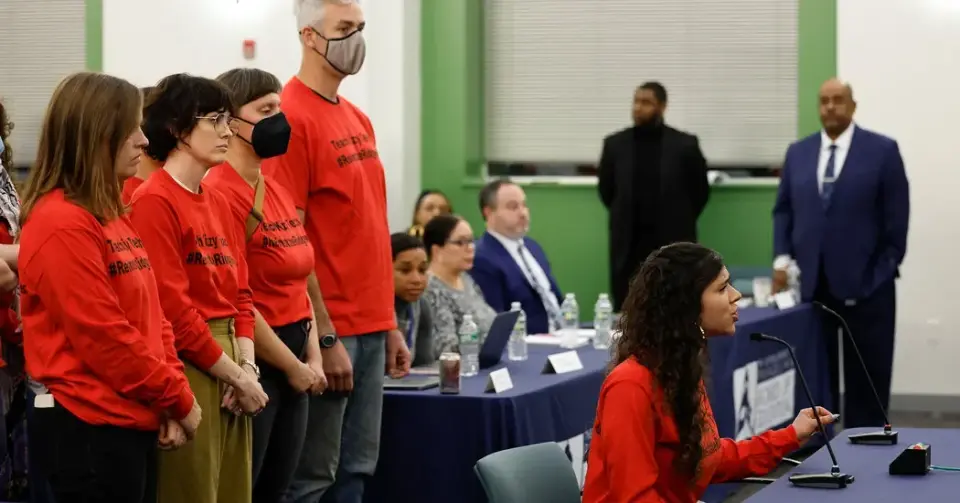
Hannah Gann, a Philadelphia high school teacher and activist, admitted to fabricating her identity as Palestinian, Tunisian, and Black for years. She confessed to being a white woman of Jewish heritage with family in Israel, leading to her expulsion from local pro-Palestinian and racial justice groups. The revelation has sparked debate over the impact of identity fraud on activist credibility and the broader causes she supported.
Key points
- Hannah Gann, a teacher at the Workshop School in Philadelphia, admitted in a social media video to lying about her identity for years, claiming to be Palestinian, Tunisian, and Black.
- She described herself as a 'white woman of significant privilege and wealth' and acknowledged that she had deceived everyone in her life, including family and colleagues.
- Philly Educators for Palestine and the Racial Justice Organizing Committee cut ties with Gann, calling her actions a 'betrayal' and demanding she publicly acknowledge her true background.
- Gann's activism, which included organizing teach-ins about Gaza and advocating for teachers' political speech, was central to her public persona, but her identity claims were inconsistent and later disproven.
- The Philadelphia school district offered support to Workshop School staff and students but declined to comment on the specifics of the case.
Background
This incident follows a broader pattern of scrutiny on identity-based activism, particularly in the context of pro-Palestinian and racial justice movements. In August 2026, the Palestinian art world mourned Sliman Mansour, a figure who championed accessible art as a form of resistance, highlighting the importance of authentic representation in cultural and political movements. Additionally, in September 2026, former Columbia University pro-Palestinian activists, including Mahmoud Khalil, filed a federal lawsuit alleging the university failed to protect them from harassment, underscoring the tensions between institutional support and activist credibility in the current political climate.
How outlets are covering it
The New York Times emphasized Gann's admission of being a 'white woman of significant privilege' and her expression of 'shame and sorrow,' while noting that some critics used her case to justify 'supremacist ideologies.' The Guardian focused on the joint statement from Philly Educators for Palestine and the Racial Justice Organizing Committee, highlighting their condemnation of Gann's 'betrayal' and the harm caused to communities whose identities were appropriated. NBC News drew parallels to Rachel Dolezal, the former NAACP leader who faked Black identity, and detailed Gann's interactions with fellow activists, including a decade-long friendship with teacher Keziah Ridgeway. The Philadelphia Inquirer, cited by multiple outlets, provided evidence that Gann's claimed Palestinian grandfather was actually born in Baltimore, based on draft records and naturalization papers. Outlets differed in their emphasis: The Times and NBC focused on Gann's personal confession and its impact on activist credibility, while The Guardian highlighted the organizational response and the broader implications for pro-Palestinian and racial justice movements.
Why it matters
This case raises questions about the role of identity in political activism and the consequences of fraud on the credibility of movements. It also highlights the tension between personal authenticity and the urgency of causes, as Gann argued that her lies should not discredit the broader fight for justice. The incident may influence how activist groups vet members and handle internal disputes, particularly in movements where identity is central to advocacy.
What to watch
Gann has not responded to further requests for comment, and it is unclear whether she will face disciplinary action from the Philadelphia school district. The activist groups that expelled her have stated they will not allow her actions to 'fracture the community,' but the incident may lead to increased scrutiny of members' backgrounds in similar organizations. The Philadelphia school district has offered support to Workshop School staff and students, but no formal investigation has been announced.
- A Teacher and Activist Admits to Making Up Palestinian Background The New York Times
- Philadelphia teacher admits to lying about being Palestinian and Black: ‘I hid the truth’ The Guardian
- ‘Temu Rachel Dolezal’: Philly activist confesses to years of identity fraud faking Black and Palestinian heritage NBC News
- Jewish teacher in Philadelphia admits to fabricating Palestinian identity for years The Times of Israel
- A Philadelphia teacher pretended to be Black and Palestinian, 'a betrayal' of the activists she supported Inquirer.com
Want the full story? Read the original reporting
Read on The New York Times