
Judge halts Trump administration's $20M taxpayer-funded ads ahead of midterms
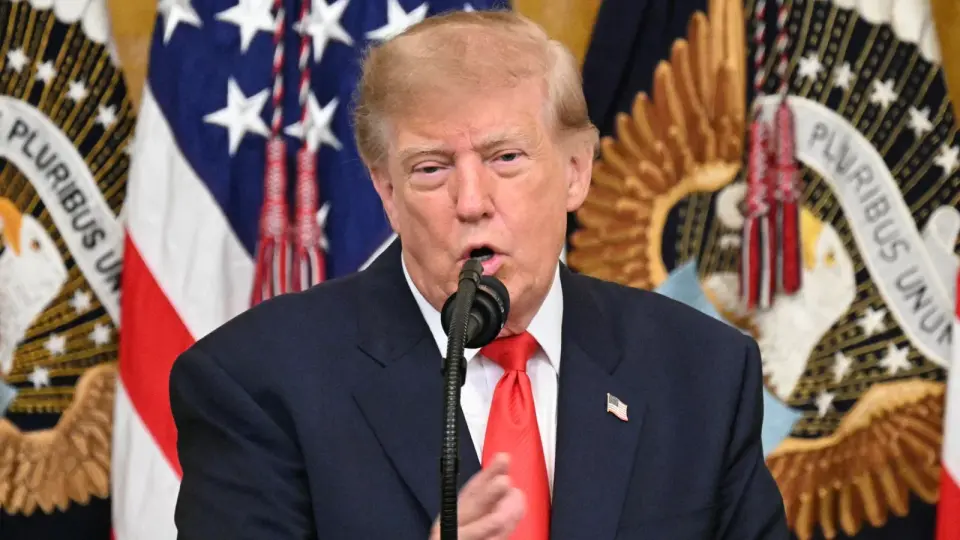
A federal judge has ordered the Trump administration to immediately stop airing government-funded television advertisements that critics describe as political propaganda. The ads, financed by a $20 million contract from the Department of Homeland Security, were challenged in multiple lawsuits filed by advocacy groups and labor unions. While the administration initially agreed to halt new purchases, the court ruled that the existing ads must be pulled to prevent further misuse of public funds ahead of the midterm elections.
Key points
- Judge Jennifer Rochon of the Southern District of New York issued an order on Sunday night requiring the administration to cancel or prevent the airing of the challenged advertisements.
- The ads were funded by a $20 million contract from the Department of Homeland Security, with funds approved by the Office of Management and Budget on September 20.
- Plaintiffs, including Common Cause and the Service Employees International Union, argued the ads violated laws prohibiting the use of taxpayer money for political influence.
- The administration stated it had no plans for additional media buys but resisted the immediate injunction, arguing the plaintiffs lacked standing.
- DHS Secretary Markwayne Mullin indicated on CBS that taxpayers would not be reimbursed for the $20 million already spent on the ads.
Background
This ruling follows a week of escalating legal and political controversy over the use of federal funds for television spots praising the president. Earlier in October, President Trump announced that his super PAC, MAGA Inc., would fund future advertisements but refused to reimburse the government for the approximately $10 million already spent. Public opposition to the ads was significant, with a Reuters-Ipsos poll showing 86% of Americans, including 80% of Republicans, opposed to using federal funds for such content. The current legal action is part of a broader pattern of challenges to the administration's communication strategies ahead of the November midterm elections.
How outlets are covering it
The plaintiffs, including Common Cause and labor unions, characterized the ads as 'blatantly unlawful political propaganda' and argued that using government machinery to influence electoral outcomes has no legal precedent. In contrast, the Department of Homeland Security, through Department of Justice attorneys, maintained that the plaintiffs lacked standing because they were not competing in the same political arena as the president. While the administration agreed to stop new purchases, it argued against a temporary restraining order, suggesting the issue was moot. Critics, however, pointed to Trump's comments urging voters to 'pretend I'm on the ballot' as evidence that the ads were intended to influence the election. The judge sided with the plaintiffs, finding that the administration was likely to succeed on the merits and that an injunction served the public interest.
Why it matters
The ruling sets a significant legal precedent regarding the boundaries of government communications and the use of taxpayer funds in the lead-up to elections. It highlights the tension between executive messaging and legal restrictions on political advertising. The decision may influence future campaigns and government spending, as it establishes that using appropriated funds for content that resembles campaign material can be subject to judicial intervention. Additionally, the lack of reimbursement for the $20 million already spent raises questions about accountability and the financial implications of such actions for the federal budget.
What to watch
The case is expected to proceed to a hearing on Tuesday afternoon, where the administration and plaintiffs will present further arguments. The administration has indicated that any unused funds from the media contracts will be 'de-obligated,' meaning they will be returned to the government. However, the broader legal battle over the legality of the ads and the potential for future similar expenditures remains unresolved. The outcome of this case could have lasting implications for how the executive branch uses public funds for communications in the future, particularly in the context of upcoming elections.
- Judge orders Trump admin to stop airing challenged government-funded ads immediately CNBC
- Judge halts Trump administration's taxpayer-funded ads Axios
- Judge orders the Trump administration to cancel taxpayer-funded promotional TV ads The Seattle Times
- Trump propaganda ads funded by taxpayers to stop, DHS says Democracy Docket
- Federal judge orders pro-Trump TV ads funded by taxpayers off air immediately NBC News
Want the full story? Read the original reporting
Read on CNBC