
San Jose officer terminated for sharing Flock tracking data with domestic abuse suspect
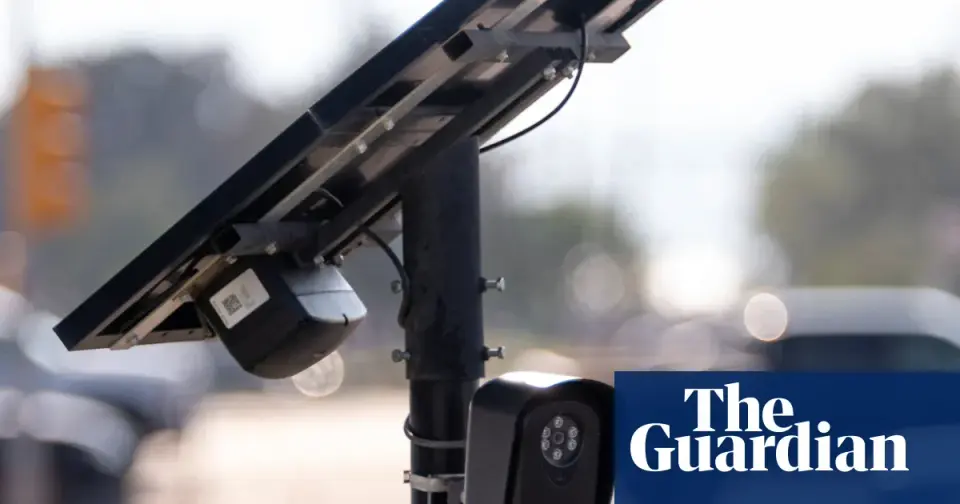
A San Jose police officer was fired after using his personal phone to access the department’s Flock license plate reader database and share a woman’s location with her alleged domestic abuser, who was his cousin. Chief Paul Joseph disclosed the termination on Friday, stating the officer accessed the data without authorization in 2025. The incident was discovered when the victim reported that her abuser knew her location. While the officer was not criminally charged due to current state law gaps, he was referred to the Commission on Peace Officer Standards and Training for potential decertification. This case highlights ongoing tensions between law enforcement reliance on surveillance technology and privacy advocates who argue such systems enable abuse.
Key points
- San Jose Police Chief Paul Joseph confirmed the firing of an officer who used Flock camera data to help his cousin locate a domestic violence victim.
- The officer accessed the database via a personal phone in 2025 without authorization, violating departmental trust and policy.
- The victim discovered the breach when her abuser told her he knew her location, prompting her to report the interaction to police.
- The officer was not criminally charged because California law does not currently criminalize unauthorized access to automated license plate reader data, only traditional criminal databases.
- The officer was referred to the Commission on Peace Officer Standards and Training for potential decertification, barring him from future law enforcement work in California.
- Chief Joseph issued a new department-wide directive prohibiting officers from accessing law enforcement databases from personal electronic devices.
Background
This incident follows a broader trend of scrutiny regarding Flock Safety’s automated license plate reader (ALPR) technology, which has expanded rapidly across the US. Previous coverage noted that Flock has reduced data retention periods from 30 days to seven days in response to privacy concerns, though critics argue these measures are insufficient. In San Jose, the city council previously approved policies to limit data retention and prohibit cameras near sensitive locations like houses of worship and reproductive health clinics. The current case adds to a national pattern of misuse, including instances where officers have used such data to stalk former partners or track individuals seeking abortion services, as documented by the Institute for Justice.
How outlets are covering it
The Guardian and NBC Bay Area emphasize the ethical breach and the chief’s outrage, framing the incident as a betrayal of public trust. The Mercury News provides additional detail, noting the officer served for only two years and highlighting the legal gap that prevented criminal charges. Privacy advocates, including the ACLU and Electronic Frontier Foundation, cited the incident as evidence supporting their lawsuit against San Jose, arguing that warrantless access to ALPR data violates the Fourth Amendment. Conversely, Chief Joseph and city officials defended the technology as vital for crime fighting, noting recent successes in solving homicides and tracking armed suspects, while acknowledging the need for stricter internal controls and state-level criminal penalties for misuse.
Why it matters
This case underscores the risks associated with mass surveillance technologies in law enforcement, particularly when access controls are weak or laws lag behind technology. It highlights the potential for personal abuse of public resources and the difficulty in holding officers accountable when existing statutes do not cover specific types of data. The incident may accelerate legislative efforts to criminalize unauthorized access to ALPR data and reinforce the debate over the balance between public safety and privacy rights in the US.
What to watch
The Commission on Peace Officer Standards and Training will review the officer’s case for potential decertification. San Jose police have implemented new policies prohibiting database access from personal devices. State lawmakers are urged to pass legislation making unauthorized access to ALPR data a criminal offense. Privacy groups continue to litigate against San Jose’s use of Flock cameras, seeking a ruling that requires warrants for accessing stored ALPR data. The city may face further scrutiny or legal challenges regarding its surveillance practices.
- San Jose officer fired for misusing Flock camera database in domestic abuse case The Guardian
- San Jose police officer fired for allegedly sharing Flock camera data with domestic violence suspect ABC7 Bay Area
- San Jose officer used Flock cameras to help relative track domestic violence victim, chief says San Francisco Chronicle
- San Jose police officer fired after using Flock database to track cousin’s domestic violence accuser The Mercury News
- San Jose police officer fired for misusing Flock camera data, chief says NBC Bay Area
Want the full story? Read the original reporting
Read on The Guardian