
Survivor of Botched Tennessee Execution Walks in Hospital, Remembers Attempt
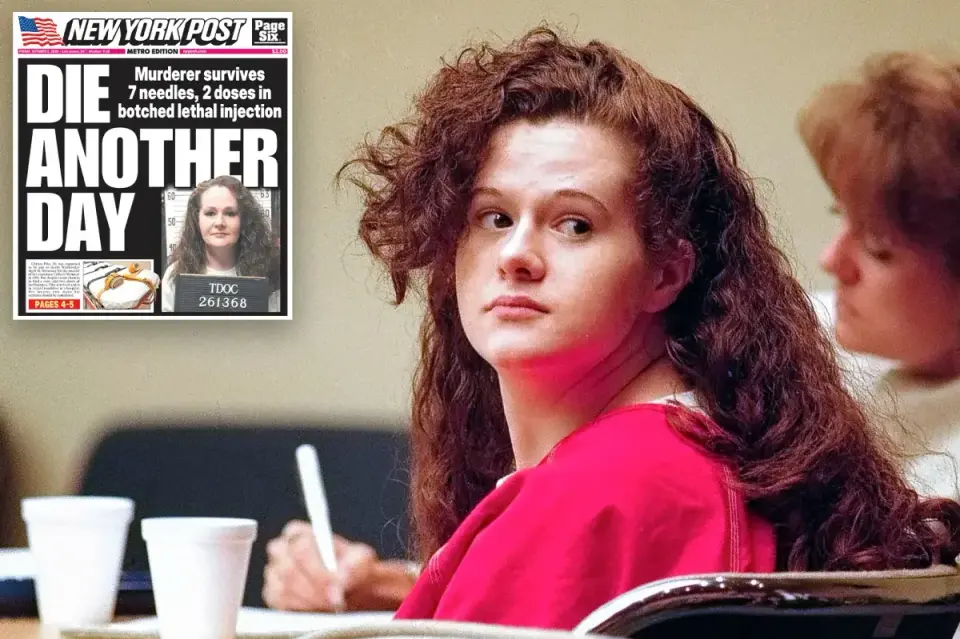
Christa Pike, 50, is now walking in her hospital room after surviving a botched lethal injection in Tennessee on September 30, 2026. Her legal team reports she is mentally aware of the failed execution attempt but remains cognitively foggy. Pike, who was declared brain dead before waking, faces severe arm injuries and an uncertain recovery. A judge has ordered the preservation of all evidence from the procedure, while Governor Bill Lee has paused executions in the state for the remainder of 2026.
Key points
- Pike is now mobile, walking around her hospital room for the first time since the September 30 incident, according to her lawyer Stephen Ferrell.
- Despite physical mobility, Pike suffers from severe arm injuries, pneumonia, and a blood clot, and remains handcuffed and shackled to her bed.
- Her mental state is described as 'good and bad'; she is aware the state attempted to execute her but experiences cognitive fog and memory lapses.
- The execution involved two doses of pentobarbital administered via at least seven needles, with one needle reportedly inserted at a 90-degree angle.
- A judge has ordered Tennessee officials to preserve syringes and other evidence, while Governor Bill Lee has paused all executions in the state until the end of 2026.
Background
Pike was sentenced to death in 1995 for the murder of her 19-year-old classmate Colleen Slemmer. She was scheduled to be the first woman executed in Tennessee in over 200 years. Prior to this week, she was the first person in the modern U.S. era to survive a lethal injection. Her case has prompted a legal battle over the procedure's failure and potential future attempts, with her lawyers seeking a commutation to life in prison.
Why it matters
Pike's survival has triggered a state-wide pause on executions and a judicial order to preserve evidence, raising significant legal and ethical questions about the administration of lethal injections in the United States. Her case highlights the risks and potential for error in capital punishment procedures, influencing ongoing debates about the legality and humanity of the death penalty.
What to watch
Pike's recovery is described as medically unprecedented, with an unclear prognosis. Legal teams are debating whether a second execution attempt should occur or if her sentence should be commuted. The state's decision to preserve evidence suggests potential future lawsuits or investigations into the failed procedure.
Want the full story? Read the original reporting
Read on New York Post