
Minneapolis Shooting Exposes Gaps in State Gun Control Laws
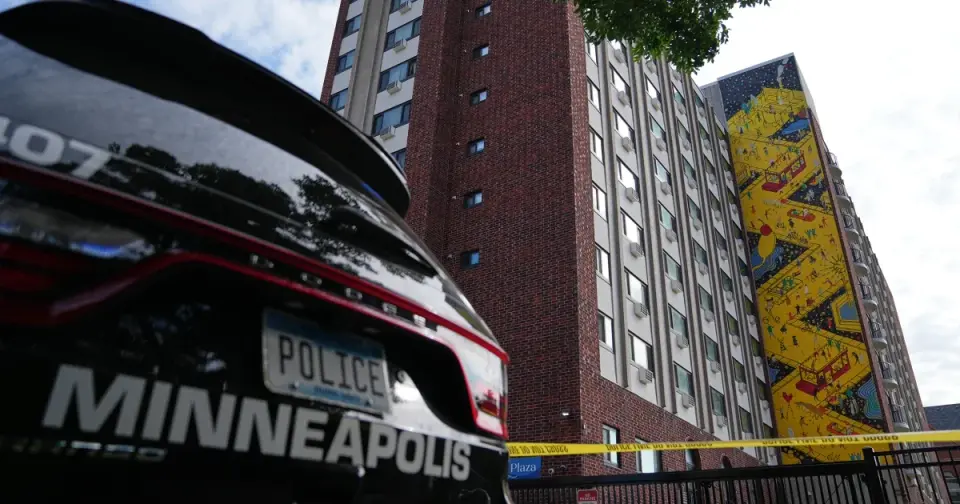
Carlton Neal Johnson II, 35, killed two people and wounded five others in a Minneapolis apartment complex on Wednesday. He died after a shootout with police. Investigators say the shooting began during a child custody exchange. Johnson had prior threats and an eviction notice but still possessed firearms. Advocates and doctors are demanding stricter gun laws, including updated red flag laws, after the tragedy.
Key points
- Carlton Neal Johnson II, 35, opened fire at Shoreline Plaza apartments in Minneapolis on Wednesday, killing two residents and wounding five others, including two police officers.
- Johnson died after an exchange of gunfire with Minneapolis police. The Bureau of Criminal Apprehension (BCA) is leading the investigation.
- The shooting began during a child custody handoff, according to the BCA. Johnson had previously threatened residents and was facing eviction for displaying a firearm.
- Hennepin County prosecutors said there was insufficient evidence to charge Johnson in June or to seize his guns under the state's red flag law.
- Doctors and gun violence advocates are calling for stricter gun laws, including updates to the extreme risk protection order (ERPO) law, after the shooting.
Background
This incident follows earlier coverage of the suspect's history, including eviction threats and prior encounters with police over a weapon. A restraining order from a different relationship also existed. The shooting highlights ongoing debates about gun control in Minnesota, where DFL legislators attempted to enact more gun legislation this year but failed to pass a bill in the House.
How outlets are covering it
NBC News emphasizes the legal gaps that allowed Johnson to possess a gun despite prior warnings. 5 EYEWITNESS NEWS focuses on the immediate aftermath, including the injuries to police officers and the reopening of the apartment building. MPR News highlights the calls from doctors and advocates for stricter gun laws, particularly updates to the red flag law. All sources agree on the basic facts of the shooting and the suspect's death, but they differ in their emphasis on the legal and policy implications.
Why it matters
The Minneapolis shooting underscores the need for stronger gun control laws, particularly red flag laws, to prevent individuals with a history of threats from accessing firearms. The incident also highlights the toll of gun violence on first responders and medical staff, as well as the challenges of enforcing existing laws. The case may lead to renewed efforts to pass gun legislation in Minnesota.
What to watch
The Minnesota Legislature is expected to revisit gun laws this year, potentially including updates to the red flag law. The BCA will continue its investigation into the shooting, and the Hennepin County Attorney's Office may review its decision not to charge Johnson in June. Advocates and doctors will continue to push for stronger gun laws and better support for first responders.
- Minnesota shooting suspect faced repeated warnings and allegations. Here’s why he could still carry a gun NBC News
- Minneapolis Shooting Began During a Custody Exchange, Officials Said The New York Times
- Downtown Minneapolis shooting: BCA, city officials provide more details on shooting that left 3 officers injured, 2 people dead 5 EYEWITNESS NEWS
- 'None of us are okay': Doctors, advocates call for gun restrictions after Minneapolis shooting MPR News
- A Minneapolis high-rise was trying to get safer. A mass shooting set it back startribune.com
Want the full story? Read the original reporting
Read on NBC News