
Texas releases ICE agent charged in Minneapolis shooting after federal judge rejects extradition deadline
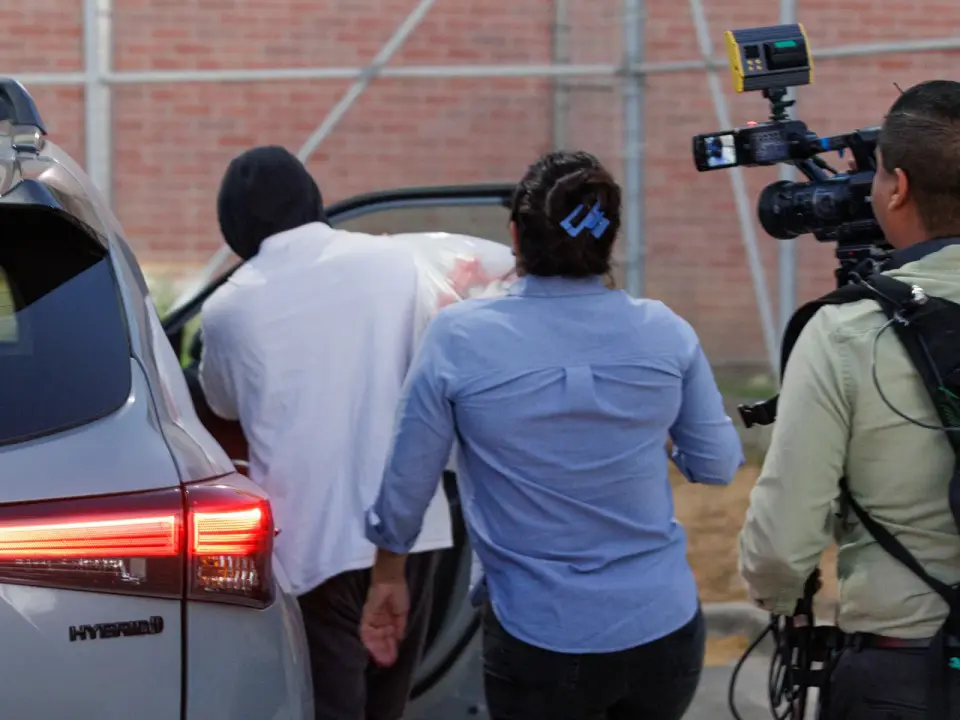
Christian Castro, a 52-year former ICE agent charged with shooting a Venezuelan man during a January 2026 immigration raid in Minneapolis, was released from a Texas jail on August 27. His release followed a federal judge’s refusal to order his immediate transfer to Minnesota, where he faces four felony assault counts and a charge of falsely reporting a crime. Texas Governor Greg Abbott declined to sign the extradition warrant, citing an ongoing state investigation into Castro’s status as a fugitive. Minnesota Attorney General Keith Ellison called the move a 'sanctuary' for violent criminals, while the judge ruled that Texas law requires release after 90 days of detention without a signed warrant.
Key points
- Castro was released at 7 a.m. on August 27 from the Carrizales-Rucker Cameron County Detention Center near Brownsville, Texas, after his 90-day detention limit expired without a signed extradition warrant.
- U.S. District Judge Fernando Rodriguez Jr. ruled on August 26 that Abbott had not formally refused extradition, only delayed a decision, and that federal law does not mandate a specific timeline for governors to sign such warrants.
- Castro faces charges related to the January 14 shooting of Julio Cesar Sosa-Celis, a 24-year-old Venezuelan man, whom prosecutors say was hit in the leg through a closed front door during Operation Metro Surge.
- Minnesota authorities claim Castro is a flight risk, citing jail phone calls to a woman in Mexico where he discussed marriage and buying a house, though the judge noted this did not create a 'ripe' legal issue for intervention.
- Texas Governor Greg Abbott, a Republican ally of President Trump, argued Castro was reassigned to Texas by the Department of Homeland Security rather than fleeing, and cited ongoing investigations into Minnesota social service fraud as a reason for delay.
Background
This case stems from the 'Operation Metro Surge,' a large-scale federal immigration enforcement deployment in Minnesota beginning in December 2025. The operation, which lasted less than three months, resulted in the deaths of two U.S. citizens and sparked widespread protests. Minnesota officials, including Governor Tim Walz, have condemned the armed ICE patrols, while the Trump administration justified the surge by citing alleged fraud in state social service programs. The dispute over Castro’s extradition highlights the deepening political divide between Republican-led Texas and Democratic-led Minnesota over federal immigration enforcement and state sovereignty.
How outlets are covering it
Outlets emphasize different aspects of the legal and political conflict. Al Jazeera and The Washington Post focus on the procedural outcome: the judge’s refusal to intervene and the subsequent release under Texas law. CNN and Reuters highlight the political tension, noting Abbott’s refusal to sign the warrant and Ellison’s accusation that Texas is becoming a 'sanctuary state.' While all sources agree on the timeline and the judge’s 13-page ruling, Reuters and Al Jazeera provide more detail on Abbott’s legal argument that Castro was not a 'fugitive' because he was reassigned by DHS, a point Minnesota authorities dismissed as immaterial to the constitutional requirement for extradition.
Why it matters
The release of Castro sets a precedent for how states may resist federal or out-of-state extradition requests during high-profile immigration enforcement operations. It underscores the jurisdictional friction between the Trump administration’s deportation priorities and state-level legal challenges, potentially influencing future conflicts over the treatment of federal agents accused of misconduct during immigration raids. The case also raises questions about the enforceability of federal warrants when state governors invoke political or investigative delays.
What to watch
Minnesota Attorney General Keith Ellison has indicated that legal proceedings will continue, though he has not specified the next steps. Minnesota authorities are monitoring Castro’s whereabouts, warning he may flee to Mexico. The case may return to court if Minnesota pursues further litigation to compel extradition or if new evidence emerges regarding the shooting. The outcome could also influence how other states handle extradition requests related to federal immigration enforcement actions.
- Ex-ICE agent charged over shooting is freed by Texas authorities Al Jazeera
- ICE agent accused of shooting Venezuelan immigrant and covering it up is released from Texas jail CNN
- ICE Agent Freed From Texas Jail in Defiance of Minnesota Extradition Request U.S. News & World Report
- Texas releases ICE agent charged in Minneapolis shooting The Washington Post
- Judge Sides With Texas Over Minnesota on Extradition of ICE Agent The New York Times
Want the full story? Read the original reporting
Read on Al Jazeera