
PEN America Report: US Public Libraries Face Existential Censorship Crisis
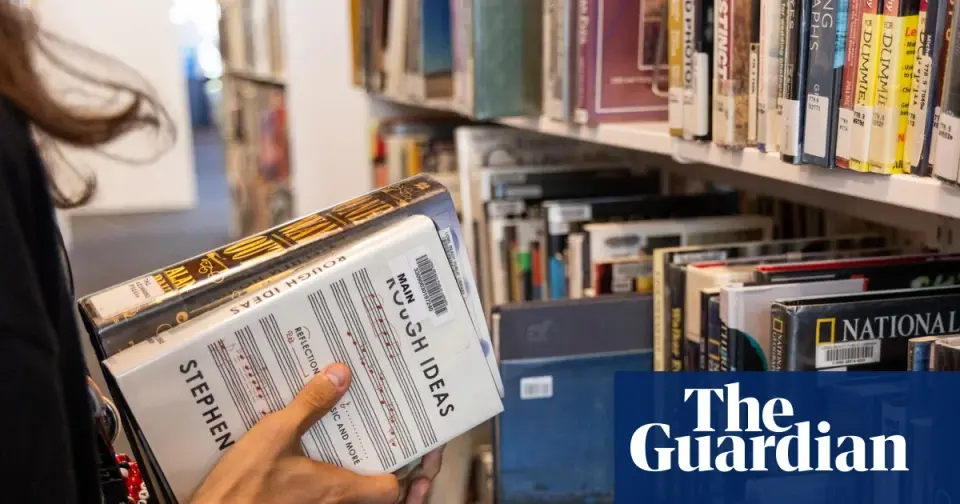
A new PEN America report titled 'Out of Circulation' asserts that US public libraries are at a 'breaking point' due to escalating political interference, harassment, and ideological censorship. The 16-page study documents nearly 23,000 book bans in school libraries since 2021, noting that 51% of all ban attempts now target public libraries. Key issues include the removal of LGBTQ+ literature, attacks on drag story hours, and legislative moves to strip libraries of independent governance. While PEN America highlights the erosion of democratic institutions, a local library director in New Jersey argues that libraries remain vital mirrors and windows for diverse communities, emphasizing the importance of self-governing societies in bridging differences.
Key points
- PEN America's 'Out of Circulation' report identifies public libraries as primary censorship battlegrounds, facing political pressure to restrict access to ideas and literature.
- The American Library Association reports that 51% of documented book ban attempts now occur in public libraries, with 14 of the top 15 challenged books addressing sexual orientation or gender identity.
- Legislative changes in Idaho and Alabama have shifted power from elected library boards to city councils, allowing officials to hire and fire directors without cause.
- Incidents of harassment include bomb threats against drag story hours in Pennsylvania and Massachusetts, and physical assaults on librarians in Nevada.
- In Llano County, Texas, librarian Suzette Baker was fired for refusing to remove books, including children's titles and works on race, despite a later court ruling against content-based bans.
- Conservative group Moms for Liberty lost seats in Florida primary elections in October 2026, signaling a potential backlash against censorship efforts.
Background
This development follows a broader trend of 'Ed Scare' censorship in US schools since 2021, which PEN America notes has snowballed into attacks on public institutions. Previous coverage in our archive focused on geopolitical 'breaking points' in the West Bank and Iran, highlighting how the term is used to describe critical thresholds in various conflicts, whereas this report applies it to the state of American civil liberties and public infrastructure.
How outlets are covering it
PEN America and The Guardian emphasize the severity of the crisis, describing libraries as 'censorship battlegrounds' where political actors are dismantling independent governance and targeting marginalized voices. They highlight the physical and legal threats facing librarians who resist censorship. In contrast, Peter Bromberg, Director of the Somerset County Library System in New Jersey, offers a more optimistic perspective in an opinion piece for the New Jersey Hills Media Group. He argues that libraries serve as 'mirrors and windows' for society, allowing individuals to see themselves and understand others. Bromberg contends that while some materials may be objectionable, libraries must remain open to all, and that self-governing societies require the ability to bridge differences through access to diverse ideas, rather than restricting them.
Why it matters
The integrity of public libraries is central to democratic participation, as they provide free access to information and ideas for all socioeconomic groups. If these institutions are compromised by political interference, it undermines the informed citizenry necessary for a functioning democracy. The shift from school-based censorship to public library attacks indicates a broader strategy to control public discourse and exclude certain identities from the national narrative.
What to watch
Communities are expected to continue organizing to protect library funding and resist politically motivated decision-makers. Legal challenges may continue as courts interpret the First Amendment rights of public libraries versus government speech. The outcome of local elections in states like Florida will likely determine the future of censorship policies in public institutions.
- US public libraries at ‘breaking point’ amid ideological attacks, report finds The Guardian
- Public Libraries Are Suffering As Political Attacks And Censorship Rise, Report Says Forbes
- 'Liberty for all:' Public Libraries and the Promise of America New Jersey Hills Media Group
- Out of Circulation PEN America
- Report: Public Libraries Face 'Existential Threat,' Putting Books, Information and People at Risk PEN America
Want the full story? Read the original reporting
Read on The Guardian