
DOJ Civil Rights Chief Harmeet Dhillon Targets Elite Universities in Broad Anti-Left Campaign
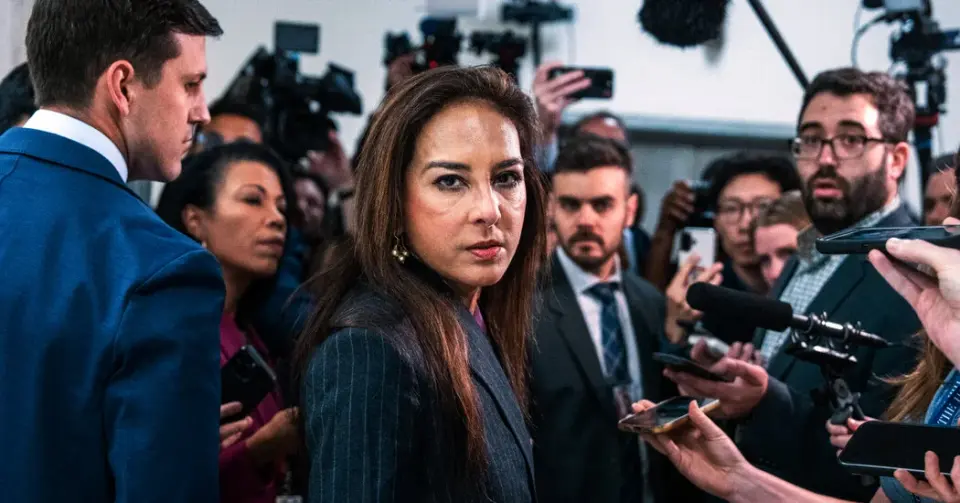
Harmeet Dhillon, head of the Justice Department’s Civil Rights Division, is leading a high-profile campaign against elite universities, including Harvard, over diversity and antisemitism policies. She has secured agreements and personnel changes from 100 institutions and is pressuring states to release confidential voter data. This aggressive stance has created friction with colleagues and the left, repurposing a unit originally created to address Jim Crow into a tool for conservative policy enforcement.
Key points
- Dhillon has targeted 100 universities, securing agreements and personnel changes related to diversity and antisemitism policies.
- She is pressuring states to turn over confidential voter data as part of her broader enforcement strategy.
- The campaign has caused internal friction within the Justice Department and opposition from left-leaning groups.
- Dhillon views liberal academia as an entrenched establishment that needs conservative reform, a stance she has held since her time at Dartmouth College.
Background
This campaign follows a recent federal court dismissal of a DOJ lawsuit against Harvard, where a judge found no ongoing Title VI violations related to antisemitism, citing isolated incidents from 2023-24. The current push by Dhillon represents a shift from litigation to direct administrative pressure on higher education institutions.
Why it matters
The actions of the DOJ Civil Rights Division under Dhillon signal a significant shift in federal enforcement priorities, moving from traditional civil rights protections to a direct confrontation with higher education institutions and left-leaning policy frameworks. This could set precedents for how federal agencies interact with universities and state governments in the coming years.
What to watch
Expect continued pressure on universities to comply with DOJ demands regarding diversity and antisemitism policies. There may also be legal challenges from states resisting the release of confidential voter data, and potential internal disputes within the Justice Department over the direction of the Civil Rights Division.
Want the full story? Read the original reporting
Read on The New York Times