
ICE Agent Frees After Texas Extradition Block, Federal Charges Dropped
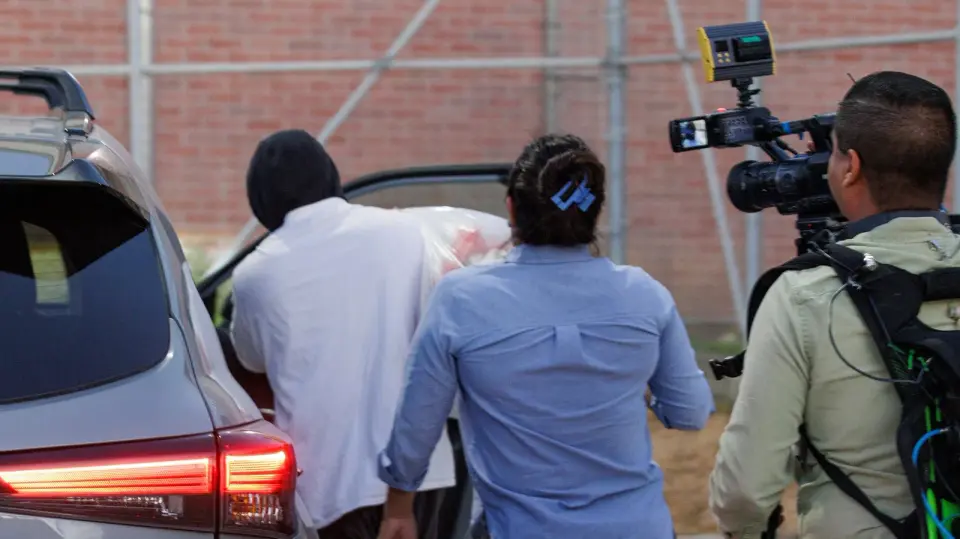
ICE agent Christian Castro was released from a Texas jail on August 27 after federal prosecutors declined to file civil rights charges for a January shooting in Minneapolis. Texas Governor Greg Abbott refused to extradite Castro to Minnesota, where he faces state assault charges. DHS suspended Castro without pay, but he remains free and potentially at risk of fleeing to Mexico.
Key points
- Federal prosecutors in Minnesota decided not to indict Castro for deprivation of rights, despite preparing charges just days before his release.
- Castro shot Julio Sosa-Celis in the leg through a closed door on January 14 during a car chase; city video later disproved Castro’s claim that victims attacked him with a shovel.
- Texas Governor Greg Abbott refused to sign the extradition warrant, citing concerns about Minnesota’s credibility, while a federal judge ruled the court could not force Abbott to act.
- Castro was released from Cameron County jail after Texas’s 90-day detention limit expired; DHS suspended him without pay but did not impose travel restrictions.
- Minnesota Attorney General Keith Ellison vowed to pursue justice, warning that Castro may flee to Mexico, where he has a romantic partner.
Background
This incident follows a pattern of ICE accountability disputes during the Trump administration’s immigration crackdown. Earlier in 2026, another ICE agent, Gregory Donald Morgan Jr., surrendered to Minneapolis authorities after being charged for violence during a similar operation. The current case highlights growing tensions between Democratic-led states seeking accountability and Republican-led states providing sanctuary for federal agents.
How outlets are covering it
MPR News and The New York Times emphasize the failure of federal prosecutors to hold Castro accountable, noting that the same office that previously charged Sosa-Celis based on false statements now declined to indict Castro. MS NOW focuses on the constitutional and legal implications of Abbott’s refusal to extradite, arguing it sets a precedent for shielding ICE agents from state prosecution. 5 EYEWITNESS News highlights the procedural aspects, noting that the Texas sheriff followed state law by releasing Castro after the 90-day limit, while DHS confirmed the suspension but did not address potential federal charges for lying under oath.
Why it matters
The case underscores the limits of state and federal mechanisms to hold ICE agents accountable for violence committed during immigration operations. It reveals a potential loophole where agents can be transferred to Republican-led states to avoid extradition, raising concerns about impunity for federal agents in Democratic-led jurisdictions.
What to watch
Minnesota officials are considering further legal actions to compel Castro’s return or prosecution. DHS is investigating whether Castro lied under oath, but no federal charges have been filed. There is concern that Castro may flee to Mexico, complicating any future legal proceedings.
- Feds decline to charge ICE agent in Minneapolis shooting of Julio Sosa-Celis MPR News
- Opinion | Greg Abbott is blocking Minnesota from holding an indicted ICE agent accountable MS NOW
- An ICE Shooting, an Extradition Showdown and the Federal Case That Stalled The New York Times
- DHS suspends Christian Castro after Texas release, sheriff says jail followed the law 5 EYEWITNESS NEWS
- How states’ fight over an ICE agent could open a new political battleground The Washington Post
Want the full story? Read the original reporting
Read on MPR News