
ICE body camera rollout faces transparency hurdles under new 'best interests' release policy
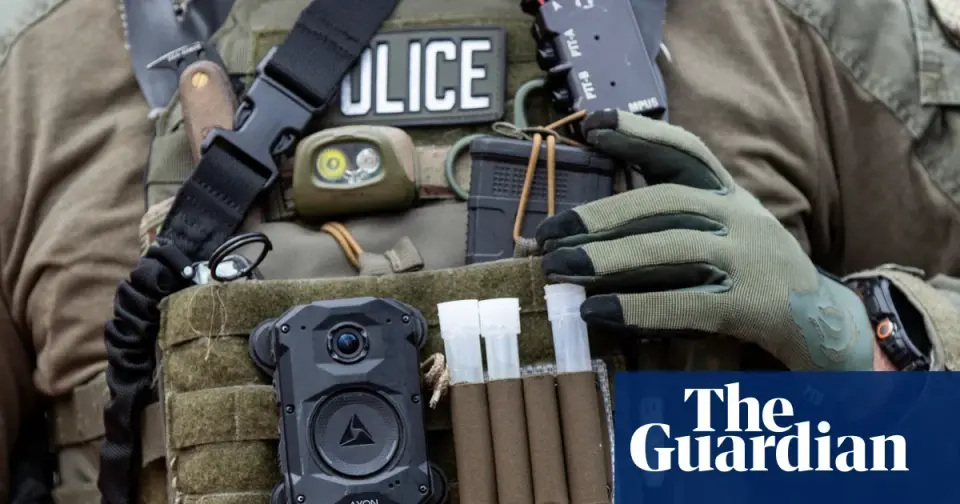
ICE is set to equip all field officers with body cameras by late August or September, following a delayed rollout hindered by government shutdowns. However, a new policy allows the agency to withhold footage from the public unless its release serves the agency's 'best interests,' drawing criticism from transparency advocates and experts who argue this undermines accountability.
Key points
- ICE expects all field officers to be equipped with body cameras by the end of August or September, depending on the source.
- The rollout was delayed by a partial government shutdown and funding issues, with Congress allocating $20 million to DHS in April.
- A policy established in February 2025 requires officers to activate cameras during enforcement activities, including arrests and warrant executions.
- The policy allows ICE leadership to withhold or indefinitely delay the release of footage if 'specific and compelling circumstances' justify it, or if release is not in the agency's 'best interests.'
- Critics, including the Freedom of Information Foundation of Texas and sociology professor Christopher Schneider, argue this standard prioritizes agency image over public transparency and accountability.
Background
This development follows a series of fatal shootings involving ICE officers who were not wearing body cameras, including incidents in Houston, Maine, and Minneapolis earlier in 2026. Previous coverage highlighted stalled rollout efforts and public outcry over the lack of video evidence in high-profile cases. The current policy aims to address these concerns but introduces new discretion over public access to footage.
How outlets are covering it
The Guardian and AP News emphasize the discretionary nature of the release policy, highlighting concerns that the 'best interests' standard may limit public access to footage of serious incidents. NBC News focuses on the accelerated timeline for the rollout, noting that all officers will be equipped by the end of August. KSAT provides additional context on the funding delays and includes statements from ICE and the Freedom of Information Foundation of Texas, which criticizes the policy as a tool to foreclose transparency. Experts like Christopher Schneider argue that the policy turns body cameras into tools for image management rather than accountability.
Why it matters
The body camera rollout and its associated release policy are significant for public accountability and transparency in immigration enforcement. The ability of ICE to withhold footage could limit public scrutiny of agency actions, particularly in cases involving use of force or serious injuries. This raises broader questions about the balance between agency discretion and public access to information in law enforcement.
What to watch
ICE is expected to complete the rollout of body cameras to all field offices by the end of August or September. The agency will continue to apply the 'best interests' policy for releasing footage, which may lead to further debates and potential legal challenges over transparency and public access to information.
- ICE will not reveal body-camera footage unless in agency’s ‘best interests’ The Guardian
- All ICE officers will have body cameras by end of August, director says NBC News
- ICE will release body camera video only when seen in the agency’s ‘best interests,’ policy says AP News
- ICE body camera releases must be in agency’s ‘best interests’: Policy The Hill
- ICE to require body cameras, policy says footage will be released in agency’s ‘best interest’ KSAT
Want the full story? Read the original reporting
Read on The Guardian