
ICE Commits to Full Body Camera Deployment by August, Defends Discretionary Footage Release Policy
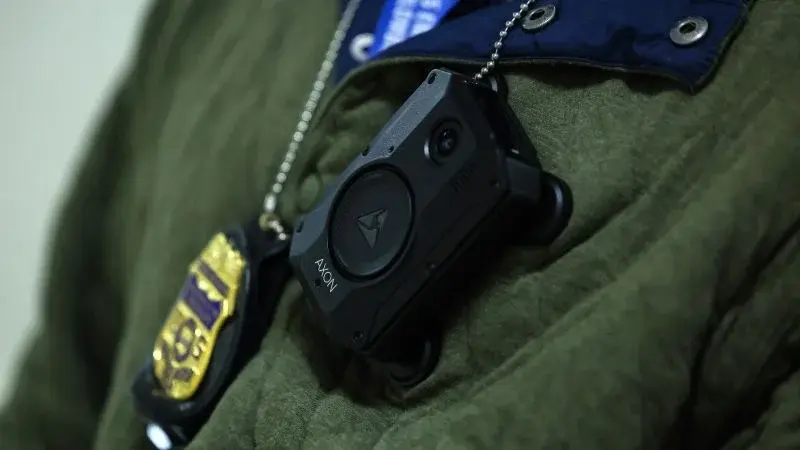
US Immigration and Customs Enforcement (ICE) announced that it expects to equip every field officer with body-worn cameras by the end of August 2026. This rapid expansion aims to create a visual record of immigration enforcement operations. However, the agency’s policy allows leadership to withhold or delay footage release, particularly after serious injuries or deaths, if deemed necessary to protect investigations or privacy. Acting Director David J. Venturella defended these restrictions, stating they align with federal law and other agencies' practices. The announcement follows scrutiny over recent fatal shootings by ICE officers, including incidents in Maine and Houston where no body camera footage was available. Critics argue the policy permits selective transparency, while ICE maintains it is committed to accountability.
Key points
- ICE expects all field officers to have body cameras by the end of August 2026.
- A policy provision allows ICE leadership to withhold or delay footage release after serious incidents if it serves the agency's 'best interests.'
- Acting Director David J. Venturella stated the restrictions protect investigations and privacy, consistent with other federal agencies.
- The policy was criticized by the Associated Press for potentially limiting public access to footage of deadly encounters.
- Recent fatal shootings by ICE officers in Maine and Houston occurred without body camera footage, heightening scrutiny.
Background
This development follows a series of fatal shootings by ICE officers in 2026, including the July shooting of a 25-year-old motorist in Maine by an officer with a history of violent behavior, and a prior incident in Houston. These events prompted a temporary pause in traffic stops by the Trump administration, which was later reversed. Previous coverage in August 2026 highlighted concerns that ICE’s body camera policy allowed the agency to withhold footage based on its own discretion, raising questions about transparency and accountability in immigration enforcement.
Why it matters
The rollout of body cameras is a critical step toward transparency and accountability in federal immigration enforcement, especially after high-profile fatal incidents. However, the discretionary nature of footage release raises concerns about whether the public will have access to critical evidence. This policy could influence public trust in ICE and the broader immigration enforcement process, potentially impacting future legislative and public oversight efforts.
What to watch
ICE is expected to complete the body camera rollout by the end of August 2026. The agency will likely face continued scrutiny over its footage release policies, particularly in cases involving serious injuries or deaths. Public and legislative pressure may increase if footage is withheld or delayed in high-profile cases. The outcome of ongoing investigations into recent fatal shootings may also influence future policy decisions and public perception of ICE's accountability.
Want the full story? Read the original reporting
Read on CNN