
Federal Judge Rejects Tribal Challenge to Border Wall Construction on Reservation
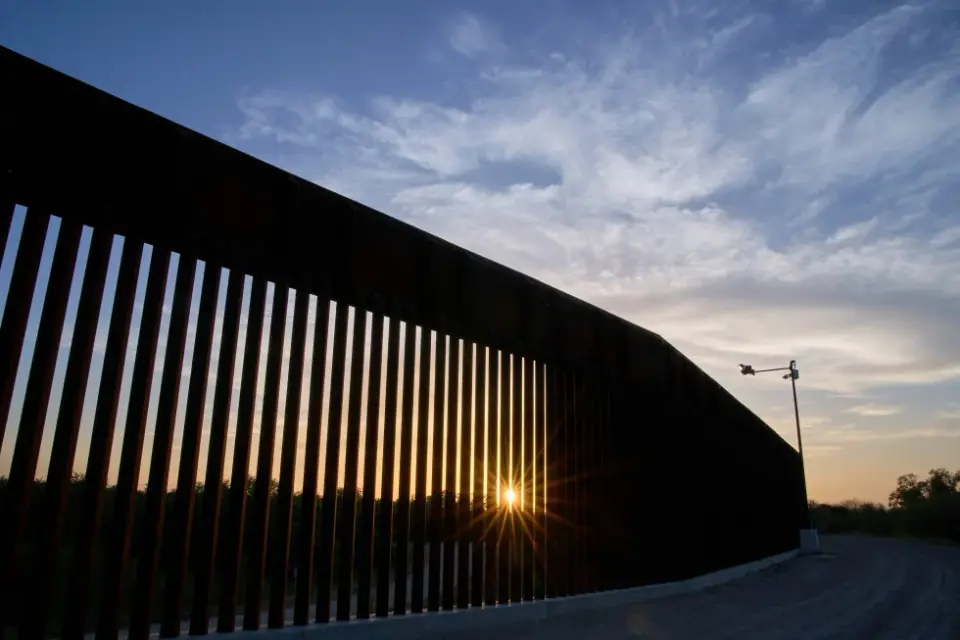
A federal judge has permitted the Trump administration to proceed with constructing a border wall along tribal reservation land, rejecting legal challenges from the tribe. The decision follows a pattern of recent judicial rulings that have allowed the Department of Homeland Security to bypass environmental and regulatory hurdles to accelerate border infrastructure projects. While the specific details of the ruling are not fully detailed in the provided text, it aligns with broader administrative efforts to expand physical barriers along the U.S.-Mexico border, often prioritizing construction speed over environmental or indigenous rights concerns.
Key points
- A federal judge ruled in favor of the Trump administration, allowing the construction of a border wall along tribal land.
- The decision was made by Judge Richard J. Leon, as indicated by the tags in the source metadata.
- This ruling is part of a series of recent legal victories for the administration in border wall disputes, including a previous case in Texas involving flood concerns.
- The administration has been utilizing waivers to expedite construction and bypass environmental regulations, as noted in previous coverage of the Presidio, Texas case.
Background
This ruling follows a series of recent legal and executive actions regarding border infrastructure and land use. In August 2026, a judge previously allowed the Department of Homeland Security to build a wall through a levee system in Presidio, Texas, rejecting flood-related challenges and affirming the administration's authority to waive environmental rules. Earlier in July 2026, President Trump signed orders to shrink national monuments in Utah, potentially opening tribal lands to energy exploration. These actions suggest a broader strategy to accelerate border construction and resource development, often facing legal opposition from local communities and tribal groups.
Why it matters
The ruling highlights the ongoing tension between federal border security priorities and the rights of indigenous communities and environmental protections. By allowing construction on tribal land, the decision sets a precedent that may influence future disputes over border infrastructure. It also reflects the administration's aggressive approach to using legal and regulatory waivers to expedite projects, which could have long-term implications for tribal sovereignty and environmental law in border regions.
What to watch
The tribe may appeal the decision to a higher court, potentially leading to further legal battles. Construction of the wall is likely to proceed as permitted by the judge. The administration may continue to use similar legal strategies to expedite other border projects, facing potential opposition from environmental groups and tribal communities. The outcome of this case could influence how future border wall disputes are handled in federal courts.
Want the full story? Read the original reporting
Read on AP News