
Army Secretary Driscoll Resigns Amid Hegseth’s Purge, Leaving Pentagon in Turmoil
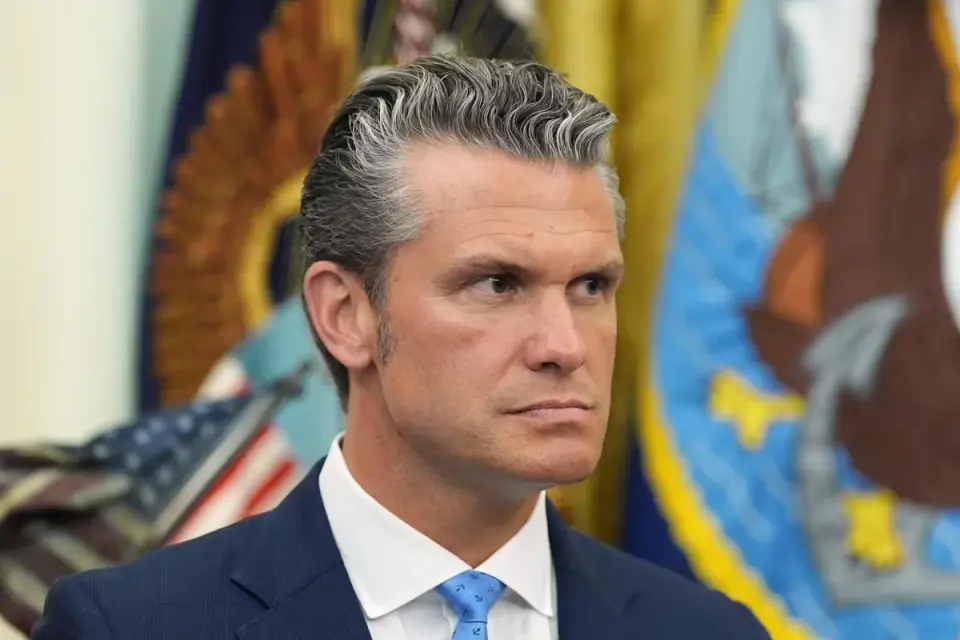
Army Secretary Dan Driscoll resigned last week after months of friction with Defense Secretary Pete Hegseth. Sources indicate Driscoll warned the White House about Hegseth’s indiscriminate firing of senior military officers and his blocking of vetted promotions. Trump was reportedly surprised by the scale of the departures, while Hegseth’s office maintains the purge is necessary for modernization. Driscoll’s exit leaves a leadership void in the Army during a critical period of the Iran conflict.
Key points
- Dan Driscoll, who served as Army Secretary for 18 months, submitted his resignation last week.
- Driscoll frequently warned White House officials, including Chief of Staff Susie Wiles, about Hegseth’s removal of experienced officers without explanation.
- Hegseth has fired or sidelined more than two dozen senior military officers, according to ABC News.
- Driscoll told President Trump that the chaotic removals were shrinking the pool of officers available for future senior commands.
- Pentagon spokesperson Sean Parnell is viewed as a potential replacement for Driscoll, though he faces confirmation hurdles due to past personal allegations.
- Former Air Force Secretary Frank Kendall criticized the military’s silence on these actions, calling it a risk to democracy.
Background
This resignation follows a series of controversies involving Defense Secretary Pete Hegseth, including allegations of civilian casualty cover-ups in Yemen and requests for additional funding for the Iran war. Hegseth has also been linked to potential 2028 presidential ambitions, creating tensions within the GOP. The current leadership vacuum in the Army comes at a time of heightened military demands due to the ongoing conflict with Iran.
How outlets are covering it
The Independent and CNN frame the resignation as a result of internal chaos and a strained relationship between Driscoll and Hegseth. ABC News emphasizes the specific warnings Driscoll gave to the White House regarding the indiscriminate nature of the firings and the blocking of promotions. While the White House and Pentagon defend Hegseth’s actions as necessary for modernization and effective leadership, critics like former Air Force Secretary Frank Kendall argue that the military’s silence on these issues is dangerous. Driscoll’s background in venture capital and his bipartisan support on Capitol Hill contrast with Hegseth’s more combative approach, highlighting the internal divisions within the defense department.
Why it matters
The departure of a key figure like Driscoll signals deep instability within the Pentagon’s leadership. It raises concerns about the readiness and morale of the U.S. military, particularly during an active conflict with Iran. The lack of transparency and the indiscriminate nature of the firings could undermine the military’s ability to plan for future operations and maintain a pipeline of experienced leaders.
What to watch
The White House is expected to announce a replacement for Driscoll, with Sean Parnell being a likely candidate despite potential confirmation challenges. The ongoing conflict with Iran and the need for additional funding will likely remain central issues for the Pentagon. The military’s response to the purge and the broader implications for U.S. defense policy will be closely watched by lawmakers and the public.
- The chaos inside Hegseth’s defense department as Trump ‘concerned’ by scale of purge The Independent
- Driscoll offers no reason for his exit as Army secretary but says Wednesday is his last full day apnews.com
- Army secretary frequently warned White House about Hegseth before his departure: Sources ABC News - Breaking News, Latest News and Videos
- Army Secretary Dan Driscoll submits resignation after tension with Hegseth CNN
Want the full story? Read the original reporting
Read on The Independent